Best Knife for Cutting Herbs: Chef’s Knife or Herb Chopper?
Which knife is best for cutting herbs? That's a question home cooks ask constantly, and the answer never feels as simple as it should. The truth is, a lot of it comes down to technique and sharpness rather than some magical blade geometry.
Our research into culinary training programs and manufacturer specifications shows that most professionals reach for an 8-inch chef's knife with a Rockwell hardness around 58 and an edge angle between 15 and 20 degrees. As of 2026, that combination remains the gold standard for herb prep, from chiffonading basil to mincing thyme. But the right knife for you also depends on your hand size, your cutting style, and how much volume you actually process.
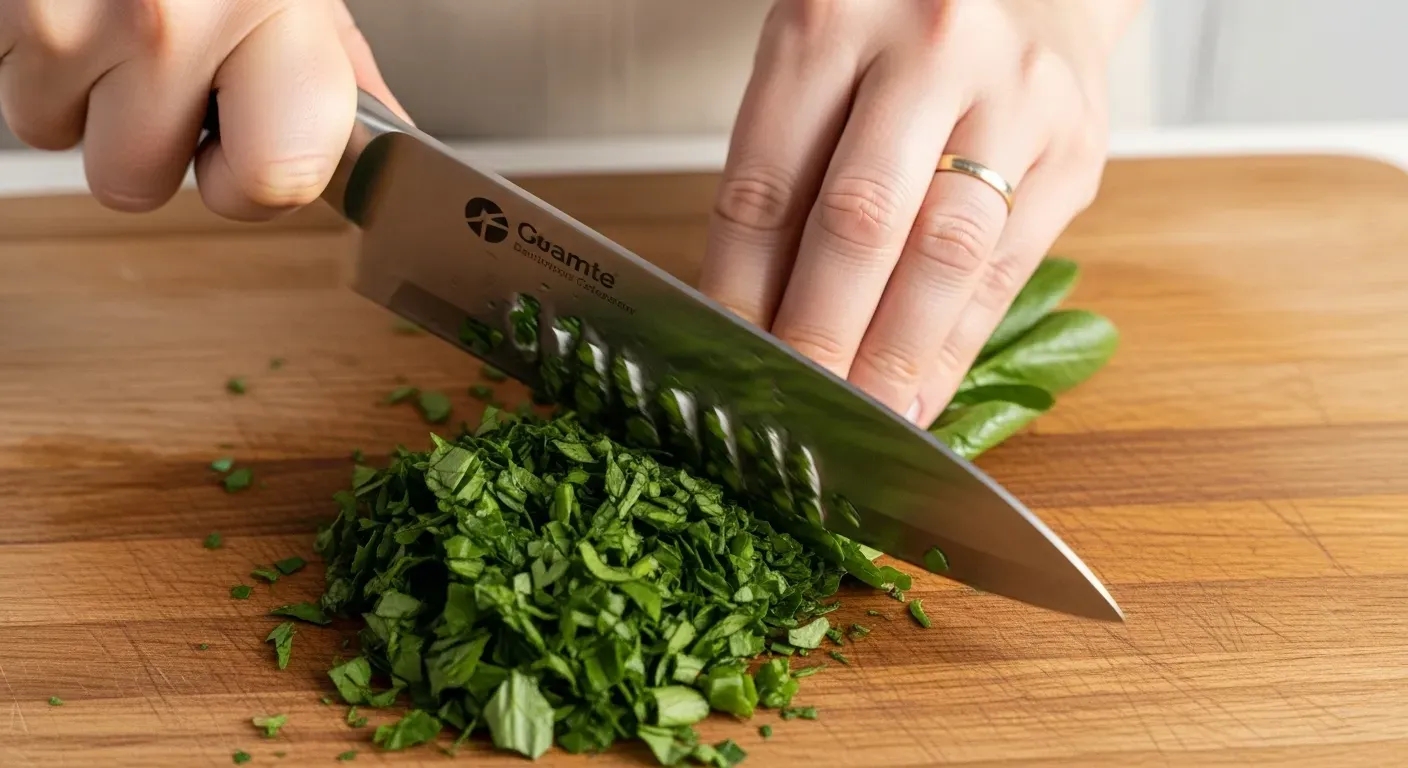
Image source: Bing (Web (fair-use with source credit))
Quick Answer
The best knife for cutting herbs is an 8-inch chef's knife. It gives you enough blade length and a gentle belly for rocking. A sharp edge prevents bruised leaves.
It also works for both fine mincing and big batch prep.
Why Your Knife Choice Actually Changes the Flavor
A knife's job is to slice cleanly through cell walls. A dull blade crushes them instead. That doesn't just change texture; it changes flavor.
Fresh herbs carry aromatic compounds in delicate oils. When you bruise the leaves, those oils oxidize faster and lose their brightness.
Clean cuts keep the structure intact and release less moisture. That's why chiffonaded basil smells brighter than chopped basil that sits on a damp board. It also affects how long herbs last before turning limp and brown.
There's a physical side to consider too. The blade shape determines how much of the leaf hits the board when you chop. A curved chef's knife lets you rock the tip while the heel stays grounded.
That's efficient for large batches. A flat blade like a Nakiri pushes straight down, giving you clean strips but no rocking motion. Neither approach is wrong.
They just produce slightly different results.
The USDA's food safety guidance also stresses rinsing herbs before cutting, then patting them fully dry. Wet leaves slip around, and a knife that battles dampness bruises far more cells.
The Short Answer: What Most Home Cooks Should Reach For
Let's simplify things. For the vast majority of home cooks, an 8-inch chef's knife is the best place to start. It handles soft herbs, woody herbs, and everything in between.
The curved belly and the weight make the rocking motion easy to learn, and it stays versatile for all your other kitchen prep.
If you have smaller hands or prefer a lighter feel, a 5 to 7-inch santoku is a close second. Its flatter edge and thinner blade reduce drag, and many cooks find it more nimble. The tradeoff is reach.
You'll need a few extra strokes to chop the same amount of parsley. Neither choice requires a huge investment. Entry-level chef's knives from reputable brands cost between $35 and $60 and hold an edge well with routine honing.
What about the specialized tools? We'll get to those in a moment. The short answer is: start with a chef's knife, master the rocking motion, then decide if a specialist earns a spot in your drawer.
The Contenders: A Friendly Breakdown of Each Option
Chef's Knife — The All-Purpose Workhorse
The 8-inch chef's knife is the default for a reason. It has a curved belly that lets you rock the blade back and forth, which speeds up chopping. Blade profiles vary between German and Japanese styles, but they all share that wide blade and pointed tip.
It's not the best at any single task, but it's great at almost everything, including herbs.
The main drawback is blade width. Soft leaves can stick to the flat side if your knife has a smooth face. A hollow or granton edge helps with that.
Other than that, this is the safest recommendation for anyone who wants one knife that does it all.
Santoku — The Lighter, Flatter Sibling
The santoku offers a flatter edge and a shorter overall length, usually 5 to 7 inches. It's lighter and thinner behind the edge, which means cleaner cuts through delicate leaves. The flat profile also encourages a push-cut motion: straight down, then slightly forward.
Many cooks find that approach more precise for herbs.
The tradeoff is less surface area for scooping and a restricted rocking range. If you're doing large batches of parsley every day, the santoku will feel slower. For small garnishes and everyday dinner prep, it's a joy.
Nakiri — The Vegetable-Specialist
A Nakiri is a Japanese vegetable knife with a rectangular blade and a completely flat edge. It's designed for exactly the kind of straight-down cutting that soft herbs love. The thin blade glides through basil and cilantro without crushing them.
It's genuinely satisfying to use when you want consistent strips.
But the flat edge makes it awkward to rock-chop large piles. It's also a specialist tool. Unless you do a lot of vegetable prep, it can feel limiting as your single knife.
Mezzaluna — The Two-Handled Rocker
The mezzaluna is a curved blade with a handle on each end. You grip both handles and rock it across a pile of herbs. It's brilliant for big bunches of parsley or thyme, covering a wide area with each pass.
For high-volume herb prep, nothing cuts faster.
The drawbacks are real, though. It takes up a whole drawer, requires practice to control, and is essentially a single-purpose tool. Most home cooks don't need one until they're processing basil by the pound.
Paring Knife & Herb Scissors — The Specialists
A paring knife is perfect for snipping individual leaves or working with tiny bunches. You sacrifice speed, but the control is unmatched. It's also the easiest knife to keep razor sharp because there's less blade to maintain.
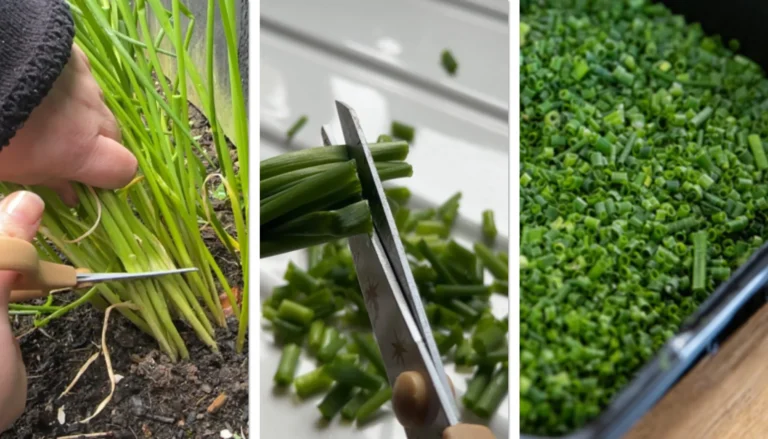
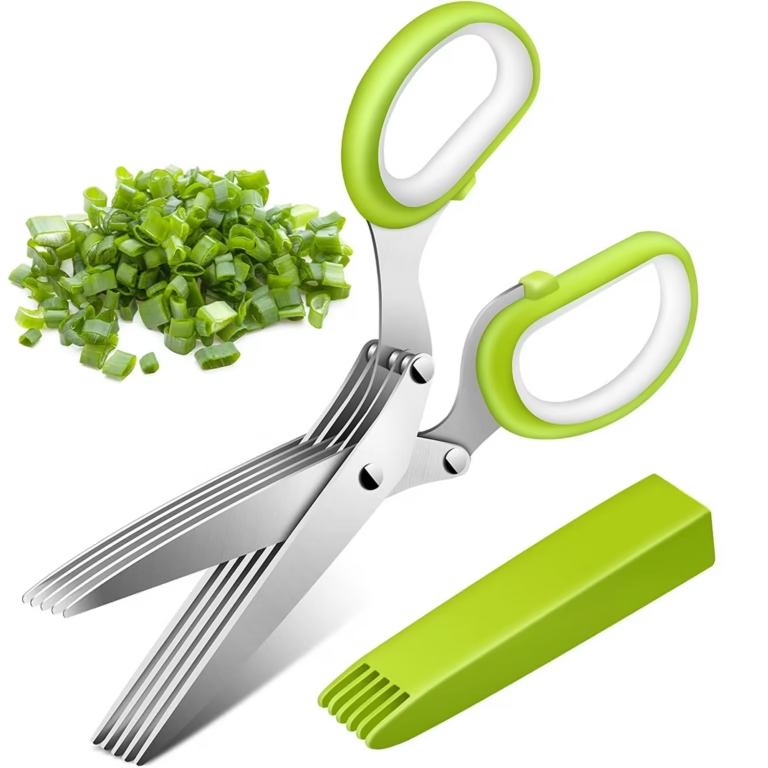
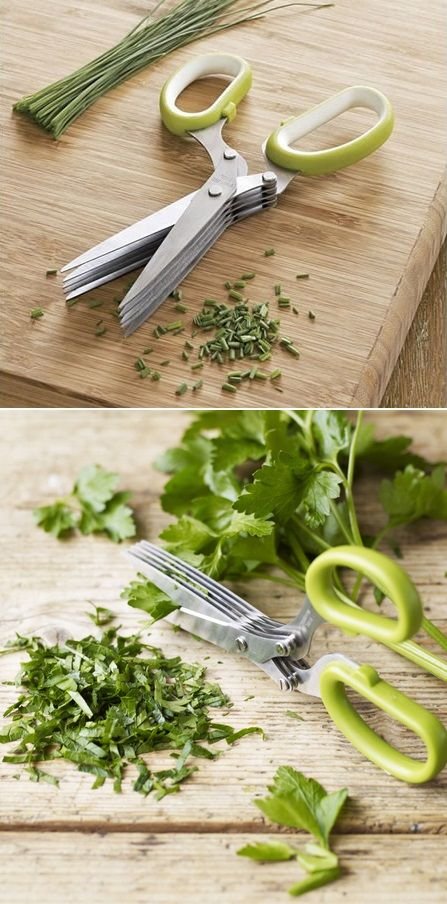
Herb scissors sit on the opposite end of the spectrum. They work brilliantly for chives and soft leaves where you want a quick snip without pulling out a cutting board. Multi-blade versions chop a whole bundle of chives in seconds.
But they're not ideal for wet basil or mint, which tends to stick between the blades. If you're on the fence, their worth the drawer space depends entirely on how often you garnish with fine herbs.
Side-by-Side Comparison: Blade Shape, Weight, and Edge Geometry
Let's lay everything out on the table. This is the part where blade shape stops being abstract and starts showing real tradeoffs.
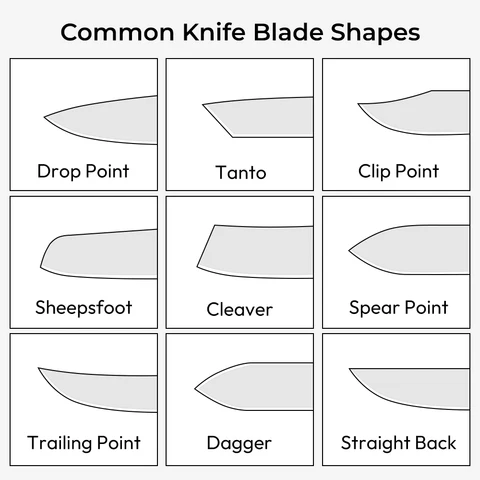
Image source: Bing (Web (fair-use with source credit))
| Knife | Blade Length | Edge Profile | Best For | Who It Suits |
|---|---|---|---|---|
| Chef's knife | 8 in / 20 cm | Curved belly | Rock-chopping large batches; all-purpose use | Most home cooks |
| Santoku | 5–7 in / 13–18 cm | Flat with slight belly | Push-cutting soft herbs; lighter control | Smaller hands, precise workers |
| Nakiri | 6.5 in / 16.5 cm | Completely flat | Uniform slices; delicate leaves | Vegetable-focused cooks |
| Mezzaluna | 10–12 in wide | Curved | Rapidly mincing big piles | Serious batch cooks |
| Paring knife | 3–4 in / 8–10 cm | Straight | Precision snipping; tiny bunches | Detail-oriented garnishing |
| Herb scissors | 4–6 snip area | N/A | Snipping chives and soft leaves | Quick-garnish households |
Edge geometry matters just as much as the silhouette. Japanese knives typically sharpen to a 15-degree edge angle. Western knives sit around 20 degrees.
A thinner edge cuts softer and cleaner, but it's also more delicate. That's why a ceramic blade can feel unbelievably crisp on basil right up until it chips on a cutting board edge.
Weight also plays into fatigue. A heavy German chef's knife around 8 ounces gives you momentum for rock-chopping. A lighter Japanese santoku around 5 ounces gives you agility for fine work.
There's no universally correct answer. There's only what feels natural in your hand.
Best Herb Prep Styles: Matching the Tool to the Task
Chiffonading Basil and Other Soft Herbs
Stack the leaves, roll them lengthwise, and slice across with a chef's knife or santoku. Keep the blade sharp and make one clean pass. Pressing too hard or sawing back and forth will crush the leaves.
A Nakiri works fine here too if you prefer a straight push cut.
Mincing Hardy Herbs Like Rosemary and Thyme
Strip the leaves from the stem, then use a rocking chop with a chef's knife. These herbs tolerate a bit more pressure, so a less-than-perfect edge does less damage. Still, sharp is better.
A mezzaluna handles this task well when you're dealing with a large pile.
Snipping Chives and Fine Garnishes
Herb scissors are the best tool here. Just bunch the chives and snip straight over the plate. No cutting board required.
If you do this several times a week, they're worth the day-to-day snipping convenience. For tiny garnish work, a paring knife works too, but it takes longer.
Large Batches vs. Small Garnishes
A big bunch of parsley for tabbouleh calls for a chef's knife or mezzaluna. A single basil leaf for a finishing touch calls for your hands or a paring knife. The mistake most people make is using the same tool for both.
When you match the blade to the volume, prep gets faster and the results look better.
If you're curious whether shears make sense for your kitchen, our guide on picking the right pair walks through the options. And if you're left-handed, there are a few extra things to check before buying, which we cover in our piece on left-handed-friendly scissors.
What Actually Matters in a Herb-Cutting Knife
Strip away the marketing and four things determine how well a knife cuts herbs: edge sharpness, blade profile, weight, and how the blade interacts with moisture.
Edge Sharpness
This is the non-negotiable. A sharp knife slices through cell walls cleanly. A dull one crushes them.
You don't need a $300 blade to get sharp results, but you do need to maintain whatever edge you have. A honing rod before each session and a whetstone every few months keeps most knives in herb-ready shape.
Blade Flatness and Belly
Curved blades rock. Flat blades push straight down. Herbs respond better to a cleaner, more direct cut, which is why Japanese-style flat profiles feel so crisp.
But rocking is faster for volume. Think of it as control versus momentum.
Weight and Balance
Heavier knives do more of the work for you. They're great for chopping through a pile of rosemary. Lighter knives offer more feedback and precision.
If you're mincing fine garnishes, lighter usually wins.
Stick Resistance
Soft leaves cling to flat steel. A hollow or granton edge creates tiny air pockets that reduce suction. You can also just wipe the blade between cuts, but if you're making pesto weekly, a textured edge genuinely helps.
The Pros and Cons of Each Knife Type
Chef's Knife
Pros: Versatile, great for rocking, handles large batches, works for everything else in the kitchen.
Cons: Wide blade causes sticking, less precise for tiny garnishes, heavier than specialists.
Santoku
Pros: Light, nimble, flatter edge gives clean cuts, easy for smaller hands.
Cons: Lacks reach for big piles, rocking motion feels restricted.
Nakiri
Pros: Ultra-flat edge, perfect clean push cuts, thin and light.
Cons: Specialized, awkward for rock-chopping, takes practice.
Mezzaluna
Pros: Extremely fast for large batches, excellent for big herb harvests.
Cons: Bulky to store, single-purpose, needs practice to control.
Paring Knife
Pros: Precise, easy to sharpen, ideal for tiny jobs.
Cons: Slow for anything more than a garnish, awkward for large leaves.
Herb Scissors
Pros: Fast for chives, no cutting board required, easy cleanup.
Cons: Wet herbs clog the blades, poor for basil or mint, less control over cut size.
Professional chefs typically avoid herb scissors entirely, and it's interesting to understand why they tend to skip them. The short version is that they value speed and precision over convenience. Like most tools, you have to weigh the tradeoff yourself.
Common Herb-Cutting Mistakes (And How to Fix Them)
Using a Dull Blade
The biggest offender. Dull blades crush cell walls, leaving soggy, bruised leaves that turn brown quickly. Fix: sharpen regularly.
If you see juice pooling on your cutting board, that's your cue.
Drying Herbs Carelessly
Wet herbs slide around. Wet herbs also stick to the blade. Always pat leaves dry between washing and cutting.
A salad spinner works well for large batches.
Choppin Instead of Slicing
Pressing down and splitting leaves with repeated strikes creates ragged edges. Slice with a smooth, continuous motion instead. Think gliding, not smashing.
Rocking Too Aggressively
Rocking too hard crushes the leaves at the heel of the blade. Keep the motion gentle and let the knife's weight do the work.
Quick Guide to Proper Herb-Cutting Technique
Getting good at cutting herbs is less about the knife and more about how you hold it. The pinch grip makes a real difference: pinch the blade between your thumb and index finger right where it meets the handle, then wrap your remaining fingers around the handle. This gives you control at the cutting edge rather than a shaky grip far away.
The Rock Chop, Explained Simply
Rest the tip of the blade on the cutting board. Use your other hand to hold the tip steady with your palm flat and knuckles curled. Lift the heel and bring it down in a rocking motion as you guide the blade through the pile.
Move the blade in a gentle arc, never lifting the tip off the board. Keep a steady rhythm and move your guiding hand backward as the pile shrinks.
How to Chiffonade Basil Without Crushing It
Stack the leaves neatly, keeping them aligned. Roll them tightly into a cigar shape. Slice across the roll with thin, confident strokes.
A sharp blade is crucial here. If you see brown edges, your knife is dull.
How to Mince Rosemary and Thyme Efficiently
Strip the leaves by pinching the stem and pulling toward you. Pile the leaves loosely, then rock-chop with a chef's knife. Woody herbs can handle more pressure, but the same principle applies: keep the edge sharp and slice, don't crush.
Keeping Your Blade in Shape for Clean Herb Cuts
Honestly, the knife you pick matters less than the sharpness you maintain. A $40 chef's knife that's properly honed beats a $200 knife that's been bludgeoning tomatoes for six months.
You need two tools: a honing rod and a whetstone. Use the honing rod before each major prep session to realign the edge. Use the whetstone every few months to restore the actual edge.
Hand-wash and dry your knife immediately after use. The dishwasher dulls blades, damages handles, and is the fastest route to a ruined edge. If you're using a santoku or Nakiri with a Japanese steel edge, skip the steel rod and use a ceramic or diamond rod instead.
What You'll Pay: Budget, Mid-Range, and Premium Options
You don't need to spend big to get clean herb cuts. The market breaks down into three clear tiers:
| Tier | Price Range | What You Get | Example Brand |
|---|---|---|---|
| Budget | $15–$50 | Decent steel, forgiving edge, entry-level performance | Victorinox |
| Mid-range | $50–$150 | Better steel, balanced weight, holds an edge longer | Wüsthof, Zwilling |
| Premium | $150–$300+ | Harder steel, thinner geometry, artisan craftsmanship | Shun, Global |
The sweet spot for most home cooks sits right in the $50 to $100 range. You get a meaningful jump in edge retention and balance without paying for exotic steel or hand-forged prestige. If you already own a decent chef's knife, spend your first upgrade money on a whetstone instead.
That will improve your herbs more than any blade swap.
The Verdict: Which Knife Should You Choose?
Here's how to decide based on how you actually cook.
The daily home cook: An 8-inch chef's knife. It's versatile, forgiving, and handles both everyday prep and herb work. Keep it sharp and you're set.
The herb garden enthusiast: A Nakiri or mezzaluna. When you're processing giant piles of basil or parsley every week, the specialized geometry saves real time. Both feel genuinely more efficient than a chef's knife for this exact job.
The garnish perfectionist: A paring knife or herb scissors. For tiny precision work and final snips, nothing beats them. Use a chef's knife for the big stuff and switch to the specialist for the detail.
The minimal kitchen cook: A santoku. It cuts herbs cleanly, handles most other prep, and takes up less space than a full-size chef's knife.
There's no single correct answer. But there's definitely a right answer for your kitchen. The one rule that applies across the board: sharp beats expensive, every time.
Frequently Asked Questions
Do I really need a special knife for herbs?
No. A sharp chef's knife handles herbs beautifully. Specialists like Nakiris, mezzalunas, and herb scissors are nice upgrades, but they're not requirements.
Master good technique with what you already own.
Is a ceramic knife good for cutting herbs?
Yes, ceramic knives are extremely sharp and slice herbs cleanly without bruising. They're also lightweight. The catch is brittleness.
Drop one or tap a cutting board edge and you'll chip the blade. Stick to wood or plastic boards and hand-wash only.
What's the best knife for cutting large amounts of basil?
A chef's knife with a sharp, straight edge or a Nakiri. Both handle rolled basil well. For very large batches, a mezzaluna is faster because it covers more surface area with each pass.
Can I use kitchen scissors instead of a knife for herbs?
Yes, especially for chives and delicate soft herbs. Herb scissors are faster for garnishing and don't require a cutting board. Just be aware that wet, sticky herbs like basil clog standard scissors quickly.
Choose a wide-blade or multi-blade pair specifically designed for herbs, and check the reviews before buying.
What Actually Matters in a Herb-Cutting Knife
Edge geometry is the first thing to check. Japanese knives sharpen to around 15 degrees, Western knives to about 20. Thinner edges slice through soft leaves with less drag.
The tradeoff is fragility, so a 15-degree edge needs a gentle hand and a wood board.
Blade profile matters just as much as steel type. A curved belly rocks, a flat edge pushes straight down. Weight changes fatigue during long prep.
A hollow edge reduces sticking on wet basil. Our research suggests that edge angle and profile matter more than brand or price for clean herb cuts.
The Pros and Cons of Each Knife Type
Every knife trades one strength for another. A chef's knife balances speed and versatility. A mezzaluna cuts wide piles quickly but takes drawer space.
Herb scissors snipe chives fast, but they clog on moist basil. A paring knife gives control, yet it's slow for volume.
Aggregate reviews describe the same pattern over and over. Cooks who prep large batches love the mezzaluna. Cooks who value precision prefer a Nakiri.
No single tool excels at everything. Pick the one that matches your most common task.
Common Herb-Cutting Mistakes (And How to Fix Them)
Dull blades crush cells and turn leaves brown. Wet herbs slide around and stick to steel. Pressing straight down instead of slicing makes ragged edges.
Rocking too aggressively bruises the leaf at the heel of the blade.
The fix is straightforward. Keep your edge sharp. Dry herbs thoroughly before cutting.
Slice with a smooth motion rather than a chop. Let the knife's weight do the work, and you'll see a visible difference in color and aroma.
Quick Guide to Proper Herb-Cutting Technique
Use a pinch grip for control. Rock the blade for large piles. Push-slice for delicate leaves.
Stack and roll basil before cutting. Strip woody herbs before mincing. These four habits cover almost everything.
For chiffonade, roll leaves into a tight cigar and slice across. For rosemary, pull the leaves from the stem and rock-chop. For chives, bunch them and snip with shears.
Match the motion to the texture and you'll get consistent results.
Keeping Your Blade in Shape for Clean Herb Cuts
Honestly, the knife itself matters less than the edge you maintain. Use a honing rod before every session. Sharpen on a whetstone every few months.
Hand-wash and dry immediately after use. The dishwasher dulls edges and damages handles faster than anything else.
A $40 chef's knife that's properly maintained will outperform a $200 blade that's been abused. Keep your edge true, and your herbs will keep their bright color and clean aroma. That's the real secret to good herb prep.
What You'll Pay: Budget, Mid-Range, and Premium Options
Price ranges are straightforward for herb-capable knives.
| Tier | Price Range | What You Get |
|---|---|---|
| Budget | $15–$50 | Good steel, softer edge, easy to sharpen |
| Mid-range | $50–$150 | Better edge retention, balanced weight |
| Premium | $150–$300+ | Harder steel, thinner geometry, finer finish |
For home cooks, $50 to $100 is the sweet spot. You get a real jump in edge quality without paying for exotic steel.
The Verdict: Which Knife Should You Choose?
The daily home cook should grab an 8-inch chef's knife. It's versatile and handles large piles of basil or parsley with ease.
The herb garden enthusiast will love a Nakiri or mezzaluna. They make quick work of big harvests. The garnish perfectionist should stick with a paring knife or herb scissors for fine details.
The minimal kitchen cook is best served by a santoku. It cuts cleanly and saves drawer space. Sharp beats expensive every time.
Frequently Asked Questions
Do I really need a special knife for herbs?
No. A sharp chef's knife handles herbs beautifully. Specialists like Nakiris and mezzalunas are nice upgrades, not requirements.
Is a ceramic knife good for cutting herbs?
Yes. Ceramic blades slice cleanly without bruising leaves. The catch is brittleness.
Chipping is common, so stick to wood or plastic boards.
Can I use kitchen scissors instead of a knife?
For chives and soft garnishes, yes. Herb scissors snip quickly and skip the cutting board. For basil or mint, a knife gives cleaner cuts.