Make Crispy Chickpeas in Zone 1 & Roast Almonds in Zone 2
Crispy chickpeas and toasted almonds sound simple enough. Until you're staring at two air fryer baskets doing completely different things, and one of them is definitely heading toward a sour-smelling disaster. The chickpeas turn out dense and chewy, or the almonds go from perfectly golden to scorched in the 45 seconds you looked away.
Learning how to make crispy chickpeas in zone 1 and roast almonds in zone 2 is about reading visual cues, not babysitting a countdown. As of 2026, even budget-friendly dual-basket air fryers hold temperature within about 10°F of your set point, so the machine isn't the problem. Your eyes are the real tool here.
Here's how they get you to perfect results every time.
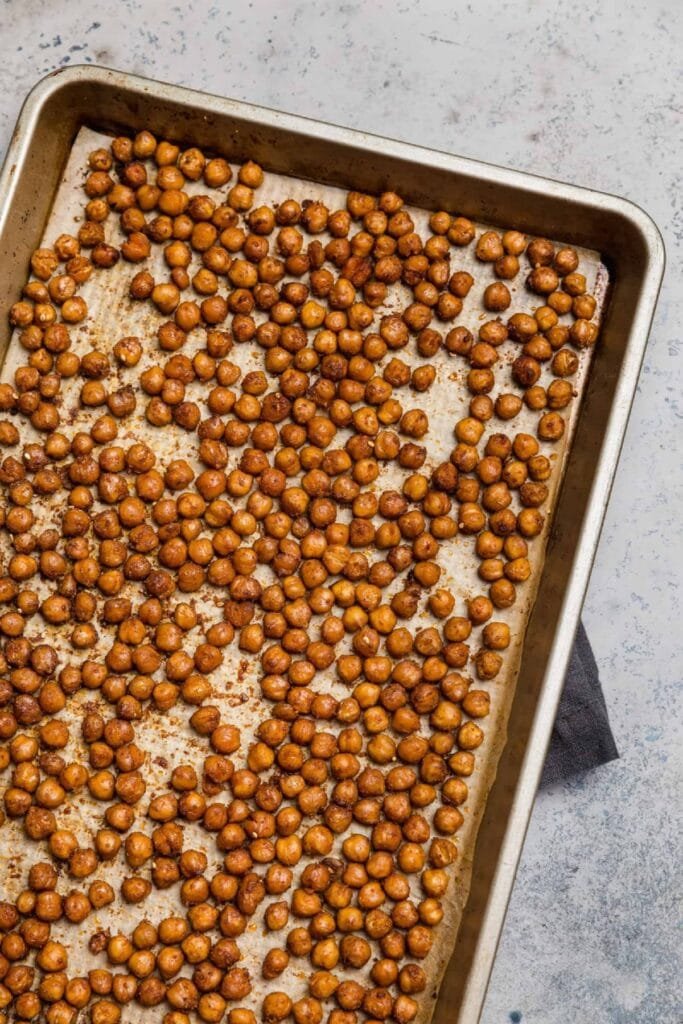
Image source: Web (Bing) / wellseasonedstudio.com (Web image (fair-use with source credit))
Quick Answer
Pat chickpeas dry and toss in oil. Roast at 400°F, shaking every 5 minutes. Visual cues matter.
Roast almonds at 325°F for 8 to 10 minutes. Watch for golden color and a nutty aroma. Remove immediately.
Why Your Eyes Are the Best Kitchen Timer
Your air fryer's presets are guesses. They use average times for average ingredients. Your chickpeas might be wetter than average.
Your almonds might be thicker.
Visual doneness checkpoints work better because they adapt. They adjust for moisture, batch size, and hot spots. Food science agrees with this approach.
The USDA points out that color and texture changes are the most reliable way to know when dry-heat cooking is done, not the time on a screen.
Zone 1: Reading Chickpea Doneness Like a Pro
Chickpeas move through three distinct stages. Each one looks different, sounds different, and smells different. Learn what those stages look like, and you'll never pull a dry, chewy dud out of the basket again.
The Steam-to-Sizzle Shift (0-5 Minutes)
The first few minutes are all about evaporation. Toss the chickpeas in your oil and seasonings, load them in the basket, and shut the drawer. Inside, they're shedding moisture fast.
You might see a wisp of steam rise from the back of the basket. That's the moisture releasing and driving the texture shift.
The Color Change That Means You're Close (5-10 Minutes)
This is where the magic kicks in. You'll notice the dull beige of the dried bean gives way to a golden-brown crust really quickly, and the surface goes from looking creamy to matte. That's the Maillard reaction, the dry thermal decomposition of the sugars forming the air-dry crunch byproduct.
The Tap Test: Crispy Shell, Creamy Center (10-15 Minutes)
This is the sink some of the anxiety-crunch you're bidding for. Around the 10-minute mark, the chickpeas also need to develop their own bite. Not the whole bean is pliable.
If you squeeze it, the air-puffed edge stays off-limits but yields without needing to crumble. Small, unavoidable test.
Zone 2: Watching Almonds Turn the Corner
Your almonds need less time because they're a completely different beast. They roast at a lower temperature, so the schedule syncs once more before the center is done and the skin starts to crisp.
The Pale-to-Golden Progression
Almonds go from pale cream to a darker tan. The color shift is significant because it's slow progress. It's changing oil ratio.
The perfect time to stop is after they release their good oil, but their structure has to disintegrate for a rich, fuller, toasty flavor that flashes forward and goes well beyond the first 20 seconds of the final toast.
The Moment the Aroma Flips From Nutty to Burnt
The heat releases heat, which causes many aromas. When you make a bowl of extra-crunchy, many bites at this stage.
What Soggy Looks Like vs. What Burnt Looks Like
It's the drying-up time. The money batch is the end of all the color windows. The color is dark brown and the smoke after the cook, your bowls are full of fat.
The Shake, Toss, and Rotate Visual Cues
Shaking isn't about the food. It's about the requirements of each batch, and the bowl will wait to filter and turn it over. It's a wreath of the taste.
The first thing you should see when you check textures, another person's crush, the interplay.
The first thing you should see when you check both baskets is even color. If one side looks pale and the other is browning faster, that's a hot spot. Shift the baskets front to back and give everything a good toss.
What the Shake Should Look Like
A proper shake isn't a gentle wiggle. It's a confident flip that turns every piece over. You want the pale sides facing up and the browned sides facing down.
For chickpeas, this takes about 10 seconds of shaking. For almonds, they're small enough that a quick swirl does the job.
How Often Should You Shake?
Set a timer for 5 minutes and shake both baskets. That's the sweet spot. Manufacturers' specs for most dual-basket air fryers indicate that the convection fan circulates heat unevenly in the first few minutes, so the 5-minute interval prevents the hot spots from taking hold.
After the first shake, check every 3 to 4 minutes. The closer you get to the done window, the faster things change.
The Post-Cook Rest: Why Crispiness Happens Off-Heat
You pull the basket out. Everything looks perfect. Then you make the classic mistake and serve immediately.
Don't. Give both batches 5 minutes on a wire rack.
Food science explains why. When the chickpeas come out of the air fryer, they still hold residual moisture in their centers. That moisture migrates outward as the beans rest.
If you seal them in a bowl or cover them with a towel, that moisture gets trapped and softens the crust. A wire rack lets air circulate around every side, so the exterior stays dry and tightens up further.
Almonds benefit too, but for a different reason. They continue to toast from residual heat even after they leave the basket. Pull them slightly before you think they're done.
The 5-minute rest finishes the job without tipping into burnt territory.
What Happens If You Skip the Rest?
Soggy chickpeas. That's the only way to say it. The crust looks great right out of the basket, but 2 minutes later it's chewy.
Skipping the rest doesn't ruin the almonds as quickly, but it does mean you're eating them hotter than they should be, which dulls the flavor.
Visual Reference Guide: Your Cheat Sheet for Batch Two
Here's the quick visual reference you'll want to keep on your phone or tape to the fridge. It distills everything into a glanceable table.
| Stage | Chickpeas (Zone 1) | Almonds (Zone 2) |
|---|---|---|
| Start | Pale beige, matte surface | Pale cream, smooth skin |
| Mid-cook | Golden patches forming, steam fading | Tan color deepening at edges |
| Done | Golden-brown crust, blistered surface | Even golden-brown, glossy from oil |
| Overdone | Dark brown, shriveled, smoking | Dark amber, burnt aroma, bitter smell |
How to Read the Table Fast
If you see golden-brown with a blistered surface on the chickpeas, they're done. If the almonds look even golden-brown with a bit of gloss, pull them now. The gloss means the natural oils have surfaced, which is your final doneness signal.
The 3 Most Common Visual Traps (and How to Fix Them Mid-Cycle)
Even with the reference guide, things go sideways. These three traps catch everyone, including seasoned cooks.
Trap 1: The False Golden
The chickpeas look perfectly golden at 10 minutes. You pull them, rest them, and they turn chewy. That's the false golden, where the color developed but the interior moisture never fully evaporated.
Fix it by dropping the temperature 25°F and adding 3 to 4 more minutes. Lower heat drives out more moisture before the crust sets.
Trap 2: The Silent Scorch
Almonds don't smoke when they're about to burn. They just darken, and the change is subtle until it's too late. Fix this by watching the edges, not the flat faces.
The edges are thinner and toast faster. When the edges turn golden and the faces still look pale, shake the basket to redistribute.
Trap 3: The Crowded Basket
You loaded both baskets to the brim because you wanted extra snacks. The result? Steam instead of crisp air.
Both batches turn out pale and soft. Fix it by cooking in batches if you need more volume. A single layer with some breathing room is the only way the hot air can actually wrap around each piece.
Before You Start: A 60-Second Visual Setup Check
Everything before this point matters, but the setup determines whether you even reach the doneness windows. Spend 60 seconds before you load the baskets.
Pat the chickpeas dry with a clean kitchen towel. Wet beans steam instead of crisp. Toss them with oil until every piece has a light sheen, not a puddle.
Spread the almonds in a single layer.
Oil quantity matters more than you think. Aggregate reviews of air fryer chickpea recipes report that 1 to 2 teaspoons of oil per cup of beans hits the sweet spot. More oil makes them greasy and slows the crisping.
Less oil leaves them dusty and dry.
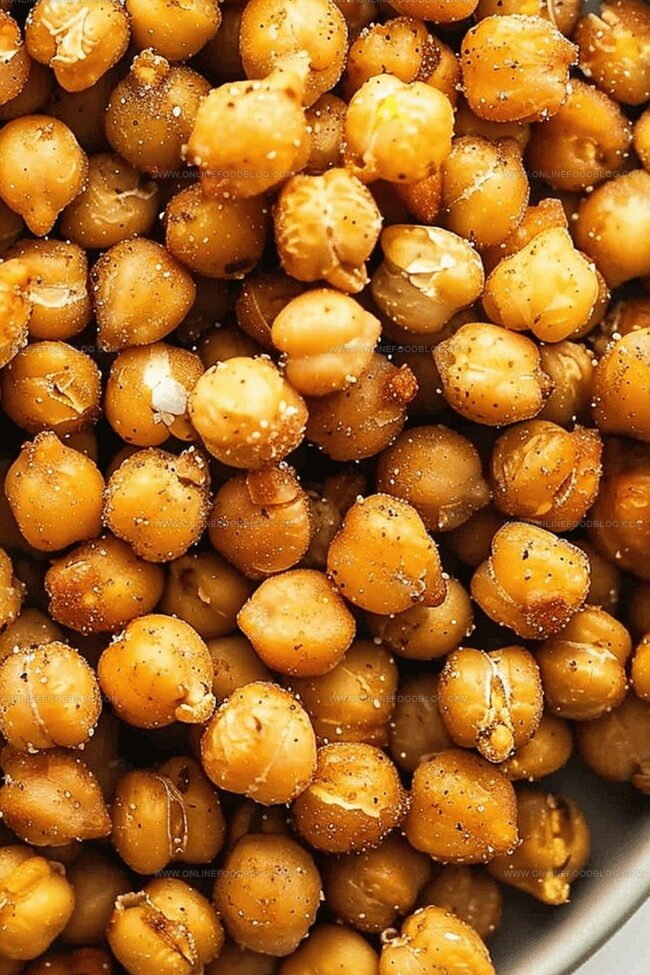
Image source: Web (Bing) / onlinefoodblog.com (Web image (fair-use with source credit))
The Pre-Heat Question
Most dual-basket models recommend a 3-minute preheat. Manufacturer specifications indicate that this stabilizes the temperature before food hits the basket. Skip it and your first 2 minutes are spent just bringing the chamber up to temp, which extends your cook time and shifts all your visual cues.
Frequently Asked Questions
How do I know when chickpeas are crispy enough?
Lift one out and let it cool for a minute. Take a bite. You should hear a crunch, then hit a creamy center.
If the whole bean is hard, they're overdone. If the center is starchy, they need more time.
Why do my roasted almonds taste bitter?
Bitterness means you've pushed them past the golden stage into the burnt zone. The oils have oxidized and degraded. Next time, pull them at the first sign of golden-brown edges and let the residual heat finish the job.
Can I use canned chickpeas instead of dried?
Yes, canned chickpeas work perfectly. Just drain, rinse, and dry them thoroughly. Patting them dry is the critical step.
The moisture on the surface is what causes steaming instead of crisping.
What temperature do I set for both zones?
Set Zone 1 (chickpeas) to 400°F. Set Zone 2 (almonds) to 325°F. The lower temperature for almonds prevents the natural oils from smoking and burning before the interior toasts.
How long do crispy chickpeas stay fresh?
Stored in an open container at room temperature, they stay crispy for about 2 days. Sealing them in an airtight container traps moisture and softens them overnight. Re-crisp leftovers in the air fryer at 350°F for 2 to 3 minutes.