Can Herb Scissors Be Used Every Day? What to Know
Can herb scissors be used every day? The short answer is yes, but they are not a perfect replacement for your standard kitchen knife. They excel at specific tasks like quickly garnishing a dish with soft, leafy greens.
Whether you cook daily or just want to speed up your prep, understanding how these multi-blade tools hold up over time matters. Manufacturer specifications indicate most models use food-grade 420 stainless steel, which balances edge retention with rust resistance. Let's look at how they compare to standard kitchen tools.
Quick Answer
Herb scissors can be used every day. They work best for cutting soft, leafy herbs. These include chives, cilantro, and parsley.
Daily use requires proper cleaning. You must remove trapped herb bits immediately. Hand washing prevents blade rust.
They are not ideal for hard stems. Use them for quick garnishing tasks.
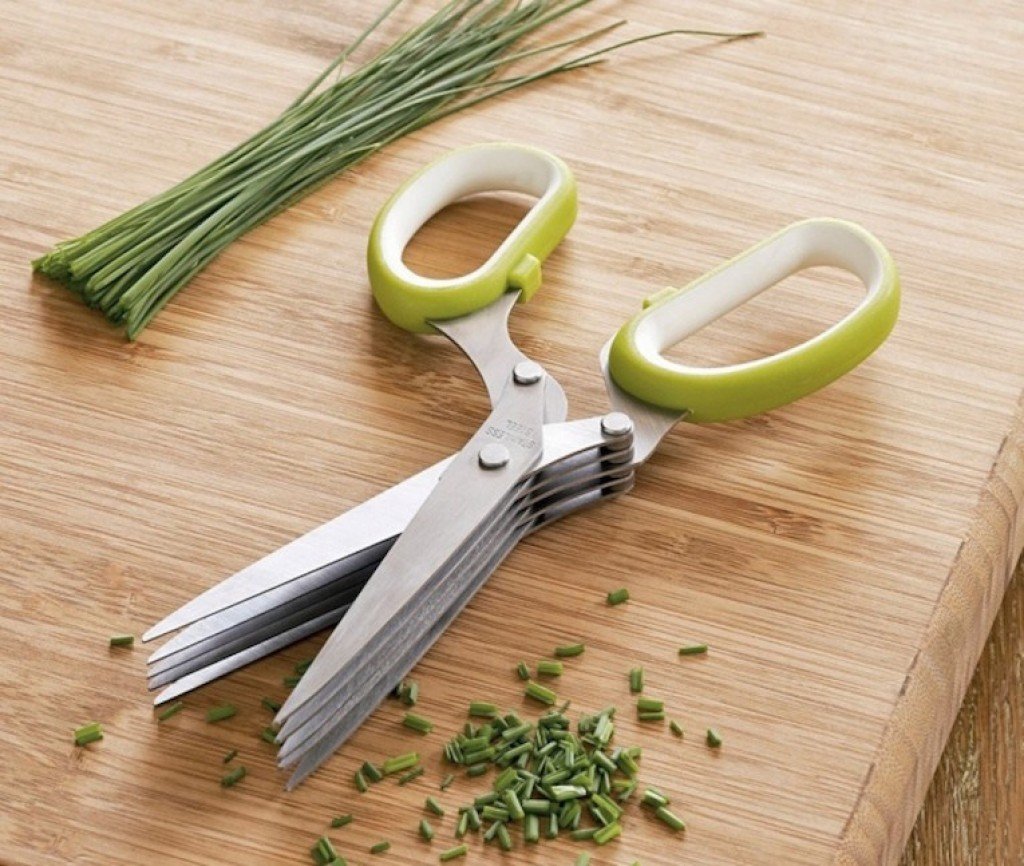
Image source: Web (Bing) / droold.com (Web image (fair-use with source credit))
Why This Comparison Matters
If you cook with fresh ingredients, you probably spend a good chunk of your prep time chopping greens. Herb scissors promise to speed up that process by giving you five cuts for every one squeeze. That sounds great in theory.
The real question is whether they earn a permanent spot in your daily kitchen workflow. A standard chef's knife is incredibly versatile. You can break down a chicken, mince garlic, and chiffonade basil with the same blade.
Herb scissors do one thing, and they do it very narrowly.
When you evaluate them, you have to look at the trade-off. You are trading the absolute precision of a single sharp blade for the raw speed of multiple blades. The comparison matters because kitchen drawer space is limited.
If you add a single-use gadget to your routine, it needs to genuinely save you time and hassle.
Aggregate user reviews report that the daily usability of these scissors depends entirely on what you cook. If you make soups, pastas, or salads that rely heavily on fresh herb garnishes, you will likely reach for them daily. If your cooking leans more toward roasted meats or root vegetables, they will just collect dust.
In our research, we found that the deciding factor comes down to your daily herb volume. High volume means the scissors pay off. Low volume means a knife is faster when you factor in cleaning time.
How Herb Scissors Actually Work
Herb scissors look like standard kitchen shears, but they feature multiple parallel blades instead of a single cutting edge. Most models feature three, five, or seven stainless steel blades arranged side by side. When you squeeze the handles together, these blades pass against a flat cutting edge on the bottom jaw.
This design effectively slices the herb into thin strips in one motion. If you were using a knife, you would have to rock the blade back and forth several times to get the same result. The scissors simply multiply your cutting power.
They also feature a built-in herb stripper on the base of the handle. This is a small, star-shaped hole. You pull a woody stem through it, and the leaves strip off cleanly.
This works well for rosemary or thyme.
The magic is in the speed. You can hold a bunch of parsley over a bowl and snip away. The cut herbs fall directly where you want them, bypassing the need for a cutting board.
Benefits and Drawbacks of 5-Blade Scissors
Like any kitchen gadget, herb scissors come with a distinct set of pros and cons. In our research, we found that users either love them or completely ignore them. This usually breaks down along the lines of what they cook and how much they hate cleaning tools.
What People Love
- Speed: They cut prep time significantly for large batches of soft herbs.
- Uniformity: They produce even, consistent strips without requiring advanced knife skills.
- Direct-to-plate use: You can snip herbs right over your dish, skipping the cutting board entirely.
- Wrist fatigue: They require a simple squeeze, which helps users with arthritis or wrist pain.
What People Hate
- Cleaning: Herbs get stuck between the blades easily.
- Bruising: If the blades are not razor-sharp, they tear delicate herbs instead of cutting them.
- Dulling: You cannot easily sharpen multiple blades at home, so they lose effectiveness over time.
- Hard stems: They struggle with woody stems and can bend or jam if forced.
The cleaning issue is the most common complaint in verified buyer feedback. Fortunately, most quality models come with a small cleaning comb. It is a flat piece of plastic with teeth that match the gaps between the blades.
You use it to scrape the trapped green bits out.
The material matters here. The Food and Drug Administration regulates food contact substances. This means you should look for scissors made from food-grade stainless steel, like type 420 or 304.
These resist corrosion from plant acids and moisture.
Herb Scissors vs. Standard Kitchen Tools
To decide if herb scissors belong in your daily routine, you have to pit them against the tools you already own. The main competitors are a chef's knife, standard kitchen shears, and a mezzaluna. Each tool has a specific sweet spot.
The Chef's Knife
A chef's knife is the ultimate workhorse. It requires regular maintenance, like knife sharpening and honing, to keep the edge aligned. A sharp knife makes perfectly clean cuts that prevent herbs from bruising.
However, it requires a cutting board and a rocking motion that takes practice to master.
Standard Kitchen Shears
Standard shears are great for breaking down poultry or opening packaging. They can cut herbs, but they only make one cut per squeeze. They are faster than a knife for dropping chives into a sour cream bowl, but they lack the multi-blade speed of dedicated herb scissors.
The Mezzaluna
A mezzaluna is a curved blade that you rock back and forth with both hands. It is excellent for mincing large volumes of herbs on a cutting board. It offers the precision of a knife with a bit more speed.
However, it takes up a lot of space and is a pain to store.
Feature Comparison
| Feature | Herb Scissors | Chef's Knife | Mezzaluna |
|---|---|---|---|
| Speed | Very High | Medium | High |
| Precision | Low | Very High | Medium |
| Cleanup | Tedious | Easy | Easy |
| Storage | Compact | Block or Drawer | Bulky |
| Best For | Soft herbs, quick garnish | All-purpose prep | Large batches of herbs |
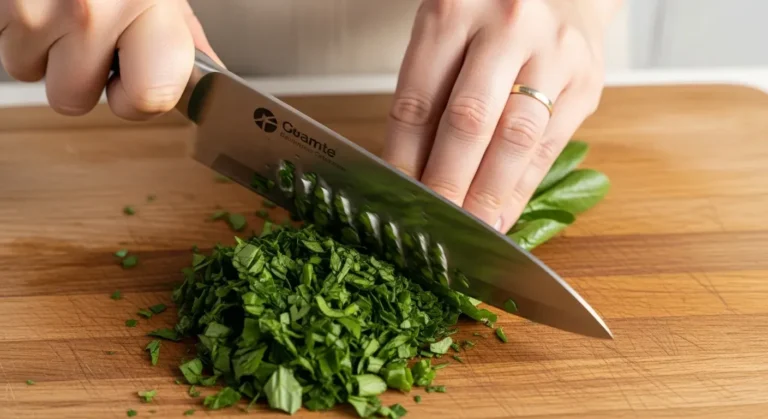
If you need to chiffonade a pile of basil for a pesto, the chef's knife or mezzaluna wins. If you just need a quick sprinkle of chives on your baked potato every night, the herb scissors win.
Step-by-Step Process: Snipping and Cleaning
Using herb scissors is straightforward, but doing it right makes a big difference in how long the tool lasts. The process is simple. The cleaning is where you need to pay attention.
How to Snip Herbs
- Wash and dry the herbs. Wet herbs will stick to the blades and clump together. Pat them completely dry with a towel.
- Hold the herbs over the target. Grab a small handful of herbs and hold them directly over your pot, bowl, or plate.
- Squeeze from the tips. Use the middle of the blade, not the base. This gives a cleaner cut.
- Snip in short bursts. Let the cut pieces fall naturally. Do not try to cut too much at once.

Image source: Web (Bing) / amazon.co.uk (Web image (fair-use with source credit))
How to Clean the Blades
- Use the cleaning comb immediately. Do not let the herbs dry on the blades. Run the comb through the slots right after you finish.
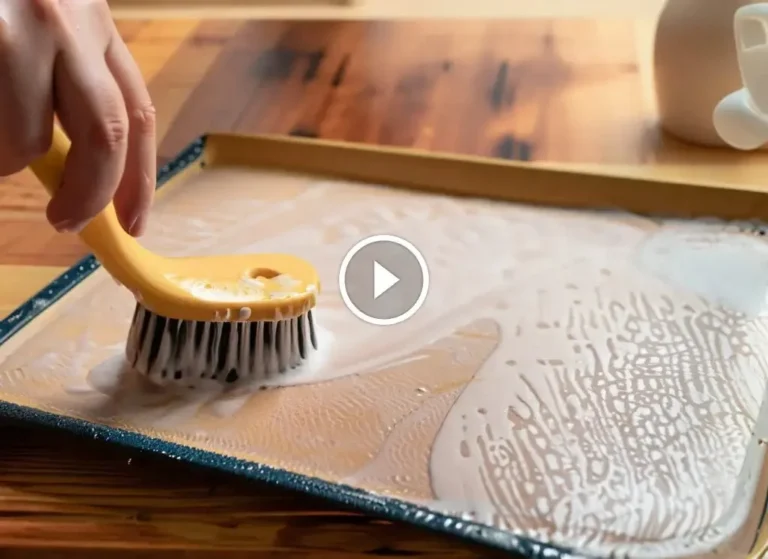
- Rinse under warm water. Wash the blades with mild soap. Use a bottle brush or a narrow sponge to get between the slots.
- Dry thoroughly. Pat the blades dry with a cloth immediately. Do not let them air dry.
- Store safely. Keep them in a drawer or a protective sleeve to prevent the blades from banging into other utensils.
Step Overview
| Step | Action | Key Detail |
|---|---|---|
| 1 | Prep Herbs | Dry completely |
| 2 | Position | Over the bowl or pot |
| 3 | Snip | Use the middle of the blade |
| 4 | Comb | Clear the slots immediately |
| 5 | Wash | Warm water and soap |
| 6 | Dry | Towel dry completely |
Frequently Asked Questions
Can you cut basil with herb scissors?
Yes, you can cut basil with herb scissors. Basil bruises easily, so a sharp tool is essential. If your scissors are dull, they will crush the leaves instead of slicing them.
Are herb scissors dishwasher safe?
Manufacturer specs often list them as dishwasher safe. However, the high heat degrades the edge and handle rivets. Hand washing is the best practice to keep the blades sharp and rust-free.
What herbs work best in herb scissors?
Soft, leafy herbs work best. Chives, dill, parsley, and cilantro are ideal. They cut cleanly and fall easily from the blades.
What herbs should you avoid in herb scissors?
Avoid woody herbs. Rosemary and thyme stems are too hard. They can jam the blades and bend the alignment.
How do you sharpen herb scissors?
It is very difficult to sharpen them at home. The multiple blades are too close together for a standard whetstone. You will likely need to replace them when they lose their edge.
Do herb scissors save time?
Yes, they save time during the actual cutting. You bypass the cutting board. However, you spend a little extra time cleaning them.
Best Use Cases for Daily Herb Scissor Use
Herb scissors shine in specific kitchen scenarios. They are not an all-purpose tool. Knowing when to grab them makes all the difference.
If you cook Mediterranean, Southeast Asian, or Latin American cuisine, you likely use soft herbs daily. These scissors are perfect for finishing a pho bowl with cilantro. They excel at topping a pasta dish with fresh parsley.
If you are making a large batch of chimichurri or pesto, skip the scissors. You will need the volume processing of a chef's knife or food processor. The scissors are for finishing, not bulk processing.
Common Mistakes to Avoid with Herb Scissors
Even a simple tool has a learning curve. In our research, a few common mistakes pop up constantly in user reviews.
Cutting Wet Herbs
Water makes herb leaves stick to stainless steel. If you do not pat your herbs completely dry, the blades will clog instantly. The cut pieces will clump together instead of falling cleanly.
Forcing Hard Stems
Do not try to cut rosemary or thyme branches with herb scissors. The woody stems will jam the blades. Over time, forcing hard stems bends the alignment and ruins the tool.
Ignoring the Comb
The cleaning comb is not optional. If you just rinse the scissors, bits of herb will dry between the blades. This degrades the cutting edge and invites rust.
Maintenance and Long-Term Optimization
If you want your herb scissors to last for daily use, you need a maintenance routine. The goal is protecting the edge and preventing corrosion.
Daily Care
Wash the scissors immediately after use. Use warm water and mild dish soap. Run the cleaning comb through the slots to clear debris.
Dry the blades completely with a kitchen towel before storing them.
Long-Term Storage
Keep the scissors in a dry drawer. Avoid throwing them loosely into a crowded utensil bin. Banging against heavy metal spoons will dull the fine edges.
Use the plastic sleeve if the manufacturer included one.
Costs, Specs, and What to Expect
Knowing what to look for helps you avoid cheap models that dull in a week. Manufacturer specifications provide clear benchmarks for quality.
Key Specifications
- Blade Count: 5 blades offer the best balance of speed and cutting force.
- Material: Food-grade 420 stainless steel resists rust and holds a decent edge.
- Hardware: Riveted joints hold up better than glued plastic handles.
- Extras: A cleaning comb is a must-have accessory.
As of 2026, prices for decent herb scissors range from $10 to $25. Models below $10 often use cheaper steel that dulls quickly. Spending closer to $20 gets you better build quality and a longer lifespan.
Real Scenarios: When to Grab the Scissors
To see how herb scissors fit into a daily routine, let's look at a few real-world scenarios. These examples break down the exact workflow.
If you grow a windowsill herb garden, the scissors are perfect. You can walk to the window, snip a few springs of dill, and drop them directly onto your plate. No cutting board required.
If you do weekly meal prep, the scissors might slow you down. Processing a massive bundle of cilantro takes longer with scissors than rocking a chef's knife. The frequent clogging stops your momentum.
Final Recommendation: Should You Use Them Every Day?
Yes, you should use herb scissors every day if your cooking relies heavily on soft, leafy garnishes. They are a highly effective, daily shortcut for home cooks who finish their dishes with fresh cilantro, chives, or dill.
If your daily cooking involves heavy prep work or hardy, woody herbs, skip them. A standard chef's knife will serve you much better in those situations. You will save time and avoid the frustration of cleaning a single-use gadget.
Herb scissors are a situational tool that earns their drawer space through pure convenience. Treat them as a finishing tool, keep them dry, and use the cleaning comb. They will speed up your daily garnish routine without missing a beat.