Why Cherry Juice Splashes Everywhere and How to Prevent It
Cherry Juice Splashes Everywhere fast, and the bright red marks spread before you can grab a towel. The real problem is not just liquid. Cherry juice carries pigment, sugar, and acid that can bond to surfaces quickly.
USDA FoodData Central lists cherry juice pH around 3 to 4. That is acidic enough to worry about stone and some finishes. Its anthocyanin pigments also shift color as conditions change.
That is why your first move matters, and it starts with understanding the stain.
Quick Answer
Cherry Juice Splashes Everywhere needs fast blotting first. Blot excess liquid, then rinse washable fabric with cold water. Keep heat away until the stain is fully gone.
Dried stains need gentle detergent and repeat cold rinses. Match the method to fabric, carpet, wood, or stone.
Why Cherry Juice Splashes Everywhere and How to Prevent It
Image source: Web (Bing) / chefinoz.com (Web image (fair-use with source credit))
Why Cherry Juice Splashes Cause Fast, Stubborn Stains
Cherry juice stains because it is not just colored water. It contains anthocyanins. These are pigments that give cherries their red color and can bind to fibers.
It also contains plant tannins. Tannins are astringent compounds that help stains cling. Sugar adds stickiness, and acid can affect some surfaces.
University of Minnesota Extension explains fruit stains respond best to quick treatment. That is because the stain changes as it dries. Water evaporates, but pigment and sugar stay behind.
Cherry splashes often happen during blending, pitting, or pressing. The force breaks juice into a fine mist. That mist lands on sleeves, counters, and nearby walls.
Anthocyanins are water soluble, so cool water can move them out of many fibers. They are also pH sensitive. Acidic conditions can keep the red color strong.
Once sugar dries, it can trap pigment against the surface. That is why rinsing matters more than scrubbing.
- Anthocyanins provide strong red pigment.
- Tannins help pigment attach to fibers.
- Sugar leaves residue that attracts dirt.
- Acid can damage marble, limestone, and some finishes.
- Porous materials absorb pigment faster than smooth ones.
- Fine mist droplets dry faster than poured spills.
If the splash is still wet, you can often remove most of it. If it has dried, the same pigments need more patience. Heat makes the problem worse.
A dryer, iron, or hot wash can bind pigment more tightly to the fiber.
Quick First Response for a Fresh Cherry Juice Splash
Your goal is to remove pigment before it dries. Do not scrub. Scrubbing pushes juice deeper and spreads the stain.
Use a white cloth so you can see pigment lifting. A patterned towel can hide progress and encourage over scrubbing.
Use this order for any fresh splash:
- Blot the splash with a clean white cloth.
- Lift cherry pulp with a spoon or dull knife.
- Turn washable fabric inside out if you can.
- Rinse the back of the stain with cool running water.
- Keep blotting until no more color transfers.
Work gently and change cloths as they pick up color. A saturated cloth can redeposit juice.
Keep a simple kit handy if you juice often.
| Item | Why it helps |
|---|---|
| White cloth | Shows how much stain is lifting |
| Spoon | Lifts pulp without smearing |
| Cool water | Flushes sugar and pigment |
| Mild detergent | Breaks down sticky residue |
If the fabric is dry clean only, stop after blotting. If the surface is stone, skip vinegar and use a stone safe cleaner. If the spill reached several surfaces, handle fabric first, then hard surfaces.
Fabric stains set faster than most sealed counter stains.
If the splash is on skin, wash with soap and water. Cherry color on skin usually fades in a day or two.
- Do not use hot water.
- Do not rub the stain.
- Do not put the item in the dryer.
Identify the Surface Before You Touch the Stain
The right branch depends on the material under the stain. A method that works on cotton can ruin silk. A cleaner that is safe on laminate can etch marble.
| Surface | Main risk | Best first move |
|---|---|---|
| Washable cotton or polyester | Pigment setting | Flush with cool water |
| Dry clean only silk or wool | Fiber damage | Blot and call a cleaner |
| Carpet or area rug | Overwetting rings | Blot, then spot clean lightly |
| Upholstery | Unknown cleaning code | Check W, S, WS, or X |
| Sealed wood or laminate | Water marks | Wipe, rinse, and dry fast |
| Marble, limestone, or travertine | Etching | Use a stone safe cleaner |
| Tile grout | Pigment soaking in | Blot, then use a small brush |
| Stainless steel | Smearing | Wipe and dry |
| Skin or plastic | Temporary color | Wash with soap and water |
Check upholstery cleaning codes before applying any liquid. W means water based cleaning is usually safe. S means solvent only.
WS means water or solvent may work. X means vacuum only or professional help.
Natural stone needs special care. Marble and limestone react to acid. Even a mild vinegar rinse can dull the surface.
With carpet, work from the edge toward the center. This keeps the stain from spreading.
Porous surfaces need extra care. Unsealed wood, grout, and some concrete can absorb cherry pigment quickly. Nonporous surfaces like glass, metal, and sealed stone usually only need surface cleanup.
When in doubt, call a professional for large carpet stains or antique textiles.
What if I do not know the material?
Choose the gentlest option first. Blot, then use cool water and a small amount of mild detergent. Test a hidden area before going wider.
If the surface clouds, softens, or changes color, stop.
What if the stain crosses several materials?
Treat fabric first. Then move to hard surfaces. Fabric sets faster, while sealed surfaces give you more time.
Fresh, Dried, or Heat-Set: Choose the Right Cleanup Branch
Stain age changes the plan. Fresh stains need speed. Dried stains need rehydration.
Heat-set stains need patience and often stronger treatment.
| Stain condition | What you may see | Best branch |
|---|---|---|
| Fresh | Wet, bright red, sticky | Flush and blot now |
| Dried | Dull red or brown shadow | Rehydrate, then repeat |
| Heat-set | Faded but fixed mark | Treat gently, seek help if needed |
Dried cherry stains can look brown because pigment oxidizes and sugar remains. Rehydrating the stain helps the cleaner reach the fiber.
For concentrated cherry juice, assume a stronger pigment load. Even a dilute splash can leave sugar.
As of 2026, many oxygen bleach products still use sodium percarbonate as the active ingredient. This ingredient releases oxygen in water and can help lift fruit pigments. Do not use chlorine bleach on colored fabric unless the label says it is safe.
Do not increase strength too fast. Stronger products can damage dye before they remove pigment.
If the stain is fresh
- Act within minutes.
- Use cool water first.
- Add mild detergent if the surface allows it.
- Stop when no color transfers to your cloth.
If the stain is dried
- Wet the area with cool water.
- Let detergent dwell for a few minutes.
- Blot and rinse, then repeat.
- Air dry and check before using heat.
If the stain is heat-set
- Expect slower results.
- Use oxygen bleach only if the label allows it.
- Keep the item out of the dryer.
- Call a professional for silk, wool, or valuable items.
Avoid common heat sources until the mark is gone. These include a clothes dryer, iron, hot wash cycle, dishwasher heat dry, and direct sun on a hot day. Even warm air can make a faint stain harder to remove.
Keep notes if you repeat treatments. Note the cleaner, dwell time, and result.
Washable Fabrics: Cold Rinse, Detergent, and Safe Repeat Treatment
Washable fabrics give you the best chance. Cotton, linen, polyester, and nylon usually tolerate cool water and mild detergent. Start by flushing from the back of the stain.
This pushes pigment out instead of deeper.
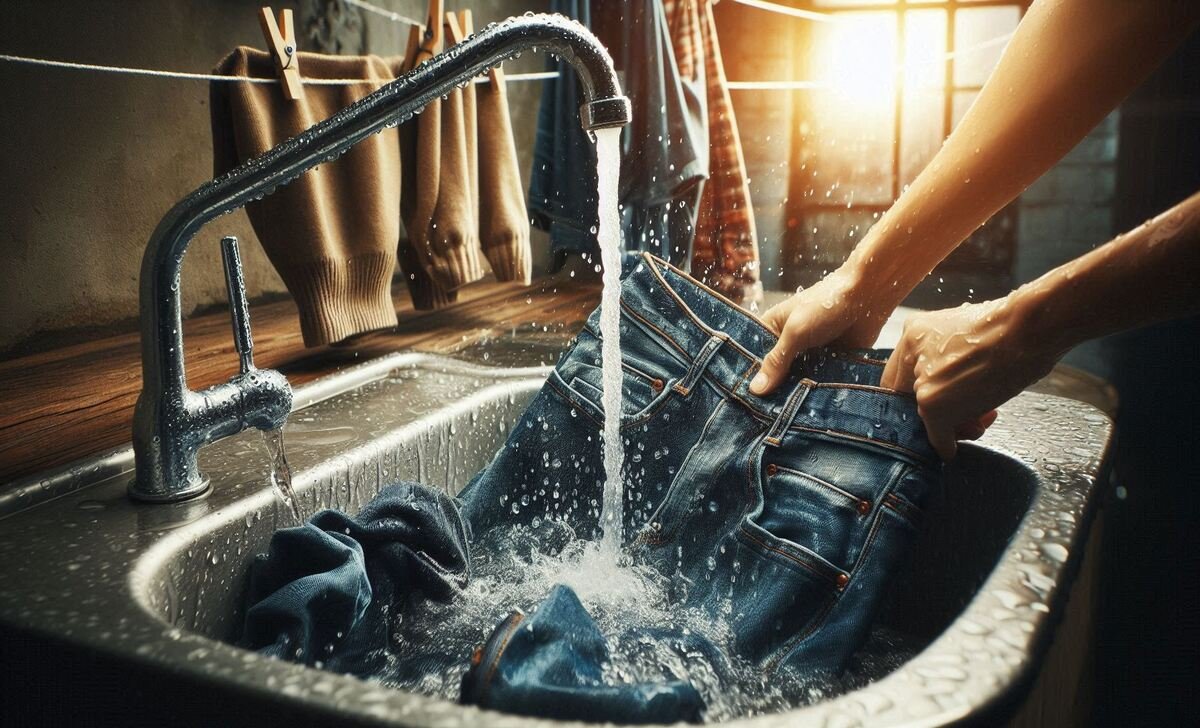
Image source: Bing (Web (fair-use with source credit))
Manufacturer care labels usually specify cold, warm, or hot wash limits. Follow the coldest safe setting until the stain is gone. Cool water is safer for fruit stains because it does not encourage setting.
Use this workflow:
- Read the care label. Look for cold wash and gentle cycle limits.
- Test colorfastness. Put a small drop of cleaner on a hidden seam and blot.
- Flush the stain from the back with cool water.
- Apply a small amount of liquid laundry detergent or dish soap.
- Gently work it in with your fingers or a soft cloth.
- Rinse fully.
- Repeat until the cloth comes away clean.
- Air dry the item and inspect it in good light.
If you need a soaking solution, mix about 1 teaspoon of liquid detergent with 1 cup of cool water. Use only enough to dampen the stain. Soak delicate washable items for a few minutes, not hours.
Rinse well because detergent residue can attract dirt.
Rinse longer than you think. Leftover detergent can make the spot feel stiff or attract new soil.
For colored washable fabrics, avoid chlorine bleach and strong peroxide spots. They can create light patches that are harder to fix than the stain.
For white cotton, oxygen bleach can be useful after detergent fails. Follow the product label. Mix fresh solution and rinse well.
If the fabric has a finish, such as wrinkle resistance, gentle treatment matters more. Aggressive rubbing can wear the finish.
| Treatment | Best use | Caution |
|---|---|---|
| Cool water | Fresh stains | Always use first |
| Liquid detergent | Washable fabrics | Rinse fully |
| Oxygen bleach | Dried stains on safe fabrics | Check the label |
| Hydrogen peroxide | White cotton only | Can lighten dye |
If a faint shadow remains, do not put the item in the dryer. Treat it again first. Heat can lock in the last pigment.
A stain may look gone while damp and reappear after drying. That is why final inspection should happen after air drying.
Can you use vinegar or hydrogen peroxide?
Yes, sometimes, but only with caution. White vinegar can help on some washable fabrics, but it can harm dyes and finishes. Hydrogen peroxide at 3% can lighten colors.
Test first and rinse well.
Can I use hot water if the label allows it?
Not at first. Hot water can set fruit pigments. Use cool water until the stain is gone.
Then wash at the warmest safe setting for the fabric.
Why did the stain come back?
Dried sugar or pigment can remain deep in the fiber. Rinse longer and repeat detergent treatment. If the fabric is white and label safe, oxygen bleach may help.
If the item is valuable, ask a professional cleaner.
Should I pretreat with stain spray?
Yes, if the label allows it. Spray the back of the stain first. Let it sit briefly, then rinse.
Carpets and Upholstery: Blot, Extract, and Avoid Overwetting
Carpet and upholstery stains fail when too much water goes in. Backing and padding hold moisture longer than face fibers. That creates rings, odors, and slow drying.
Start with dry removal. Lift pulp with a spoon. Blot juice with a white cloth.
Press straight down.
Use cool water sparingly. Dampen a cloth, then blot. Change sides often.
Stop when no color transfers.
If detergent is safe, mix 1 teaspoon mild liquid detergent with 2 cups cool water. Apply with a damp cloth. Do not soak the fibers.
Rinse by blotting with a clean water dampened cloth. Dry blot with a towel.
For upholstery, check the cleaning code first. W allows water based cleaning. S needs solvent.
WS allows either. X means vacuum or professional only.
| Situation | Best move |
|---|---|
| Small fresh carpet splash | Blot, damp clean, dry blot |
| Large carpet spill | Use a wet vac lightly |
| Code W upholstery | Minimal moisture detergent foam |
| Code S or X upholstery | Call a professional |
What if the carpet pad is wet?
Assume home cleaning may not dry it fully. Use less liquid and more blotting. If padding stays damp, professional extraction is safer.
Can a home carpet cleaner help?
Yes, if you avoid flooding the area. Too much shampoo leaves residue. Residue attracts dirt and can make the spot return.
Hard Surfaces, Wood, and Stone: Clean Without Etching or Spreading Pigment
Hard surfaces look dramatic but usually clean easier than fabric. The real risk is scratching, dulling, or etching the finish.
Wipe sealed counters, laminate, tile, stainless steel, and glass with a damp cloth. Rinse the cloth often. Dry the surface to prevent streaks.
For wood, use little water. Wipe with a barely damp cloth. Dry immediately.
Standing water can raise grain or cloud the finish.
For natural stone, avoid vinegar and lemon. Marble, limestone, and travertine etch easily. Use a stone safe cleaner or warm water with a small drop of mild dish soap.
| Surface | Safe approach | Avoid |
|---|---|---|
| Sealed stone or quartz | Mild soap and water | Acid cleaners |
| Marble or limestone | Stone safe cleaner | Vinegar, lemon, harsh scrub |
| Sealed wood | Damp wipe, dry fast | Soaking, steam |
| Grout | Soft brush, small cleaner amount | Dirty mop water |
What if the stone looks dull after cleaning?
Dullness may be etching, not stain. Etching is surface damage. A stone restoration product or pro may be needed.
What about unsealed grout?
Grout absorbs pigment fast. Blot first, then clean a small area with a soft brush. Do not push juice deeper with a wet mop.
Skin, Appliances, and Food-Contact Areas: Safe Removal and Rinsing
Skin and kitchen equipment need different rules. Skin is simple. Appliances and prep areas need food safe cleanup.
Wash hands with soap and water. Cherry pigment usually fades on its own. Avoid harsh scrubbing, bleach, or solvent cleaners on skin.
For blenders, juicers, and food processors, rinse parts before juice dries. Anthocyanin and sugar stick to plastic seals. Warm soapy water usually works after a brief soak.
Check manufacturer instructions for dishwasher safe parts. Many plastic jars and blades tolerate top rack washing. Gaskets and blade assemblies may need hand cleaning.
For counters, cutting boards, high chairs, and utensils, use a clean, rinse, sanitize flow. Food contact surfaces should not retain cleaning residue.
| Item | Best practice |
|---|---|
| Blender jar | Rinse, wash, air dry |
| Juicer screen | Brush pulp before soaking |
| Cutting board | Wash, rinse, sanitize if needed |
| High chair tray | Wipe, rinse, dry fully |
Can cherry juice stain plastic?
Yes, especially white plastic. Soak briefly in warm soapy water. If color remains, a baking soda paste may help.
Rinse well before food use.
Is baking soda safe on food surfaces?
Usually yes if rinsed fully. It is mildly abrasive. Avoid it on soft plastic if scratching matters.
Common Cherry Juice Cleanup Mistakes That Set the Stain
Most permanent cherry marks come from cleanup errors. The first mistake is rubbing. Rubbing spreads pigment and damages fibers.
The second mistake is heat. Hot water, dryers, irons, and dishwashers can set fruit pigments. Keep items away from heat until fully clean.
The third mistake is using the wrong cleaner. Acidic cleaners can etch stone. Chlorine bleach can remove fabric dye.
Strong solvents can harm finishes.
Another issue is stopping too soon. A damp stain can look gone. After drying, pigment may reappear.
Always inspect after air drying.
Leaving detergent behind also causes problems. Soap residue feels sticky. It attracts dust and can create a dark ring.
| Mistake | Result | Better choice |
|---|---|---|
| Rubbing | Larger stain | Blot from edge inward |
| Hot water | Set pigment | Cool water first |
| Vinegar on stone | Etch marks | Stone safe cleaner |
| Too much carpet water | Rings and odor | Damp cloth method |
| No rinse | Residue attracts dirt | Rinse and blot dry |
Why does a clean spot turn brown later?
Sugar or pigment may still be inside the fiber. Rewet with cool water. Add mild detergent, then repeat blotting and rinsing.
Can sunlight remove cherry stains?
Sunlight may fade some pigments, but it is not reliable. It can also fade fabric dye. Use controlled cleaning instead.
When to Stop DIY and Call a Professional Cleaner
Some cherry splashes are beyond safe home cleanup. Call a pro when the item is valuable, delicate, or large. Dry clean only garments need professional spotting.
Stop if the fabric is silk, velvet, suede, leather, antique textile, or unstable dye. These materials can water spot, shrink, or lose color. Home treatment may cause more damage than the stain.
For carpets, call a pro if the spill soaked through to padding. Home methods cannot dry padding well. Mold and odor can follow.
For stone, call a specialist if the surface is dull after cleaning. That suggests etching. A stain remover will not fix surface loss.
Use this simple threshold:
- The item is expensive or sentimental.
- The stain covers more than a few inches.
- The material is dry clean only.
- The padding or backing is wet.
- The surface is natural stone and looks dull.
- The stain remains after two gentle treatments.
Professional cleaners have stronger spotters, controlled extraction, and drying tools. They can also test dye stability. Ask what method they use for fruit tannin stains.
If you plan to call, blot excess juice first. Do not apply random products. Tell them what you already used.
That helps them choose the next solvent safely.
Cherry Juice Stain Removal Decision Guide
Use this order before choosing a product.
| Condition | Best next move |
|---|---|
| Fresh washable fabric | Blot, cool rinse, detergent, air dry |
| Dried fabric | Rehydrate, repeat, oxygen bleach if safe |
| Carpet or upholstery | Minimal moisture, blot, dry quickly |
| Wood or stone | Gentle wipe, stone safe cleaner |
| Silk, leather, wet padding | Professional cleaner |
FAQs About Cherry Juice Splashes
Does hot water set cherry juice stains?
Yes. Heat can bind fruit pigment into fabric. Use cool water for initial rinsing.
Keep the item out of the dryer until the stain is completely gone.
Can vinegar remove cherry juice?
Sometimes on washable fabric. It is not a universal fix. Avoid vinegar on marble, limestone, travertine, and fabrics with unstable dye.
Rinse well after use.
Why does the stain come back after drying?
Residual sugar or pigment can remain inside the fiber. Rewet the spot with cool water. Add mild detergent, rinse thoroughly, then air dry and inspect again.
Is cherry juice permanent on carpet?
Usually not if you act while it is fresh. Problems start when juice reaches padding, when heat is applied, or when the area is oversaturated.