Large Cherries Get Stuck: Causes and Safe Fixes
Large Cherries Get Stuck in more ways than most people expect. A jumbo sweet cherry can jam a pitter, block a jar neck, lodge in a drain, or feel frighteningly caught in the throat. That is why the first step is not force.
It is identification.
The fix changes fast. A 30 mm cherry may pass through a wide mouth jar, but the same fruit can wedge in a small pitter cup. As of 2026, many sellers still grade cherries by row count, and that number tells you a lot about trouble spots.
Image source: Web (Bing) / storage.googleapis.com (Web image (fair-use with source credit))
Quick Answer
Large Cherries Get Stuck where fruit meets a narrow tool or body passage. The safe fix depends on location. Check breathing first.
Then inspect the pitter, jar, sink drain, or dental work. Do not force fruit through any blocked path.
Why Large Cherries Get Stuck and Why the Fix Depends on Location
A large cherry is not just a bigger version of a standard cherry. It has more diameter, a bigger pit, and less margin for error. That matters when the fruit meets any opening smaller than its widest point.
Most stuck cherry problems fall into five buckets. The fruit can block the throat, jam a cherry pitter, wedge in a jar, clog a sink, or catch in dental work. Each one needs a different response.
The U.S. Department of Agriculture groups fruit quality and size by grade and variety. Size can swing from about 26 mm to over 30 mm in large sweet cherries.
A small change in diameter can turn a smooth process into a jam.
Size labels can be confusing. Many wholesalers still use row count. A 9 row cherry is larger than a 12 row cherry.
The smaller number means fewer fruit fit across the pack.
A 2 mm increase may sound small. In a pitter cup, it can be the difference between clean pitting and a crushed mess. The same fruit can also bridge a jar opening or catch on a funnel lip.
Use this simple rule. If the problem involves a person, treat safety first. If it involves a tool or drain, stop, clear the blockage, then change the prep method.
Quick Triage: Is This a Choking Emergency, a Kitchen Jam, or a Minor Nuisance?
Start with the highest risk item. A person always comes before a pitter, jar, or sink.
| Situation | First check | Best next move |
|---|---|---|
| Throat or mouth | Can the person breathe and speak? | Encourage coughing or call for emergency help |
| Cherry pitter | Is the fruit larger than the cup? | Stop, clear the chute, and sort fruit |
| Jar or funnel | Is the neck too narrow? | Repack with pitted or halved cherries |
| Sink or disposal | Is power off? | Remove visible fruit, then test drainage |
| Braces or teeth | Is there pain or swelling? | Use floss or a water flosser gently |
If the person can make sound, cough, or breathe, it is not a full airway blockage. If the person cannot speak, cough, or breathe, treat it as an emergency. If the issue is only a tool, you have time to work calmly.
Use this order every time. Person, airway, tool, container, plumbing. If the person is safe, move to the next item.
Do not guess with fingers in any tight space. Fingers can push a cherry deeper in the throat. They can also cause injury in a disposal or pitter.
The Key Variables That Change the Fix: Location, Size, Tool, and Risk
The right fix depends on a few clear variables. These tell you whether to act fast or slow down.
Location
A cherry in the airway is urgent. A cherry in a pitter is annoying. A cherry in a drain may be a simple plumbing task.
The body is always the priority.
Fruit size
Large sweet cherries often measure 26 to 32 mm across. Jumbo fruit can pass 30 mm. Many pitters and funnels have less clearance than buyers expect.
A fruit that looks only slightly larger can still fail to pass. The widest point matters more than average size. One oversized cherry can stop a whole batch.
Pit size and shape
A cherry pit may be 7 to 12 mm long. It can turn a soft fruit jam into a hard mechanical block. Pits also damage disposals if they collect in the grind chamber.
Pit shape matters too. A rounded pit may slide. A pointed or irregular pit can catch on plastic edges.
Tool design
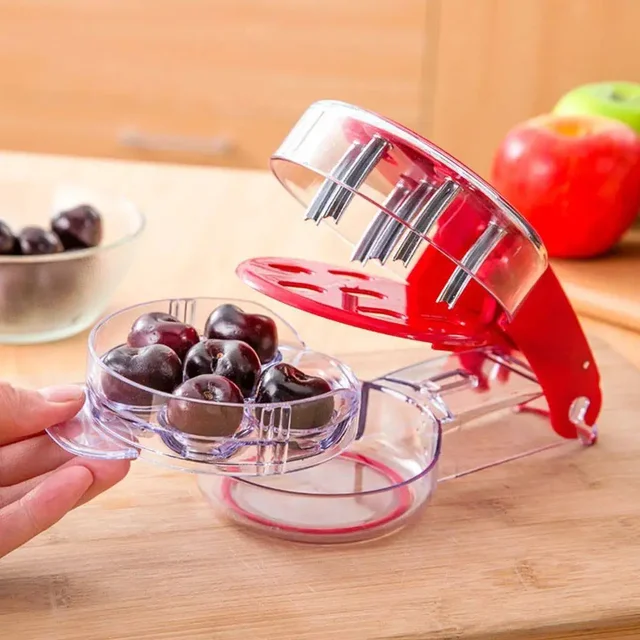
A handheld cherry pitter uses a small fruit cup and plunger. A countertop model uses a hopper and chute. Both can jam, but the clear out path differs.
Hand tools give you more feel. Countertop tools give you more speed. Speed does not help if the fruit is too large.
Container opening
Regular mouth jars are about 2.75 inches across. Wide mouth jars are about 3.38 inches across. Large cherries can bridge the smaller opening and stack.
Stems can snag on funnels. Tight skin can split and release sticky juice. That juice can make packing harder.
Person risk
Children, older adults, and people with dental work face higher risk. So do people with swallowing problems. Cut large cherries smaller for these groups.
Whole round foods are a known choking concern. Size and shape both matter. Pitting and halving reduces the risk.
Plumbing setup
A standard kitchen drain may be 1.5 to 2 inches wide. Pits and skins can catch in the P trap. A disposal may hide fruit pieces below the impellers.
A disposal can sound normal while still holding a blockage. Slow drainage is often the first clue. Fruit pieces may sit farther down the line.
Decision Branch 1: Large Cherry Stuck in the Throat or Swallowing Pathway
This branch is about people, not tools. The first question is simple. Can air move?
The Centers for Disease Control and Prevention stresses quick action when breathing is blocked. Do not wait to see if it passes if the person is struggling.
If the person can cough, speak, or breathe
If air is moving, coughing is usually the best first move. Ask the person to keep coughing. Stay close and watch for any change.
Do not slap the back hard if coughing is working. Do not perform abdominal thrusts on someone who can speak and breathe. Give space, keep them calm, and be ready to help if it worsens.
If the cough weakens or breathing becomes noisy, escalate at once. Noisy breathing can mean the airway is narrowing. That is the point to call for emergency help.
If the person cannot breathe, speak, or cough effectively
This is an emergency. Call 911 in the U.S. Call 999 or 112 in the U.K.
Use age appropriate first aid. For a conscious adult or child, give abdominal thrusts. For an infant, use back blows and chest thrusts.
Do not sweep the mouth with a finger unless you can see and reach the object. A blind sweep can push the cherry deeper. Keep going until the object clears or help takes over.
If someone is alone, calling emergency services comes first. Public health guides also teach self aid using a sturdy surface. The key is to act without delay.
If swallowing hurts or food feels stuck after breathing is normal
If breathing is normal but pain remains, stop eating and seek medical advice. This can happen when a large piece scratches the throat. It can also mean food is still lodged.
Watch for red flags. These include drooling, vomiting, chest pain, blood, or trouble swallowing saliva. Any of these needs prompt care.
If the feeling fades quickly and swallowing feels normal, sip water and rest. Still avoid large whole cherries next time. Pit them, halve them, or cut them smaller.
Decision Branch 2: Large Cherries Stuck in a Cherry Pitter
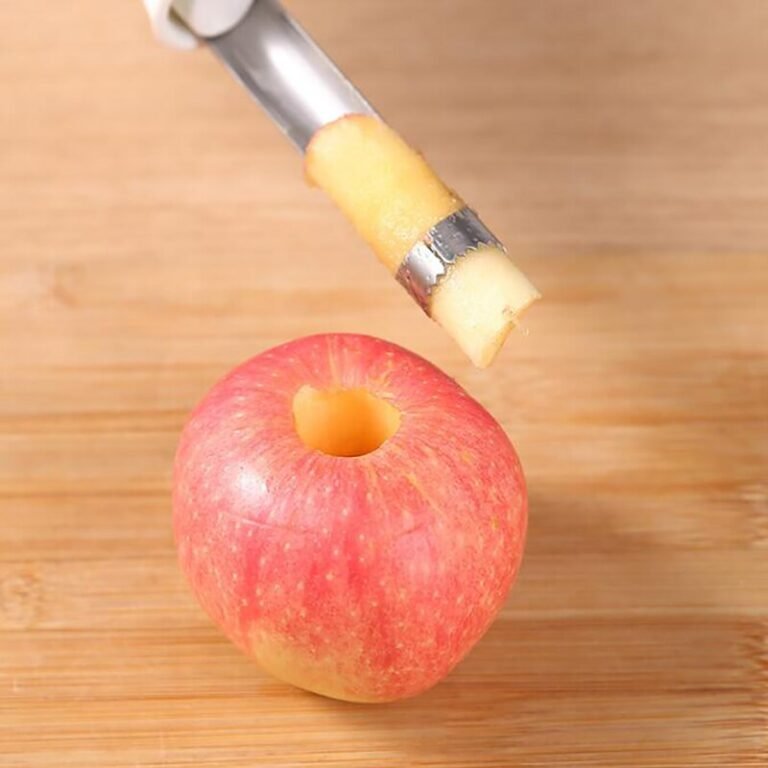
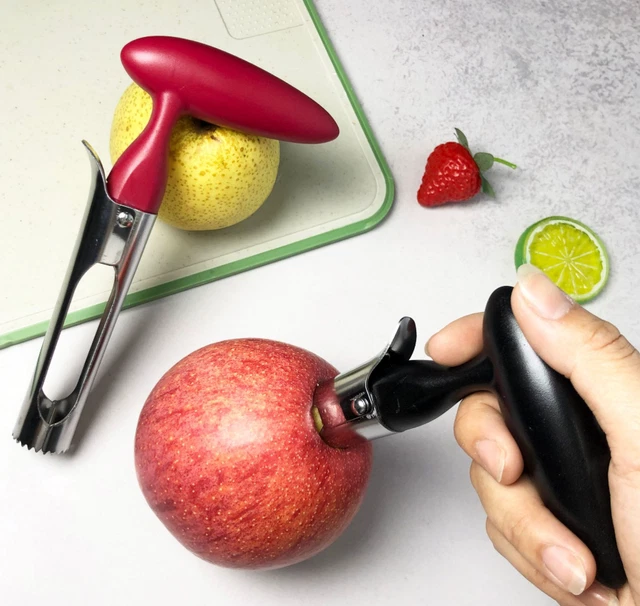
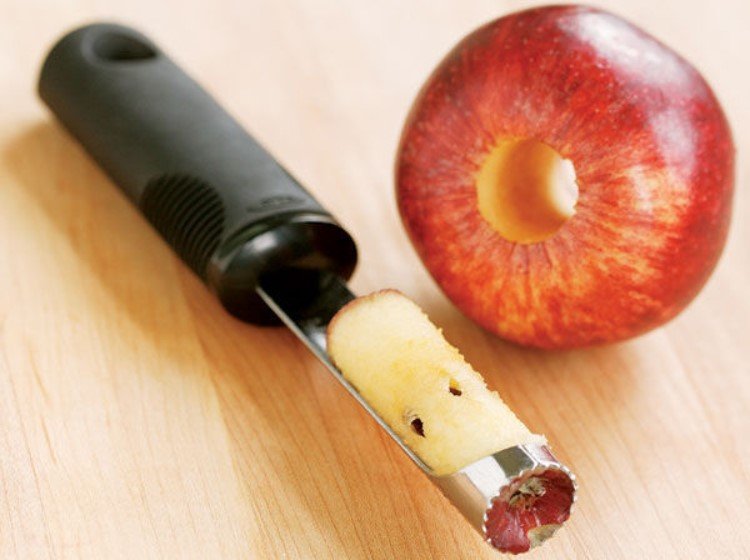
A cherry pitter is a tool that pushes a pit out through the fruit. It works best when the fruit fits the cup. Large cherries often exceed that fit.

Image source: Bing (Web (fair-use with source credit))
Manufacturer specs for many pitters show a narrow fruit seat. Aggregate reviews report jams most often with oversized, very ripe, or sticky fruit. The fix depends on the pitter type.
A simple sorting step prevents most jams. Keep three piles. Use one for average fruit, one for oversized fruit, and one for damaged fruit.
Run only the average pile through the pitter.
| Symptom | Likely cause | Best fix |
|---|---|---|
| Plunger will not press | Fruit too wide | Halve the cherry |
| Pit stays inside | Chute blockage | Rinse with warm water |
| Fruit crushes | Poor alignment | Reseat stem end down |
Handheld pitter jams
If the plunger will not move, stop pushing. Forcing it can crack the tool or crush the fruit. That makes the mess worse.
Open the pitter fully. Remove the cherry and any pit fragments. Rinse the cup under warm water to clear sticky juice.
If the fruit is too wide, switch methods. Halve the cherry and remove the pit by hand. Use a smaller fruit batch for the pitter.
Countertop pitter jams
Unplug the unit first if it is electric. Then clear the hopper and feed chute. Never use fingers near the plunger path.
Use a soft tool, such as a wooden chopstick, to nudge the jam. Remove fruit from the top before working near the pit exit. Check the spring and plunger for dried residue.
After clearing, run a few average sized cherries through. This tells you if the path is clean. Sort out jumbo fruit before the next batch.
For very large fruit, a knife and cutting board may be faster. That is not a failure of the tool. It is a size mismatch.
Pit chute or sticky residue blockage
Sticky juice can glue small pit fragments in place. This is common with very sweet, ripe cherries. Sweet cherries can reach 16 to 25 Brix, which means high sugar content.
Soak the removable parts in warm water. Let the residue soften before scrubbing. Dry the parts well before storage.
If pits keep collecting in the chute, check fruit alignment. The cherry should sit stem end up or down based on the tool design. Poor alignment causes off center pits and repeat jams.
Decision Branch 3: Cherries Stuck in a Jar, Bottle, or Canning Funnel
If the fruit is at the jar neck, stop pushing. Pushing can split skins and create a sticky plug. The first fix is to change the fruit shape.
Regular mouth jars have about a 2.75 inch opening. Wide mouth jars open to about 3.38 inches. A 30 mm cherry can fit one and bridge the other.
If the fruit stops at the shoulder, do not shake hard. Gentle rotation can realign cherries without bruising them.
Narrow neck or funnel blockage
Use a clean spoon handle or silicone spatula, not fingers. If the fruit will not pass, empty the top and repack. A canning funnel helps, but only if its opening is wide enough.
For bottles, pour out juice and remove fruit one piece at a time. Turn the bottle upside down over a bowl. If the neck is very narrow, choose pitted halves next time.
Fruit wedged during packing
If cherries stack and lock, pack them in syrup or juice while gently shaking the jar. Liquid reduces friction. It also helps fruit settle without crushing.
Remove trapped air bubbles with a plastic bubble remover. A metal knife can scratch glass. Scratches can weaken jars during processing.
Pits or stems causing a jam
Stems can catch on a funnel lip. Remove them before packing. Pits add bulk and can create a hard point that stops fruit from sliding.
For canning, pitted cherries pack more evenly. They also reduce surprise pits later. Use processing times from the National Center for Home Food Preservation or a university extension.
Decision Branch 4: Cherries or Pits Stuck in a Sink or Garbage Disposal
If water backs up, stop running the disposal. More water can spill into the cabinet. The next step is to cut power before touching anything.
Disposal jam
Turn off the switch and unplug the unit, or shut off the circuit breaker. Use a flashlight to look inside. Never put fingers into the grind chamber.
Use long tongs or pliers to remove visible fruit pieces. If the disposal hums but will not turn, it may be jammed. Many models have a hex socket underneath for manual rotation.
Check the manufacturer manual before trying this.
If the disposal has a reset button, press it only after the jam is clear. Resetting too early can burn the motor.
Run cold water after clearing the blockage. Then test the disposal in short bursts. If it still hums or stalls, call a plumber or appliance repair service.
Drain or P-trap blockage
If the disposal runs but water drains slowly, the clog may sit in the P-trap. Place a bucket under the trap. Loosen the slip nuts by hand or with pliers.
Remove the trap and clear fruit skins or pits. Rinse it in a separate bucket, not over the drain. Reassemble and run water to check for leaks.
Pits are hard on disposals. They can crack impellers or collect in low spots. Compost pits instead of sending them down the sink.
Decision Branch 5: Cherry Flesh, Skin, or Pit Stuck in Braces, Teeth, or Dental Work
If there is pain, swelling, or bleeding, stop home fixes and contact a dentist. Soft tissue injury can worsen if you dig with sharp tools.
Around braces or wires
Use a mirror and good light first. If the cherry skin is visible, rinse with warm salt water. This can loosen small pieces without stressing brackets.
Try waxed floss or an interdental brush gently. A water flosser can help around wires. Keep the pressure low at first.
If a wire is poking, cover it with orthodontic wax until you can get help. Do not cut the wire yourself.
Do not use pins, toothpicks, or metal tools near brackets. They can bend wires or pop a bracket. If the piece is not visible but pressure remains, schedule a dental visit.
Between teeth or under dentures
For natural teeth, floss the spot from both sides. Tie a small knot in waxed floss if the piece is stubborn. Pull the knot through gently.
For dentures, remove them and rinse the mouth. Clean the denture over a folded towel or basin of water. This prevents cracks if it slips.
If a pit fragment feels embedded, do not force it out. Gum irritation can turn into infection. A dentist can remove it safely.
Mistakes That Make a Stuck Cherry Worse
Most stuck fruit problems get worse from force. The first mistake is pushing a large cherry through a tool that is too small. That crushes fruit and jams the pit deeper.
Another mistake is using fingers in tight spaces. This is dangerous in disposals and unsafe in choking cases. Use tools only after power is disconnected.
People also ignore fruit sorting. One oversized cherry can stop a whole pitting session. A quick size check saves time.
| Mistake | Why it fails | Better move |
|---|---|---|
| Forcing a jammed pitter | Cracks tool and crushes fruit | Stop and halve the fruit |
| Blind finger sweep | Pushes fruit deeper | Look first, then clear |
| Running a stalled disposal | Burns motor or spreads clog | Cut power and inspect |
| Packing whole jumbo fruit | Locks jar neck | Pit or halve cherries |
Running hot water into a full clog can also make the sink overflow. Clear the blockage first, then flush with water.
Rushing canning is another issue. Overfilled jars can siphon or fail to seal. Leave proper headspace and wipe rims clean.
Prevention Setup: Sizing, Cutting, Pitting, and Packing Large Cherries
Prevention is easier than clearing a jam. Start by sorting cherries before washing. Put oversized fruit in a separate bowl.
Label bowls by size if you process a large harvest. This keeps the pitter line moving and avoids random jams.
Use size as your guide. Cherries near or above 30 mm need a different plan. They are great for fresh eating, but harder for tools and jars.
Size and tool match
Check the pitter specs before a big batch. Many hand pitters work best on medium fruit. If fruit is jumbo, use a knife or a sturdy chopstick.
For canning, wide-mouth jars reduce bridging. A funnel with a wide throat also helps. If you only have regular-mouth jars, pit and halve the fruit.
Cutting for safety and flow
For young children and older adults, cut large cherries into small pieces. Remove pits first. Quartering reduces round shape risk.
For baking, halved cherries release juice more evenly. They also fit measuring cups and pastry fillings better. Toss them with sugar only after pitting.
Packing and cleanup
Pack fruit gently with syrup or juice. Avoid crushing the bottom layer. Remove air bubbles before sealing.
Clean pitters right away. Cherry sugar dries fast and acts like glue. Warm water and a small brush keep the chute clear.
Store pitted cherries in shallow containers. This prevents compression and makes the next use faster. A little sorting up front saves a lot of frustration later.
When to Stop DIY and Get Medical, Dental, or Plumbing Help
Get help fast if breathing is hard, pain persists, or a sink still stalls. Red flags include drooling, vomiting, blood, chest pain, or a disposal that hums after clearing.
Fast Decision Guide: Match the Stuck-Cherry Situation to the Right Fix
Choose the fix by location.
- Airway: call emergency help if breathing fails.
- Pitter: stop, clear, sort fruit.
- Jar: repack pitted halves.
- Drain: cut power, clean the trap.
- Teeth: floss gently, see a dentist if pain remains.
FAQs About Large Cherries Getting Stuck
Are large cherries a choking hazard?
Yes. Whole round fruit can block a small airway. Pit and cut them for kids.
Can cherry pits clog a disposal?
They can. Pits may jam the grind chamber or trap. Compost them instead.
Why do jumbo cherries jam pitters?
Many pitter cups fit medium fruit best. Halve oversized cherries first.
What if swallowing still hurts?
Seek care if pain, drooling, vomiting, or blood appears. Otherwise sip water and rest.