Why Cherry Flesh Gets Damaged: Causes and Fixes
Cherry Flesh Gets Damaged for a few predictable reasons, and the cause usually shows up in the fruit before the flavor does. You may see cracks, soft spots, brown patches, tiny stings, or flesh that looks dull and wet. Those signs tell you whether the problem came from handling, weather, insects, decay, or storage.
The fastest way to sort it out is to inspect the cherry in stages. First check the skin and stem, then cut open any fruit that feels soft or looks suspicious. USDA Agricultural Marketing Service grade standards, including U.S.
No. 1, separate sound fruit from damaged or decayed fruit. Once cherries leave cold storage near 30 to 32°F, damage shows fast, so the visual check starts with the outside.
Quick Answer
Cherry Flesh Gets Damaged by bruising, cracking, insects, decay, or cold injury. Look closely at skin, stem, and flesh. Cut open any soft or suspicious cherry.
Small firm bruises can often be trimmed away. Discard moldy, mushy, or fermented fruit.

Why Cherry Flesh Damage Needs a Visual-First Diagnosis
Most cherry damage shows up in the fruit before the flavor changes. A crack may leak juice. A fruit fly sting may leave a dimple.
Brown rot may start as a small soft circle. If you wait for taste, the fruit may already be decayed.
As of 2026, commercial grading still leans on visual defect limits. The USDA Agricultural Marketing Service sets fresh cherry grade standards. Those standards include U.S.
No. 1 grades. They sort fruit by size, color, and condition.
Home growers can borrow the same habit. Look first. Cut second.
Decide last.
Visual checks also stop waste. A shallow bruise is not fungal rot. A hail scar may be cosmetic.
Insect feeding may stay local. A good photo or diagram should show the same cherry whole, stem end, and cut open. That simple view catches most problems.
This visual first method works because cherry damage is conditional. Rain near harvest raises cracking. Warm delays after picking raise decay.
Fruit fly pressure changes by region and season. The right fix depends on what you see.
A grower who sees clean skin but soft flesh may be dealing with cold injury or overmaturity. A shopper who sees mold at the stem may be looking at storage breakdown. The symptoms overlap, but the clues are not random.
Postharvest work from UC Davis also points to fast handling. Warm fruit softens fast. Cooling slows decay, but it cannot reverse damage already inside the flesh.
So the first job is identification.
The Quick External Check: Skin, Stem, and Surface Clues
Start with the outside. You can sort many cherries without cutting them. Use bright light.
A white tray or paper towel makes defects easier to see. Work fruit gently. Do not squeeze a whole handful.
Press one cherry at a time with your thumb. A sound cherry should feel plump and resilient. A damaged one may feel flat, soft, or hollow.
Also check the container. Juice at the bottom of a clamshell is a warning. It usually means cracked fruit, crushed fruit, or active decay.
Remove the wet fruit first. Then check the cherries touching it.
Skin Cracks, Dimples, Scars, and Leaking Juice
Skin clues tell you how urgent the problem is. A dry scar may be minor. A wet crack is more dangerous because it gives mold an entry point.
| Surface clue | What it often means | First move |
|---|---|---|
| Clean split or crack | Rain cracking or growth splitting | Use soon and keep cold |
| Shallow dry dimple | Hail, limb rub, or old sting | Check firmness |
| Dark sunken spot | Early decay or insect injury | Cut open or discard |
| Juice leak | Broken skin with active breakdown | Remove from the batch |
A crack is not always a loss. If the flesh under the crack is firm and clean, the cherry may still be fine for quick eating. If the crack looks wet, brown, or fuzzy, treat it as decay.
Stem Condition and What It Says About Handling and Age
Stem condition is a strong freshness clue. A green stem usually means better handling. A brown or missing stem often points to age, heat, or rough picking.
Look for these signs:
- Green and flexible stem: fresh fruit and good cold handling
- Brown and brittle stem: older fruit or heat exposure
- Missing stem: pull tear and a possible decay entry point
- Mold at the stem base: high risk of internal spoilage
- Split or torn stem end: mechanical injury from picking or packing
For growers, stem quality affects market value. For shoppers, it affects how long the fruit will last at home. A stemless cherry is not automatically unsafe.
It just has a shorter clock.
Stem condition also affects storage. Sound sweet cherries keep best near 30 to 32°F. They also need 90 to 95 percent relative humidity.
Under those conditions, storage may last 10 to 21 days. Cracked or stem damaged fruit loses that window fast.
The Cut-Open Test: Reading Flesh Color, Texture, and Pit Damage
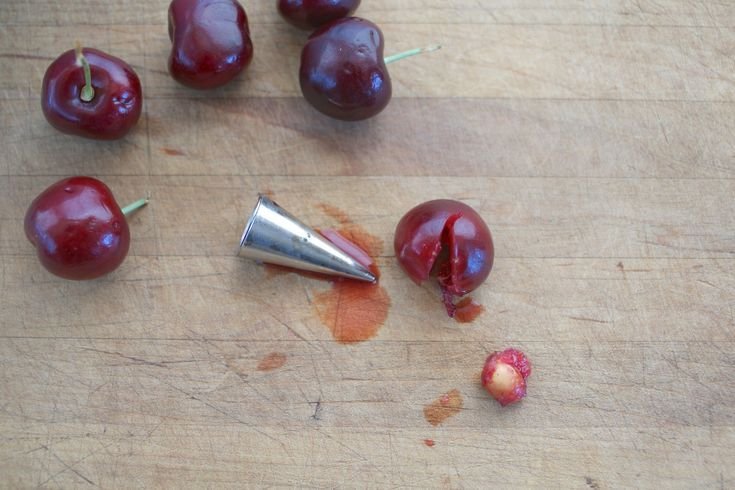
If the skin looks okay but the fruit feels soft, cut it open. Use a clean knife. Check flesh color, texture, and the area around the pit.
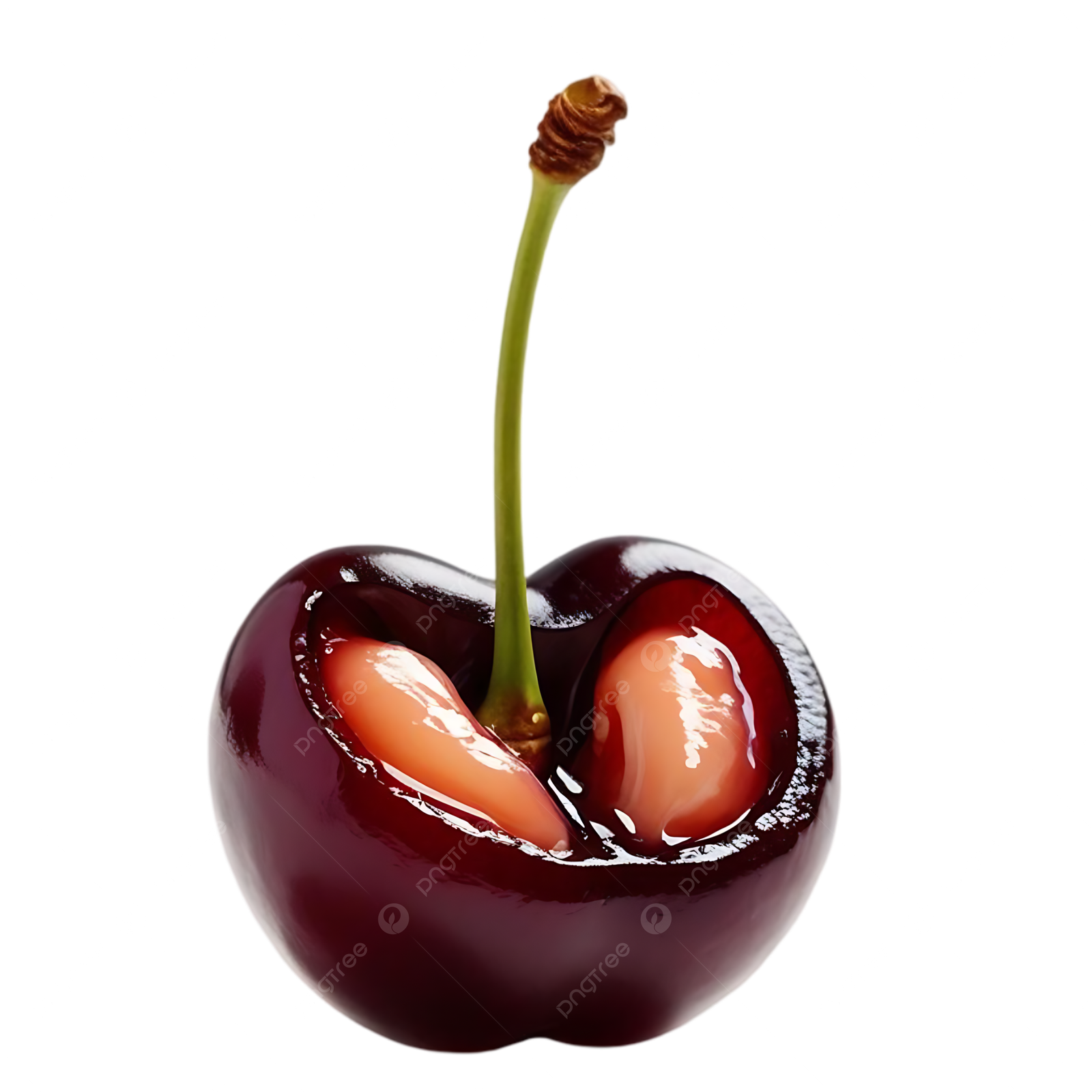
Cut the cherry from stem to pit if you can. This exposes the flesh path most defects follow. Look at the skin side, the middle flesh, and the pit cavity.
A quick sniff helps too. Fresh cherry flesh smells clean. Fermented flesh smells sour or boozy.
Brown, Translucent, or Water-Soaked Flesh
Normal cherry flesh should look even and juicy. It should not look glassy, gray, or wet in pockets. Brown flesh can come from a bruise, oxygen exposure, or internal breakdown.
Here is how to read it:
- Even color with firm texture: usually healthy
- Light brown patch under a bruise: mechanical damage
- Spreading brown flesh with soft texture: likely decay
- Translucent or glassy flesh: possible freezing injury or aging
- Water-soaked pockets: cell breakdown and higher spoilage risk
Color alone is not enough. Cut surface can brown from oxidation, just like an apple. That does not always mean spoilage.
Texture and smell confirm the call. A small brown area under a firm bruise can often be trimmed. If the brown area is soft, wet, or smells fermented, the cherry belongs in the discard pile.
Mushy Spots, Dry Pockets, and Damage Around the Pit
Mushy spots are more serious than dry discoloration. They often mean decay or insect feeding. Look for tunnels, frass, or tiny larvae.
A dry pocket may be an old injury. If it has no odor and the surrounding flesh is firm, it may be safe to trim.
If you see tiny white larvae, bag the fruit and remove it from the area. Do not compost infested fruit near orchard trees. Fruit fly larvae can survive in poorly managed piles.
Damage around the pit needs extra care. Brown flesh near the pit can come from overmaturity, internal browning, cold injury, or early rot. If the pit area is soft, leaky, or sour, do not taste it.
Throw the fruit out.
Healthy Cherry Flesh vs Damaged Cherry Flesh: What to Compare
Use a simple side by side check. Compare the whole fruit, the stem, the cut flesh, and the smell. This keeps you from tossing good fruit or keeping bad fruit.
| Feature | Healthy cherry | Damaged cherry |
|---|---|---|
| Skin | Smooth and bright or dull but intact | Cracked, sunken, leaky, or fuzzy |
| Stem | Green and attached | Brown, dry, missing, or moldy |
| Flesh | Even color and firm to juicy | Brown, translucent, mushy, or dry |
| Smell | Fresh and sweet | Sour, fermented, or musty |
| Best action | Eat, store cold, or pack | Sort, trim, use fast, or discard |
For shoppers, this table works at the store or after pick your own. For growers, it works at the sorting table. The same logic applies.
Separate cosmetic damage from safety damage. Then act fast.
A cherry with one dry hail mark can still be excellent. A cherry with a wet stem and sour smell is not a trimming job. When in doubt, choose the safer option.
The key is texture. Firm damage may be cosmetic. Soft damage is usually a safety call.
Soft fruit with visible mold should be discarded, not trimmed and eaten. That advice matches common produce safety guidance and keeps risk low.
Bruising, Cracking, Hail Scars, and Bird Pecks: Mechanical Damage ID
Mechanical damage is common in cherries. It often happens before harvest, during picking, or in transit. The good news is that many mechanical marks are not dangerous.
They do shorten shelf life. These mechanical problems often get confused. A bird peck can look like hail damage.
A hail scar can look like an insect sting. The best clue is the wound surface. Dry and stable usually means cosmetic.
Wet and spreading usually means trouble. Keep damaged fruit out of long storage. Mechanical wounds let moisture escape and microbes enter.
That is why bruised cherries soften faster than sound fruit.
Bruising
Bruising comes from impact or pressure. It may show as a soft spot, a flat area, or brown flesh under intact skin. If the bruise is shallow and firm, trim it.
If it is mushy or leaking, discard the fruit.
Cracking
Cracking usually happens when the fruit takes up water fast. Rain near harvest is a common trigger. The skin splits, and juice may leak.
Cracked fruit can still be good for quick eating, but it should not go into long storage.
Hail Scars
Hail scars often look dry, pitted, or rough. They may feel firm. If the scar is dry and the flesh below is sound, the damage is often cosmetic.
If the scar is sunken and soft, treat it as decay risk.
Bird Pecks
Bird pecks leave open wounds. They often remove a small plug of flesh. The fruit may still be usable if the wound is fresh and firm.
If the peck has turned brown, wet, or moldy, toss it.
A quick decision rule helps:
- Dry and firm: often cosmetic
- Wet and soft: higher decay risk
- Open wound plus heat or age: use fast or discard
- Nearby moldy fruit: remove the whole cluster from storage
Cherry Fruit Fly, Stink Bug, and Other Insect Feeding Signs
Insect damage often hides under small surface marks. Western cherry fruit fly, cherry fruit fly, and eastern cherry fruit fly can leave tiny stings or dimples. The real tell is inside the flesh.
Cut open suspicious fruit. Look for tunnels, creamy larvae, or dark frass near the pit. If you see larvae, bag the fruit and remove it from the batch.
Stink bug and plant bug feeding looks different. You may see shallow dimples, corky spots, or misshapen flesh. The skin may still look intact.
These marks are often cosmetic if the flesh below is firm. If the dimple is soft, brown, or wet inside, sort that cherry out.
A quick field rule helps:
- Small dry dimple with firm flesh: usually cosmetic
- Soft dimple with brown flesh: likely decay risk
- Larvae or tunnels: discard and sanitize the container
- Multiple stings in one bin: check trap counts and harvest timing
For growers, insect signs also guide the next season. Trap captures, egg stings, and larval counts matter more than guessing.
Brown Rot, Gray Mold, and Other Fungal Decay Patterns
Brown rot often starts as a firm brown spot. It can spread fast in warm fruit, especially after rain or skin cracks. In humid conditions, tan fungal growth may appear on the surface.
Gray mold shows as gray fuzzy growth. It usually enters through cracks, stem wounds, or bruised tissue. Alternaria fruit rot may appear as darker lesions, often near the stem or calyx end.
Fungal decay is not just a surface problem. The flesh under the spot often turns soft and watery. Once one cherry breaks down, it can spread decay to fruit touching it.
Use this visual pattern check:
- Brown rot: brown soft spot, sometimes tan sporulation
- Gray mold: gray fuzz at wounds or stem end
- Alternaria: dark decay, often stem-related
- General breakdown: sour smell, juice leak, mushy flesh
Remove decayed fruit immediately. Keep the rest cold and dry. Do not wash cherries before storage unless they will be dried well.
Internal Browning and Softening When the Skin Looks Fine
Sometimes the skin looks sellable but the flesh fails. This happens with internal browning, overmaturity, chilling injury, or heat stress. The cut-open test catches what the skin hides.
Internal browning may center near the pit. The flesh can look dull brown while still holding shape. If texture is firm and odor clean, it may be a quality defect rather than a safety issue.
Water-soaked or glassy flesh suggests cell breakdown. Freezing injury can make flesh translucent and soft after thawing. Overripe fruit may feel mealy, leaky, or flat.
Use smell and texture to decide. Clean smell plus firm flesh may allow trimming. Sour smell plus wet flesh means discard.
For growers, this pattern often points to harvest timing or cold-chain stress. Fruit picked too late or warmed too long can fail internally even with good skin color.
Common Visual Mistakes That Lead to Wrong Sorting Decisions
Most sorting mistakes come from judging skin alone. A pretty cherry can still have pit-area rot. A rough scar can still hide firm flesh.
Common errors include:
- Keeping cracked fruit for long storage
- Trimming mold from soft cherries
- Mistaking bird pecks for hail scars
- Ignoring juice in the container
- Assuming stemless fruit is automatically unsafe
Another mistake is slow cooling. Field heat speeds softening and decay. Growers should cool quickly after harvest.
Shoppers should refrigerate unwashed cherries and rinse just before eating.
Avoid batch thinking too. Remove damaged fruit first. Then reassess the rest.
One good habit is to sort by urgency, not perfection. Fruit with dry cosmetic marks can move to quick use. Wet, soft, or moldy fruit should leave the batch right away.
Eat, Trim, Cook, or Toss: A Practical Safety and Use Guide
Use texture and odor to decide. Firm fruit with small cosmetic damage can often be saved. Soft fruit with mold, fermentation, or insect larvae should go.
A practical decision guide:
- Eat now: firm flesh, clean smell, small dry scar
- Trim and eat: firm bruise under intact skin
- Cook soon: firm cracked fruit with clean flesh
- Toss: mushy, moldy, sour, or infested fruit
For cooking, cut away damaged tissue generously. Use firm fruit only. Do not use moldy fruit for jam, sauce, or home canning.
If you grow cherries, separate culls from market fruit at the tree. If you buy cherries, remove wet or leaking fruit before refrigeration. The goal is simple.
Save sound fruit fast and remove risky fruit faster.
Cold Storage, Orchard Sanitation, and Handling Fixes That Reduce Repeat Damage
Prevention starts before harvest. Pick cherries dry, handle gently, and cool them fast. Field heat shortens shelf life and speeds softening.
For home storage, keep cherries unwashed in the fridge. Rinse just before eating. Remove any leaking or moldy fruit first.
Growers get better results with hydrocooling or forced air cooling. Then keep fruit near 30 to 32°F and 90 to 95 percent relative humidity. Clean bins and sorting tables between uses.
Orchard sanitation also matters. Remove mummied fruit. Prune for airflow.
Track rain near harvest, fruit fly trap counts, and brown rot pressure.
Quick fix list:
- Cool within hours, not days
- Keep fruit dry before storage
- Sort culls at the tree
- Sanitize bins and pack lines
- Use rain covers or netting where pressure is high
Quick Visual ID Guide to Damaged Cherry Flesh
Use this table when you need a fast call. Look at the strongest clue first, then confirm with texture and smell.
| What you see | Likely cause | Action |
|---|---|---|
| Dry scar or shallow pit | Hail, limb rub, bird peck | Trim if firm |
| Wet crack with juice | Rain crack or handling break | Use soon or toss if soft |
| Brown spot with tan fuzz | Brown rot | Discard fruit |
| Gray fuzz at stem | Gray mold | Discard fruit |
| Tiny sting plus larvae | Cherry fruit fly | Bag and remove fruit |
| Dull brown flesh near pit | Internal browning | Judge by smell and texture |
This guide gives a starting point. It is not perfect. When the fruit smells fermented or feels wet inside, choose disposal over trimming.
FAQs About Brown, Soft, Cracked, or Bug-Damaged Cherries
Are cherries with brown flesh safe to eat?
A small firm brown bruise can be safe after trimming. Cut away the damaged tissue and check the rest. If the brown flesh is soft, wet, or sour, toss the cherry.
Brown color near the pit needs extra caution. When in doubt, discard it.
Can you eat cherries with cracks?
Yes, if the crack is dry and the flesh underneath is firm. Cracked cherries spoil faster because the skin no longer protects the fruit. Eat them quickly and keep them cold.
Discard cracked fruit that leaks, smells sour, or shows mold.
What does cherry fruit fly damage look like?
It often starts as a tiny dimple or sting on the skin. The bigger clue is inside the fruit. Cut open suspicious cherries and look for tunnels, creamy larvae, or dark frass.
If you find larvae, remove the fruit and clean the container.
Should you wash cherries before storing them?
No. Store them dry and rinse just before eating. Extra moisture can speed mold and breakdown, especially around cracks or stem wounds.
Remove damaged cherries first, then keep the rest cold in a ventilated container. Do not leave them at room temperature for long.