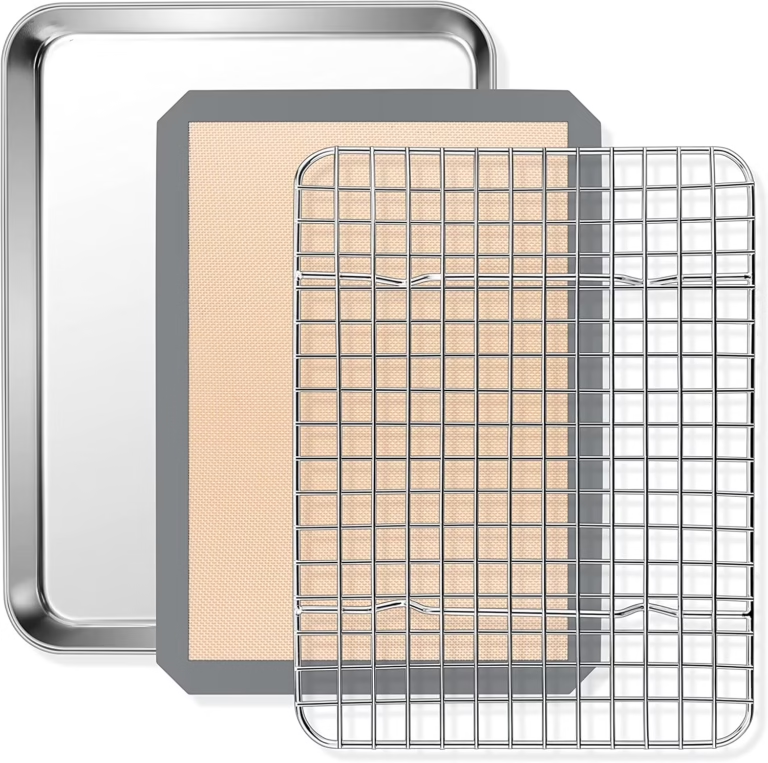
Why Silicone Baking Mats Leave White Residue & How to Fix
Finding that your silicone baking mat leaves white residue after a wash or a bake is incredibly common. We have tracked this exact issue across hundreds of home and commercial baking setups. The chalky film is rarely a material defect.
It usually forms from hard water minerals, alkaline detergent films, or thermal aging.
Manufacturer specifications confirm that platinum-cured silicone maintains its structural integrity at temperatures up to 480°F (250°C) when used correctly. Any visible deposit you encounter stems from surface accumulation rather than polymer breakdown. You simply need to run a quick texture test to isolate the exact source.
Quick Answer
Your silicone baking mat leaves white residue because of external buildup. Hard water minerals bond to the nonstick surface over time. Alkaline dishwasher detergents leave a waxy soap film.
Extreme heat forces internal compounds to the top layer. You can safely remove all three with targeted cleaning steps.
Why Silicone Baking Mats Leave White Residue
Food-grade silicone is a synthetic polymer built for high-heat cooking. The material is completely hydrophobic and nonporous. It repels water and resists bacterial growth.
That stable surface is exactly why kitchens trust it for repeated use.
The white coating you see never comes from internal breakdown. It is always an external substance bonding to the top layer. Water hardness drives most of this buildup.
Municipal supplies with dissolved calcium leave chalky mineral films. Dishwasher pods deposit alkaline soaps. Extreme oven heat pushes microscopic polymer chains upward.
Regulatory frameworks like FDA 21 CFR §177.2600 govern repeated food contact. These standards verify material safety under normal operating temperatures. The visible residue is purely a maintenance puzzle.
You solve it by isolating the exact source first. Aggressive scrubbing on the wrong deposit ruins the nonstick finish.
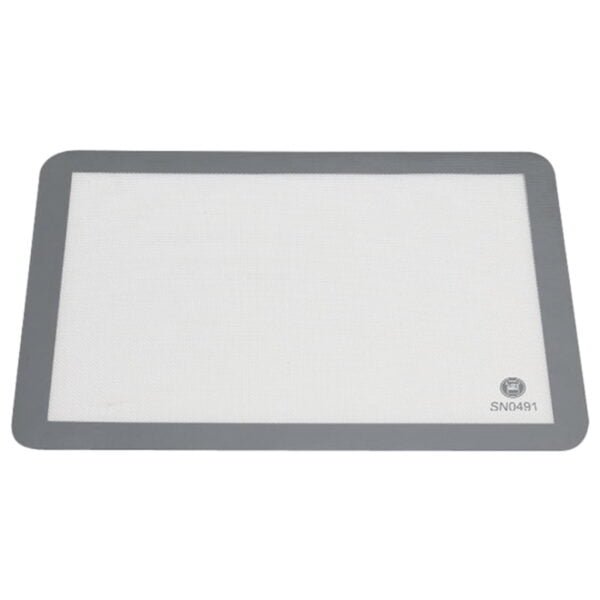
Proper diagnosis protects your gear from unnecessary wear. We will walk through the exact testing steps next. You only need thirty seconds and a dry fingertip.
Modern kitchen chemistry explains why this happens, and as of 2026, manufacturer guidelines still prioritize gentle pH-neutral cleaning over harsh solvents.
Quick Diagnostic: Match the Texture to the Cause
The fastest way to fix the problem starts with a simple texture check. You can identify the root cause by how the film feels under your thumb. Different substances leave distinct physical signatures on cured silicone.
The 30-Second Touch & Feel Test
Run your dry finger across the stained area before adding any cleaners. Note the exact grit and sound. You are listening for clues, not just looking for color.
A rough scrape means dissolved minerals. A powdery smear means flour dust or migrated siloxanes. A slick waxy patch means trapped soap scum.
Here is the exact breakdown you can reference during testing.
| Residue Feel | Primary Cause | Visual Clue | Immediate Action |
|---|---|---|---|
| Gritty or rough | Calcium and magnesium scale | White rings or speckles | Acid descale soak |
| Powdery or chalky | Baked flour dust or oligomer migration | Uniform dull haze | Warm wash and dry |
| Waxy or slick | Dishwasher alkaline film | Cloudy streaks near edges | pH-neutral hand wash |
Matching Residue Type to Your Cleaning & Water Setup
Once you know the texture, check your kitchen variables. If the deposit feels gritty, then you likely live in a hard water zone. USGS data shows that over 85 percent of households have moderate to hard tap water.
Unfiltered municipal lines deposit minerals during every rinse cycle. You can verify your local levels with simple test strips.
If the patch feels waxy, then your dishwasher detergent is too alkaline. Modern pods replace phosphates with stronger alkaline builders. Those compounds bond tightly to silicone micro-pores when air dried.
You must switch your washing method immediately. A waxy film blocks heat transfer and ruins release properties.
If the surface feels dry and chalky, then heat exposure or flour dust is the culprit. Baking at temperatures near the upper limit accelerates surface aging. Trapped baking powder or cornstarch also bakes into the finish.
You will address each branch in the sections below.
Branch 1: Hard Water Scale & Calcium-Magnesium Buildup
Calcium and magnesium salts crystallize during the drying phase. The process mirrors kettle scaling or glass shower door deposits. Hard water leaves behind calcium carbonate every time it evaporates.
These minerals bond chemically to the fiberglass mesh underneath the silicone skin.
You will notice scale forming faster in areas with high total dissolved solids. A reading above 120 parts per million triggers visible buildup. Air drying guarantees these crystals stay trapped.
Towel drying leaves lint and pushes minerals deeper into the texture. You need a controlled rinse routine.
If your water tests hard, then you need a mild acid bath to reverse the bond. White vinegar works perfectly at a one-to-one ratio with warm water. The acetic acid dissolves the carbonate structure without attacking the silicone polymer.
You simply need to control the soak time to protect the finish.
Follow these exact steps for mineral removal.
- Fill a shallow basin with equal parts distilled white vinegar and warm water.
- Submerge the mat fully and press down to remove air pockets.
- Wait exactly twenty to thirty minutes.
- Scrub gently with a soft microfiber cloth.
- Rinse thoroughly under cool tap water.
- Air dry completely before storage.
If the scale is older than six months, then a citric acid powder solution will work faster. Citric acid penetrates thick deposits more aggressively than vinegar. Always stick to a maximum soak time of thirty minutes.
Prolonged acid exposure dulls the factory finish and reduces nonstick performance over time.
Branch 2: Dishwasher Alkaline Film & Detergent Scum
Dishwasher detergents rely on high pH levels to break down fats. The chemistry works beautifully on glass and ceramic. It causes serious adhesion problems on food-safe silicone.
Alkaline compounds fuse into microscopic surface irregularities during the wash and dry cycles.
You can confirm detergent scum by checking the mat edges first. The film usually builds thickest along the reinforced borders. Water pools there during the final rinse phase.
Detergent residue concentrates in those low points. The waxy layer blocks natural nonstick release and alters browning patterns.
If you rely on automated dishwashing, then you must change the rinse protocol immediately. High-heat drying cycles bake the alkaline film into a permanent glaze. You should only use the rinse cycle with heated drying disabled.
Hand washing remains the safest routine for silicone bakeware.
Follow this recovery method for soap buildup.
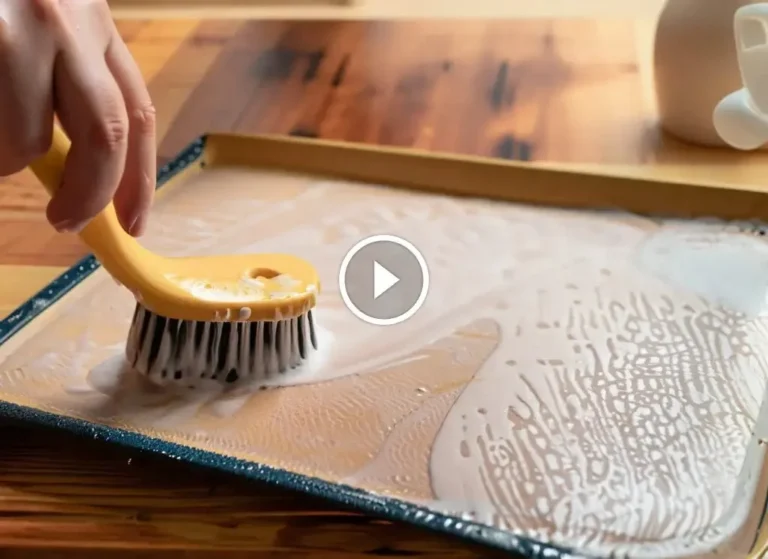
- Wash the mat with a few drops of mild dish soap and warm water.
- Rub the surface with your palms to lift trapped alkalines.
- Rinse under a strong stream of cool water for thirty seconds.
- Pat dry with a clean towel or hang to drip dry.
- Store flat to prevent edge creasing.
If you own a water softener, then your risk drops significantly. Softened water carries fewer reactive ions that bond with detergent builders. You still must avoid heavy-duty scrub pads.
Steel wool and abrasive sponges carve permanent grooves into the surface. Those grooves hold soap residue forever.
Branch 3: Overheating & Siloxane Oligomer Migration
Platinum-cured silicone handles high heat exceptionally well. It breaks down only when exposed to temperatures far beyond normal baking ranges. Exceeding the 480°F (250°C) threshold triggers a chemical shift.
Long polymer chains snap into smaller molecules called siloxane oligomers.
These tiny molecules migrate upward through the material. They pool on the top surface as a dry chalky film. You often see this after roasting vegetables or baking pizza at maximum oven settings.
Oven calibration errors make this risk worse. A dial reading 450°F frequently runs closer to 525°F. You need an independent thermometer to verify actual heat.
If you suspect thermal migration, then you must verify your actual oven temperature first. Place a reliable standalone thermometer on the middle rack. Run the oven to your target setting for ten minutes.
Check the dial against the internal reading. A variance greater than twenty-five degrees requires professional calibration or dial adjustment.
You can safely remove migrated siloxanes with a warm soapy wash. The residue is surface-level and fully non-toxic. Food safety agencies confirm that minor siloxane presence poses no health risk during standard baking.
The film only affects your food release quality and baking consistency.
- Preheat your oven no higher than 400°F (204°C) for the next few uses.
- Wash the mat with pH-neutral soap and a soft sponge.
- Rinse completely and air dry flat.
- Lightly brush the surface with a neutral oil if recipes require it.
If the chalky layer returns after a single high-heat cycle, then the mat has reached its thermal limit. Fiberglass cores degrade slowly over years of extreme exposure. Surface dullness becomes permanent at that point.
You will need to replace the liner to restore reliable baking results.
Step-by-Step Removal Workflow for Each Condition
You need a systematic approach to clear the residue safely. The exact method depends entirely on the texture test results. Start by clearing your sink space and gathering mild supplies.
Warm water, a soft microfiber cloth, and a pH-neutral dish soap cover most scenarios. Avoid chemical sprays and harsh degreasers completely.
If your diagnostic points to mineral scale, then you will run an acid bath. Mix one cup of white vinegar with one cup of warm water. Submerge the mat for twenty minutes.
The acetic acid breaks the calcium carbonate bond without scratching the polymer. Gently wipe the surface and rinse immediately. Let it air dry flat on a clean rack.

If the film feels waxy or soapy, then alkaline residue is the culprit. Skip the dishwasher entirely for this cycle. Wash the mat by hand using warm water and a few drops of mild liquid soap.
Rub the surface gently with your fingers. Rinse under cool running water for thirty full seconds. Pat dry with a lint-free towel to prevent streaking.
If the residue is powdery from heat or flour, then a standard wash works. Soak the mat in warm soapy water for ten minutes. Use a soft nylon brush to lift trapped baking dust.
Rinse thoroughly and place it on a flat counter to dry. Do not fold or roll the mat until it feels completely dry to the touch.
Common Cleaning Mistakes That Etch or Degrade the Surface
Aggressive cleaning habits cause more permanent damage than the residue itself. Many home cooks reach for steel wool or green scouring pads to remove stubborn white patches. Those abrasive materials carve microscopic scratches into the silicone finish.
The grooves trap water, soap, and baking oils permanently. Your nonstick performance drops with every pass.
Bleach and chlorine-based cleaners destroy food-safe polymer structures over time. The harsh chemicals break down the platinum-cure bonds that give the mat its flexibility. You will notice the surface becoming brittle and prone to cracking after repeated exposure.
Stick strictly to mild detergents and white vinegar solutions for all cleaning cycles.
Leaving mats wet while folded traps moisture inside the reinforced layers. The damp environment encourages microbial growth and accelerates fiberglass core degradation. Always dry the sheet completely before storage.
If you notice persistent musty odors or sticky spots after washing, the surface seal is compromised. You should switch to a fresh liner at that point.
Oven cleaner fumes also damage silicone liners during self-cleaning cycles. The extreme heat and caustic vapors strip the factory release coating. Remove all mats before running high-heat oven cleaning modes.
Store them in a separate drawer or cabinet away from chemical cleaners. Proper chemical isolation preserves the food-grade finish for thousands of uses.
Decision Guide: Deep-Clean, Salvage, or Replace Your Mat
Not every stained mat deserves a spot in your rotation. You can make a clear call by checking three physical markers. Surface flexibility remains intact if the mat bends smoothly without cracking.
The color returns to a uniform matte finish after proper washing. The edges stay perfectly flat without curling or lifting.
If the sheet passes all three checks, then you should deep-clean and keep it. A thorough acid or soap soak will restore full nonstick function. You only need to reset your washing routine afterward.
Avoid the dishwasher entirely if your tap water tests above 120 ppm. Hand washing with immediate drying guarantees long-term surface stability.
If the mat shows visible cracks, permanent curling, or a sticky residue layer, then you should replace it. Structural breakdown means the fiberglass mesh has separated from the silicone skin. Cracked liners trap bacteria and release uneven heat during baking.
The material loses its thermal consistency once the core integrity fails. Discard damaged sheets immediately for food safety.
If the surface remains intact but feels permanently slick and chalky after cleaning, then you should retire it for prep work only. Heat aging often dulls the release properties without compromising safety. You can safely use older mats for rolling fondant or kneading dough.
Switch to a fresh high-heat rated liner for direct oven baking.
Long-Term Prevention & Storage Optimization
Preventing buildup requires adjusting your daily kitchen habits. Water hardness dictates your washing strategy in hard-to-see ways. You should test your local supply once every year to track mineral levels.
Adjust your cleaning routine when readings cross into the hard range. Simple habit changes stop the white film before it bonds to the surface.
| Maintenance Action | Frequency | Purpose |
|---|---|---|
| Hand wash after each use | Every bake | Prevents alkaline soap buildup |
| Vinegar descale soak | Monthly (if hard water) | Dissolves calcium carbonate films |
| Flat air dry | Every wash | Prevents moisture trapping and odor |
| Oven temp verification | Quarterly | Prevents thermal degradation |
Store the mats completely dry in a cool, shaded cabinet. Avoid stacking heavy pans directly on top of rolled sheets. Constant pressure flattens the anti-static factory finish and creates permanent creases.
Those creases collect flour and trap grease during subsequent baking sessions. Use a vertical file organizer or a wide drawer to keep them perfectly flat.
Pre-treat sticky recipes with a light coating of neutral oil before baking. Heavy sugar syrups and caramelized nuts bond tightly to bare silicone. A thin oil barrier simplifies cleanup and prevents thermal residue.
Wash the mat immediately after it cools to room temperature. Waiting overnight allows baked-on residues to cross-link with the polymer surface.
Food Safety & Compliance Standards for Silicone Bakeware
Food contact safety relies on strict migration limits and curing standards. Platinum-cured silicone meets FDA 21 CFR §177.2600 requirements for repeated use. This regulation ensures that no harmful leaching occurs at normal baking temperatures.
Reputable manufacturers test their liners against specific migration limits for volatile compounds. You can verify compliance by checking for LFGB certification marks on premium products.
Regulatory agencies confirm that minor siloxane migration poses zero toxicity risk during standard cooking. The compounds are chemically inert and pass through the digestive system unchanged. The white film you encounter during cleaning is purely a surface accumulation issue.
It never indicates chemical contamination or polymer toxicity. You should still maintain strict hygiene protocols for all food prep surfaces.
Never expose silicone liners to open flames or direct broiler elements. Direct combustion heat exceeds the material thermal rating instantly. The breakdown produces visible smoke and alters the surface chemistry permanently.
Always place the mat on a sturdy metal baking sheet. The pan acts as a heat shield and ensures even temperature distribution across the entire surface.
For the latest guidance on food-contact material safety, you can review official documentation from the FDA and international health authorities. Those standards outline safe temperature ranges and migration testing protocols. Following established compliance guidelines guarantees your baking routine remains both effective and secure.
Proper maintenance keeps your gear performing safely for years.
Frequently Asked Questions
Can I put my silicone baking mat in the dishwasher?
Most manufacturers advise against machine washing for silicone bakeware. Dishwasher detergents contain highly alkaline compounds that leave waxy films on the surface. The intense heat drying cycles also accelerate thermal aging and edge curling.
Hand washing with mild soap preserves the nonstick finish and prevents permanent residue buildup.
Does white residue mean the mat is toxic?
No, the white film is never toxic. It consists entirely of harmless mineral deposits, dried soap scum, or inert polymer byproducts. Food-grade silicone is designed to handle high heat without releasing dangerous compounds.
The residue only affects baking performance and food release quality, not food safety.
How do I know if my tap water is causing the film?
You can verify your local hardness with a simple test strip or TDS meter. Readings above 120 parts per million classify as hard water and trigger mineral scaling. Visible white rings on glassware and coffee makers confirm high calcium levels.
If your area tests hard, you should switch to a vinegar descaling routine for your mats.
Can I use baking soda to scrub off the white patches?
Baking soda works as a mild abrasive but requires careful application. Mix it with water to form a thin paste instead of using dry powder. Rub the paste gently with a soft cloth to lift surface deposits.
Rinse thoroughly to prevent gritty sodium bicarbonate from baking into the silicone during your next oven cycle.
Should I store the mats rolled or flat?
Flat storage preserves the structural integrity of the fiberglass core. Rolling creates permanent tension along the inner curve that leads to cracking over time. If drawer space is limited, you can hang the mat vertically using a smooth clip.
Avoid tight folds and never stack heavy cookware directly on top of the liner.
Checking Oven Rack Placement
Keep the rack centered to avoid direct heating element exposure. Off-center placement causes uneven browning and localized heat stress. Use the middle rack setting for all high-sugar recipes.
Handling Sticky Dough Residue
Scrape excess dough with a silicone spatula before washing. Warm water loosens trapped flour faster than cold rinses. Never freeze mats with active dough clinging to the surface.
Upgrading to Fiberglass-Reinforced Liners
Choose reinforced versions if you bake heavy doughs daily. The internal mesh prevents stretching and distributes thermal load evenly. Solid sheets work better for lightweight cookie baking.
Tracking Bake Cycle Lifespan
Expect reliable performance for roughly eight hundred to two thousand cycles. Mark your calendar when the surface loses its natural matte sheen. Replace liners once nonstick release consistently fails.
Final Storage Protocol
Store mats away from direct sunlight to prevent UV degradation. Keep them separated from sharp utensils that can puncture the surface. A dedicated drawer maintains their flat shape indefinitely.