Which Cherry Pitter Is Easiest to Clean? See the Winner
Which Cherry Pitter Is Easiest to Clean? The answer usually comes down to how many parts touch fruit and juice. A smooth plunger body rinses in seconds, while a hinged lever model can trap pulp.
If you hate scrubbing tiny crevices, design matters more than pitting speed.
In our research, the easiest models have one to three main food contact parts. Complex lever units can have four or more small parts. Manufacturer specs often separate top rack dishwasher safe bodies from hand wash only springs.
That difference sets up the first thing to check before you buy.
Which Cherry Pitter Is Easiest to Clean? See the Winner
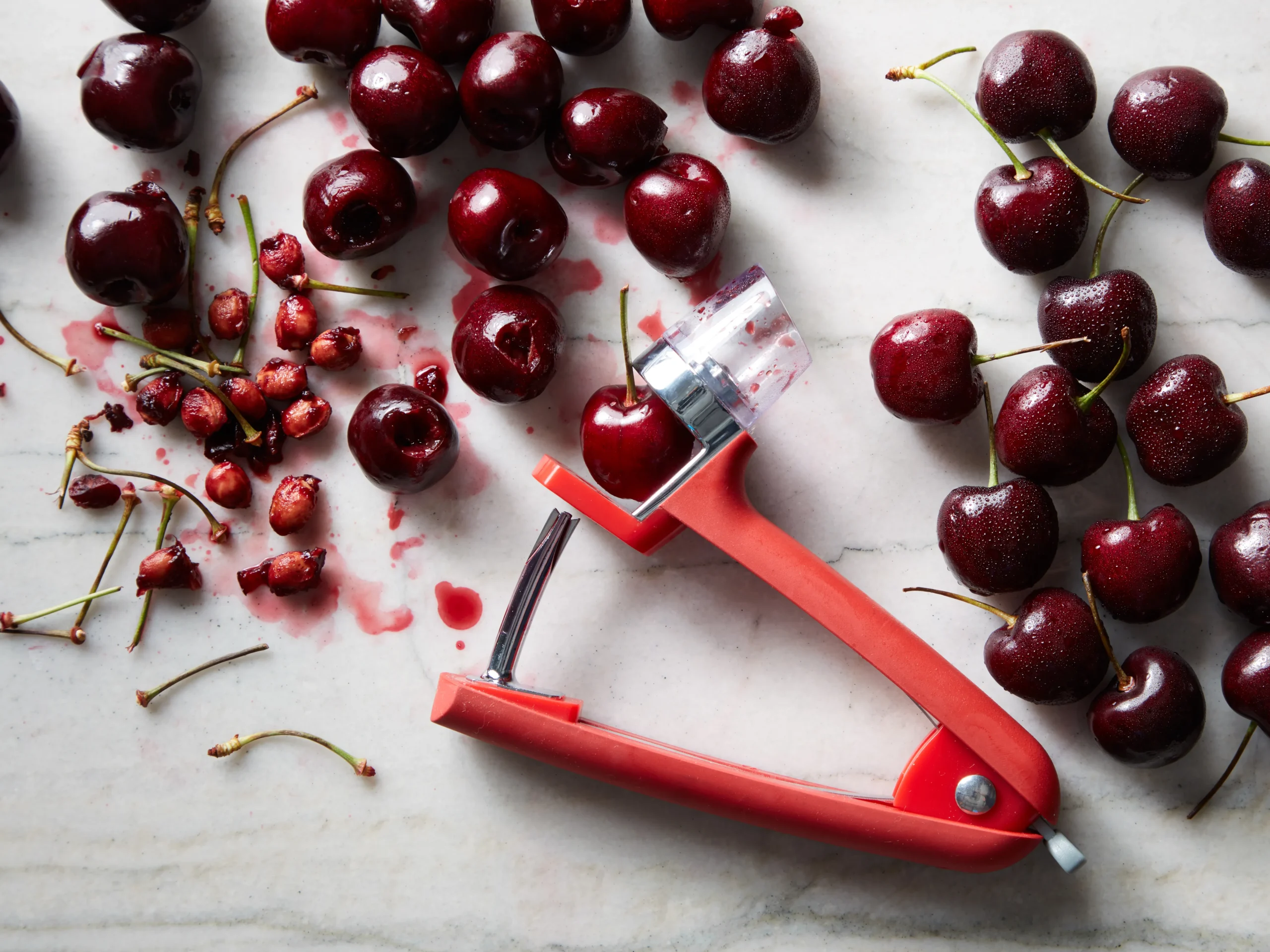
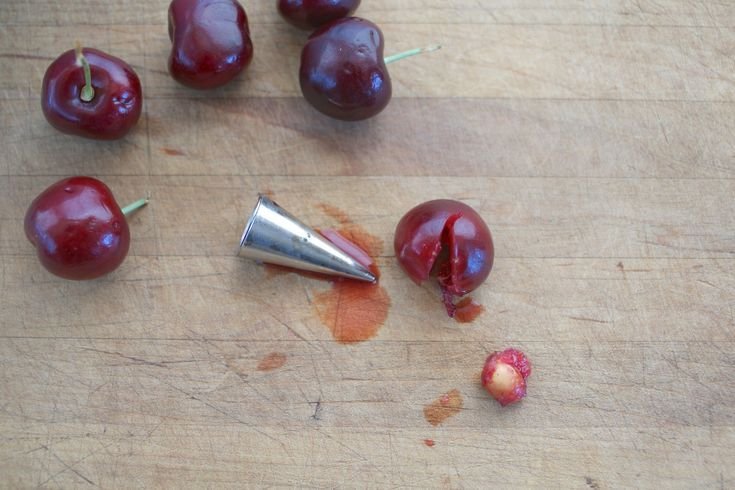
Image source: Bing (Web (fair-use with source credit))
Quick Answer
Which Cherry Pitter Is Easiest to Clean? A smooth one-piece plunger model. It has few seams.
Juice rinses through fast. Dishwasher-safe parts help.
Why "Easiest to Clean" Matters More Than Pitting Speed
A fast pitter feels great for ten cherries. The mood changes when juice dries on a hinge. Aggregate reviews repeatedly mention cleanup as the reason people stop using a cherry pitter.
The tool is small, but the crevices are not.
Cherry juice is high in sugar and pigment. It turns sticky as it dries. It can stain plastic and leave residue in springs.
That residue can attract dust and food particles if the tool goes back in a drawer.
Cleanup effort also affects food safety habits. A tool that rinses clean gets washed right away. A tool with trapped pulp gets put off.
That delay can lead to dried residue and harder scrubbing later.
This is especially true during cherry season. A pitter may sit out for an hour while you fill bowls. During that time, sugar residue firms up.
A quick rinse right away is much easier than a soak later.
- Smooth bodies need only a quick rinse.
- Hinged levers need a hinge check.
- Springs and splash guards add wash time.
- Dishwasher-safe parts reduce effort.
If you pit cherries for pie once a month, cleanup speed may matter more than output. If you can twenty pounds in a day, disassembly time becomes a real cost. That is why the easiest pitter is not always the fastest one.
What Makes a Cherry Pitter Easy to Clean?
A cherry pitter, also called a cherry stoner, is a small tool that pushes the pit from the fruit. A pitter is easy to clean when juice and pulp can leave the tool without entering hidden spaces. The best models use open chutes, smooth bores, and parts that separate by hand.
If you need a tiny brush for normal cleanup, the design is working against you.

Image source: Bing (Web (fair-use with source credit))
A good test is to look at the tool from the juice path. Start where the cherry sits. Follow the pit as it exits.
Every corner, screw, and spring in that path needs cleaning.
Part Count, Seams, and Juice Traps
Fewer parts usually mean faster cleanup. A simple plunger pitter may have only a body, plunger, and small splash guard. A lever pitter can add a hinge pin, spring, pivot, and separate fruit cup.
Each extra joint is a place where cherry pulp can lodge.
Seams matter as much as parts. A molded body with a smooth interior flushes clean under a faucet. A body with ribs, threads, or tight corners holds residue.
If the pit chute is narrow, pulp can pack inside it.
Look for parts you can separate without tools. Snap apart splash guards are better than fixed shields. Removable springs are helpful, but only if they are easy to dry.
A spring that stays wet can rust or trap odor.
Small parts also create a second problem. They can fall into the sink or dishwasher rack. A pitter with fewer loose pieces is less likely to lose a spring or splash guard.
That matters if you clean in a small sink.
Materials, Rust Resistance, and Dishwasher Safety
Stainless steel pit rods resist rust better than thin plated steel. Plastic bodies are light and cheap, but rough plastic can stain. Clear plastic can show residue, which helps you clean it.
Opaque plastic may hide film in crevices.
Manufacturer care guides often list top rack dishwasher safe bodies. They may still require hand washing for springs and small metal parts. Dishwasher heat can warp thin plastic.
Detergent can also dull soft plastic over time.
Hard water can leave mineral spots on steel and plastic. A quick hand dry helps. This is most important for springs and pit rods.
Trapped water speeds rust on lower grade steel.
Food contact materials should follow U.S. Food and Drug Administration guidance. For commercial style equipment materials, NSF International publishes the NSF/ANSI 51 standard.
These references matter most when you care about material safety and long term durability.
The Main Cherry Pitter Types, Judged by Cleanup
The main pitter styles differ less by how well they remove pits and more by how much surface area gets dirty. Handheld plunger models keep the mess small. Batch models move more fruit, but they also move more juice through more parts.
Your best choice depends on how many cherries you process at once.
Plunger Handheld Cherry Pitters
Plunger handheld cherry pitters are usually the easiest to clean. The cherry sits in a cup, and a plunger pushes the pit out through the bottom. Juice stays close to the fruit path.
There is often no large hopper or crank to wash.
- Best for small batches and snack prep.
- Usually have the fewest food contact parts.
- Often rinse clean under a faucet.
- Can feel slow for jam sized jobs.
The main weakness is splash. Some models send juice out the bottom with the pit. A splash guard helps, but it adds one more part to rinse.
If the guard is removable and smooth, the tradeoff is worth it.
Avoid plunger pitters with textured grips near the fruit cup. Texture can hold juice. Smooth plastic or steel wipes clean faster.
A locking loop is useful, but it should not create a hidden pocket.
Squeeze-Lever Cherry and Olive Pitters
Squeeze-lever cherry and olive pitters work like pliers. They are common as cherry, olive, and date tools. The lever action can be quick, but the hinge and spring create more cleanup points.
Juice can creep into the pivot area.
- Best for occasional mixed use with olives or dates.
- Often include a locking loop for storage.
- Need careful hinge rinsing after sticky fruit.
- May stain more easily if made from rough plastic.
These pitters can still be low fuss if the pivot opens wide. Models with smooth, exposed hinges beat models with enclosed lever housings. If the spring cannot be removed, rinse it while the residue is still wet.
If the pitter is labeled for cherries and olives, check the size range. Small olive pitters may crush large sweet cherries. Crushed fruit releases more juice.
More juice means more splatter and more washing.
Tabletop Clamp Cherry Pitters
Tabletop clamp cherry pitters are built for volume. You feed cherries into a hopper or bowl, push a lever, and pits drop into a tray. This speeds up pie and jam prep.
It also creates more surfaces to wash.
- Best for canning, freezing, and large batches.
- Usually include a clamp, bowl, chute, and plunger assembly.
- Need full disassembly after each session.
- Take more drying time than handheld tools.
Cleanup is manageable if the parts are dishwasher safe. The clamp area can collect juice drips. Check the underside of the base and any screw threads.
Dried cherry residue on threads can make reassembly annoying.
A dishwasher can help with batch pitter parts. Still, you should check the clamp threads and underside. Juice often drips there first.
Dried drips can make the clamp sticky the next time you use it.
Rotary Crank Cherry Pitters
Rotary crank cherry pitters are the fastest for very large quantities. They often resemble small apple peelers or berry processors. The tradeoff is a longer parts list.
You may need to wash a hopper, crank, feed chute, pit chute, and collection tray.
- Best for serious seasonal preserving.
- Highest cleanup effort among common home pitters.
- Need attention around the crank shaft and feed chute.
- Best stored fully dry to prevent trapped moisture.
If you only make one or two pies a year, this style may create more cleanup than it saves. If you process pounds of cherries each week in season, the speed can justify the sink time. The key is whether the unit comes apart without fiddly screws.
Look for a crank that removes without tools. Also check whether the chute is wide enough for a bottle brush. Tight curved chutes are hard to rinse.
They can hold pulp near the cutting or pitting point.
Side-by-Side Cleanability Comparison
The table below compares the common styles by the factors that actually affect cleanup. Part count and drying time matter more than advertised speed.
Cleanability is not just about washing. It is also about drying. A tool that stays wet in a drawer can develop odor or surface rust.
Open designs usually dry faster.
| Cherry pitter type | Parts that touch juice | Cleanup effort | Best for |
|---|---|---|---|
| Plunger handheld | Body, plunger, small splash guard | Low | Small batches and quick snack prep |
| Squeeze lever | Body, lever, spring, pit rod | Medium | Occasional pitting with olives or dates |
| Tabletop clamp | Bowl, chute, plunger, clamp parts | Medium to high | Jam batches and home canning |
| Rotary crank | Hopper, crank, chute, pit tray | High | Large seasonal preserving |
As of 2026, basic handheld pitters usually cost about $8 to $30. Batch pitters often cost $25 to $50. The cleanup gap is often bigger than the price gap.
If you only pit cherries a few times a year, a simple plunger model is usually the least frustrating choice. If you put up cherry jam every summer, a tabletop model may save pitting time, but you'll pay for that time at the sink.
If storage space is tight, favor tools that lock closed. If you use a dishwasher, favor tools with thick plastic and stainless steel parts. Thin plastic may warp.
Small springs may vanish.
Best Cherry Pitter by Use Case
The best pitter depends on batch size more than anything else. A tool that feels perfect for a snack bowl can become annoying during a canning session. Choose based on how many cherries you usually prep at once.
| Use case | Best type | Why cleanup stays easier |
|---|---|---|
| Fresh snacks and lunch boxes | Plunger handheld | Few parts and quick rinse |
| One pie or crumble | Plunger or small squeeze lever | Low volume means little juice buildup |
| Jam, preserves, or freezing trays | Tabletop clamp | Faster pitting, but more parts to wash |
| Large seasonal canning | Rotary crank or large tabletop | Speed matters, cleanup takes longer |
| Mixed pitting for olives or dates | Squeeze lever combo | Versatile, but hinge needs attention |
If you pit sweet cherries like Bing or Rainier, choose a wider fruit cup. Large fruit can split and spray more juice. If you pit smaller sour cherries like Montmorency or Morello, a narrow cup can hold them better.
Less crushing means less splatter.
What if you have limited hand strength?
A smooth lever pitter may feel easier than a stiff plunger. Still, the cleanup cost is higher. Look for a lever model with an open hinge and a removable spring.
If the spring is sealed or hidden, skip it.
For arthritis or weak grip, a tabletop clamp pitter can reduce repeated squeezing. You get a longer lever and a stable base. The tradeoff is more washing and drying time.
Pick based on which task bothers you more, pitting effort or sink time.
Common Mistakes That Make Cherry Pitters Harder to Clean
Most cleanup problems start before washing. Cherry juice dries fast. Sugar turns into a light glue.
Pigment can stain soft plastic.
Avoid these mistakes:
- Letting the pitter sit until the juice dries.
- Washing it fully assembled.
- Skipping the hinge and spring.
- Storing it locked while damp.
- Using a dishwasher for parts not marked dishwasher safe.
- Scratching plastic with abrasive pads.
Scratches are a hidden problem. Rough plastic holds fruit film. It becomes dull and harder to rinse.
A gentle dish brush is usually better than steel wool or harsh scouring pads.
What if the pitter is already sticky?
Soak it in warm soapy water for five to ten minutes. Do not force the plunger if pulp has dried around the rod. Let the water soften the residue first.
Then pull the parts apart gently.
If a spring stays stiff, work it under running water. Move the plunger back and forth slowly. This flushes trapped sugar.
Dry the spring right away.
How to Clean a Cherry Pitter Fast After Pitting
Fast cleanup is mostly timing. Rinse the pitter while the juice is still wet. That can take less than thirty seconds.
A delayed wash can take several minutes.
Use this quick routine:
- Fill a bowl with warm water while you pit.
- Rinse the fruit cup and pit chute under warm running water.
- Remove the splash guard, plunger, or spring if your model allows it.
- Brush the chute with a small bottle brush or dish brush.
- Shake off water and leave the parts separated.
For a handheld plunger, this is often enough. For a lever pitter, pay extra attention to the pivot. Juice likes to collect there.
Open and close the handles while rinsing.
What if you are pitting a large batch?
Set up two bowls. One gets clean cherries. The other gets pits and juice.
Rinse the pitter every few minutes, not at the end. This prevents dried pulp from building up in the chute.
Keep a small brush at the sink. A brush with stiff nylon bristles works well. It reaches narrow openings without scratching most plastic.
Use it before residue sets.
Dishwasher Safety, Hand Washing, and Hard Water Issues
Dishwasher safe does not always mean every part is safe. Manufacturer specs often allow the plastic body on the top rack only. Springs, clips, and thin metal rods may need hand washing.
Heat can warp plastic. Detergent can dull clear parts over time.
Check the packaging or care sheet. If it says top rack only, keep parts away from the heating element. If it does not mention the dishwasher, hand wash it.
That is the safer default for small springs and hinges.
Hard water can leave white mineral spots on steel and plastic. These spots are not cherry residue, but they can trap film. Drying with a cloth helps more than air drying alone.
How do you remove hard water film?
Soak parts in warm water with a little white vinegar for five minutes. Then wash with normal dish soap. Rinse well.
Dry metal parts completely.
Do not leave steel springs soaking overnight. Prolonged soaking can speed rust on lower grade metal. If you see orange spots, the part may be corroding.
Replace the pitter or the affected part if possible.
Long-Term Care to Prevent Mold, Rust, and Stuck Pulp
Long term care is mostly about moisture control. A dry pitter rarely develops odor or rust. A damp pitter stored in a drawer can smell musty by next season.
After washing, separate all parts. Let them air dry on a rack. Do not lock the handles or close the storage loop until everything is dry.
Trapped moisture is the main cause of mildew smells.
Inspect the tool before storage. Look for dark specks in seams, rust on the spring, and cracks in plastic. Cracked plastic can harbor food residue.
If a part is cracked, replace the tool.
How often should you deep clean it?
Deep clean at the end of cherry season. Wash all parts, soak removable plastic briefly, and dry fully. Then store it open in a dry drawer.
This matters if the pitter sits unused for months.
If you use the pitter weekly in season, a monthly check is enough. Look at the hinge, spring, and pit chute. Wipe away dust and dried juice.
A clean tool stays faster to rinse next time.
Final Verdict: Choose the Cherry Pitter You’ll Actually Wash
Which Cherry Pitter Is Easiest to Clean? For most kitchens, a smooth plunger model wins. It has few parts.
Juice rinses straight through.
For large batches, choose a tabletop clamp pitter. Expect more washing. Choose dishwasher safe parts.
Quick Cleaning Checklist
Rinse the chute right away. Remove the splash guard. Brush the pit path.
Dry metal parts.
Store it open. Do not lock it damp.
When to Replace a Cherry Pitter
Replace it if plastic cracks. Cracks trap pulp. Replace rusty springs.
Rust can stain fruit.
Replace a pitter that closes poorly. Sticky pivots mean trapped residue.
Best Choice for Small Batches
A handheld plunger pitter is best. It suits snack prep and one pie. Cleanup takes seconds.
Use a wide cup for Bing or Rainier cherries. Use a narrow cup for sour cherries.
Frequently Asked Questions
Are cherry pitters dishwasher safe?
Some bodies are top rack safe. Springs often need hand washing. Check the care sheet.
How do you remove dried cherry pulp?
Soak parts in warm soapy water. Wait five to ten minutes. Brush the chute gently.
Why does my cherry pitter smell?
Trapped moisture causes odors. Separate all parts. Dry fully, then store unlocked.
Can I use an olive pitter for cherries?
Yes, if the cup is wide enough. Small olive pitters may crush large sweet cherries.