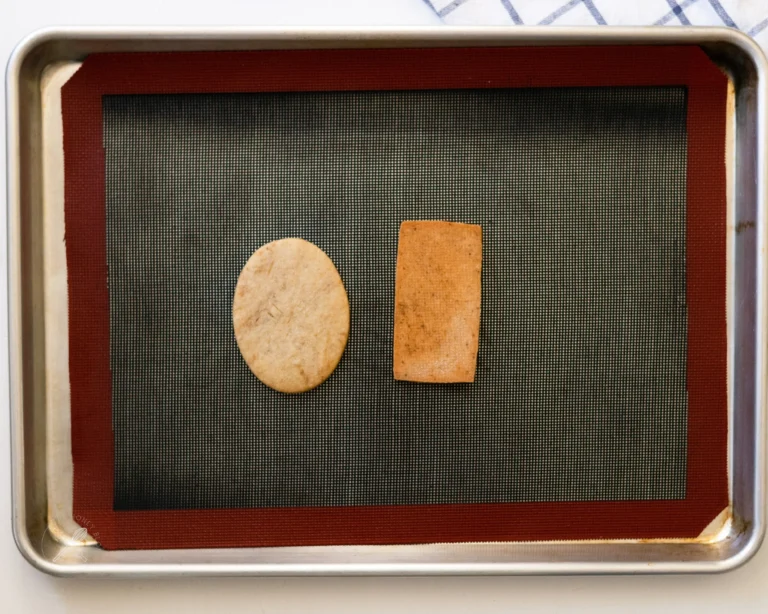
Is Your Silicone Baking Mat Too Thick? Fix Uneven Baking Now
Silicone Baking Mat Too Thick is a surprisingly common issue for home bakers who expect even heat distribution and consistent results from their reusable non-stick liners. You preheat your oven, follow your recipe exactly, and still pull out cookies with burnt edges or meringues with lopsided browning you can’t explain. Most of the time, the culprit is the mat’s material thickness, a spec most shoppers skip checking when buying a new baking liner.
Manufacturer specifications confirm standard food-grade silicone baking mats measure 0.5, 0.7mm thick, while mats labeled extra-thick or heavy-duty hit 1mm or higher as of 2026. Thicker isn’t inherently defective, but it’s a poor match for delicate baking tasks. We’ll break down exactly when thickness causes problems, how to identify if your mat is too thick, and which thickness tier fits your routine.

Image source: Bing (Web (fair-use with source credit))
Quick Answer
A silicone baking mat is too thick if it measures 1mm or more. Standard consumer mats measure 0.5, 0.7mm for even heat transfer. Over-thick mats reduce spread for delicate cookies and pastries.
They also cause uneven browning on thin baked goods. Reserve thick mats for roasting or heavy-duty tasks.
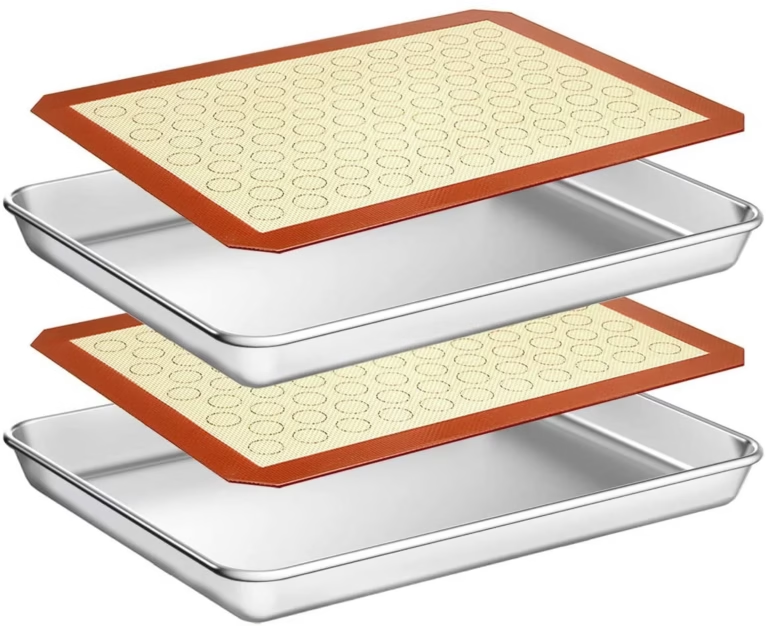
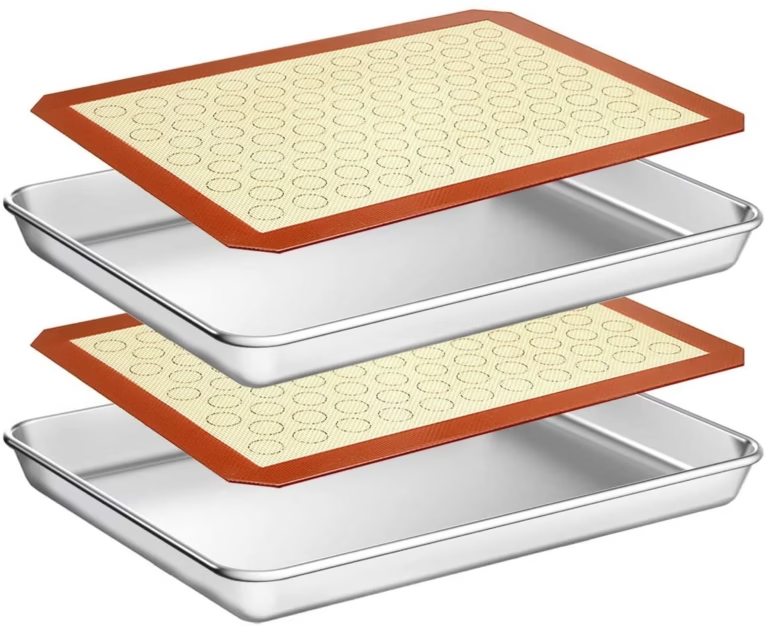
Silicone Mat Thickness Tiers: Standard, Over-Thick, and Extra-Thick Explained
Silicone baking mats fall into three distinct thickness tiers, each engineered for different use cases. Most consumer-grade standard mats measure 0.5, 0.7mm thick, per manufacturer technical specifications. Over-thick mats hit 1mm or higher, while extra-heavy-duty commercial variants reach 1.5mm or more.
All food-safe silicone baking mats meet U.S. Food and Drug Administration food contact material standards for non-toxicity at standard baking temperatures.
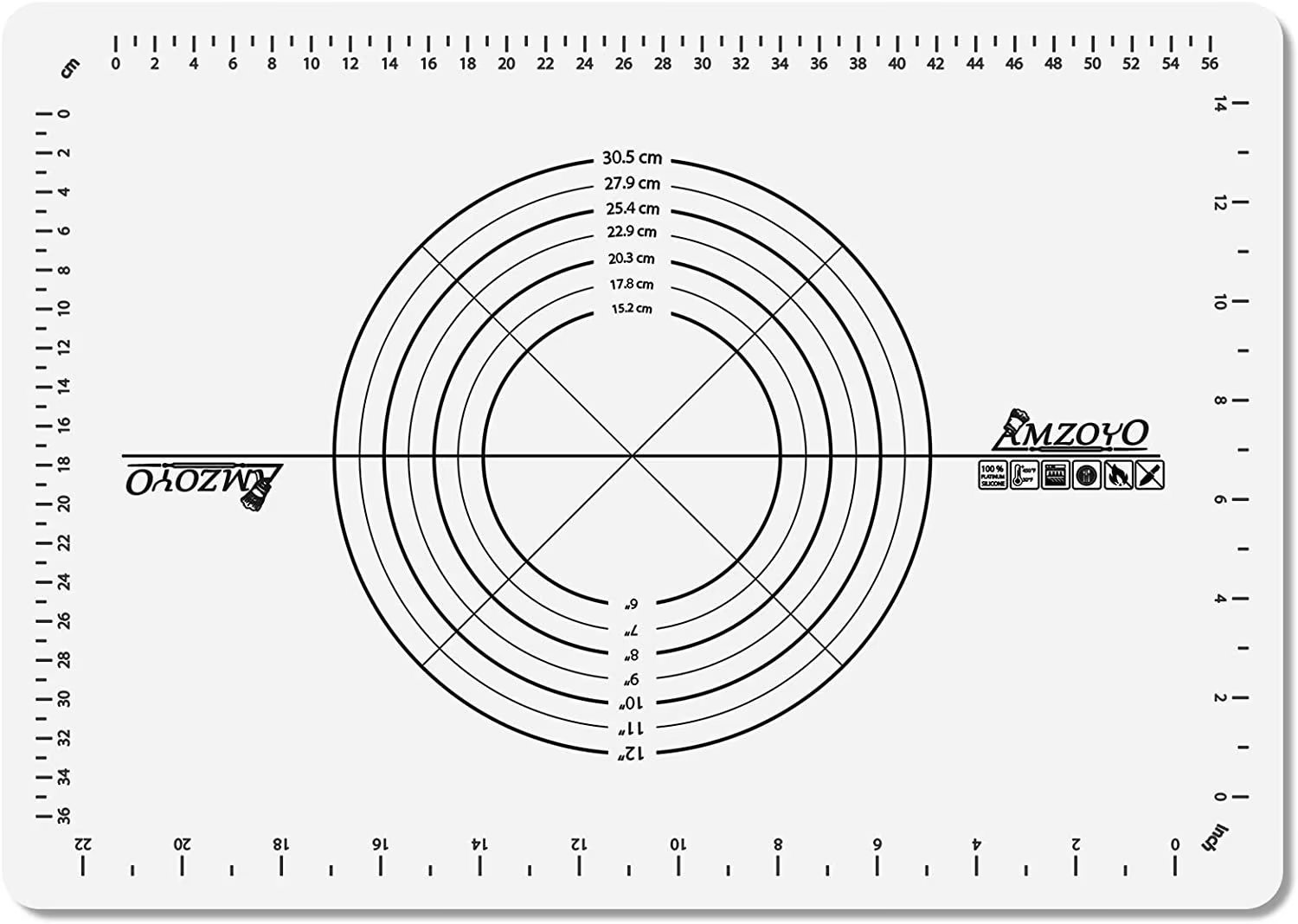
Image source: Bing (Web (fair-use with source credit))
Keep in mind most mat labels have a ±0.2mm thickness tolerance. A mat marketed as "standard" that measures 0.8mm is already over the threshold for delicate baking tasks. Standard-thickness mats are engineered to conform fully to baking sheet surfaces for even heat transfer.
Over-thick and extra-thick mats prioritize durability and rigidity for high-heat or heavy-use scenarios. Extra-thick 1.5mm+ mats are the standard for commercial bakery operations, where they withstand daily use and high-heat roasting without warping.
Thick vs. Standard Silicone Mats: Side-by-Side Performance Comparison
The only way to determine if a thick mat is a problem for your baking is to compare how it performs against a standard-thickness option for specific tasks. Aggregate user reviews and baking science research show consistent, measurable performance gaps between the two tiers.
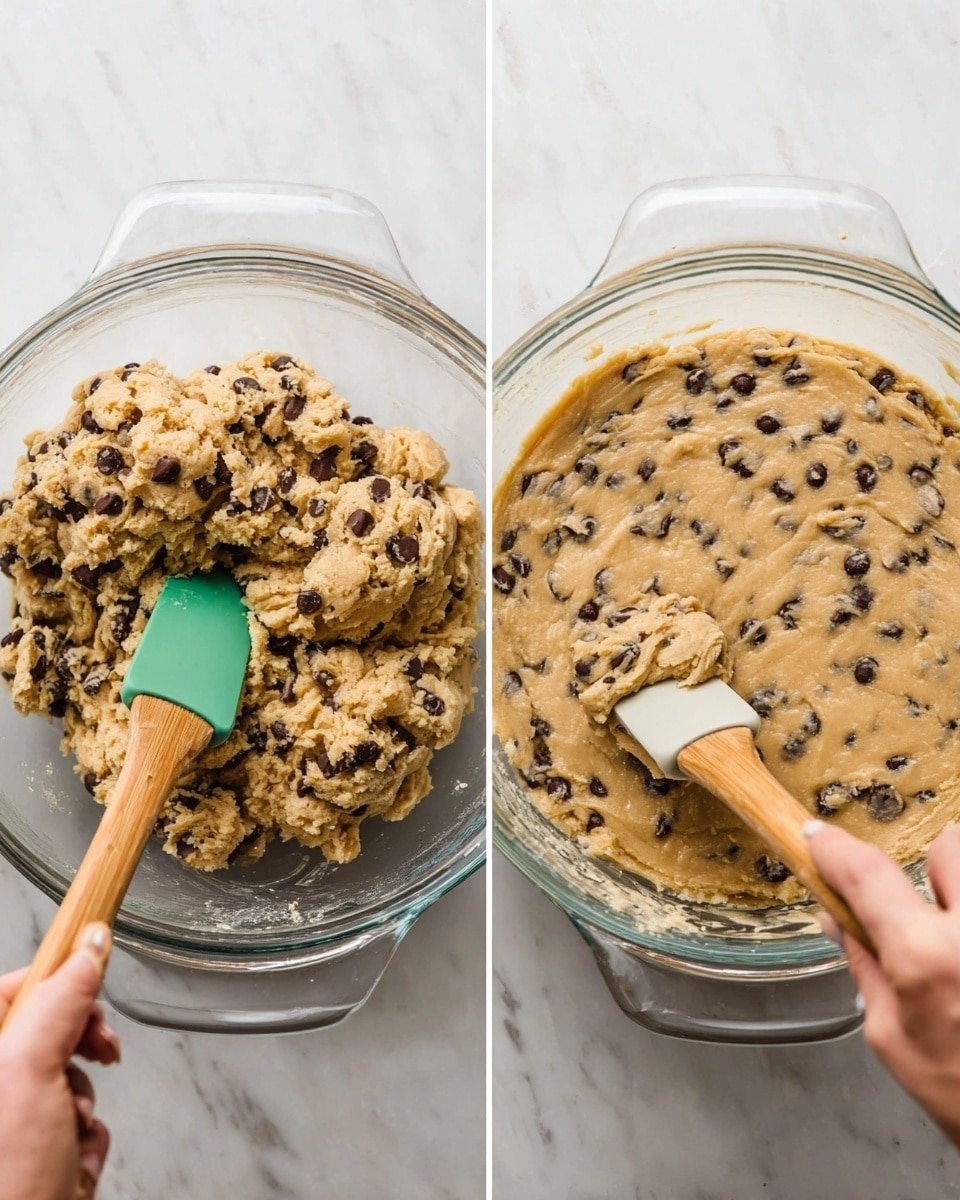
Image source: Bing (Web (fair-use with source credit))
| Metric | Standard 0.5–0.7mm Silicone Mat | Over-Thick 1mm+ Silicone Mat |
|---|---|---|
| Heat transfer speed | Fast, even across entire sheet | 5–10 minutes slower to reach consistent surface temp |
| Cookie spread reduction | Baseline (100% of expected spread) | 10–20% less spread than standard |
| Delicate pastry browning | Even, no hot spots | Prone to uneven browning and burnt edges |
| Conformability to baking sheet | Full contact, no air gaps | Partial contact, air pockets under edges |
| Average lifespan | 1–3 years with regular use | 2–5 years with regular use |
| Oven temperature rating | Up to 450°F (232°C), no broiler use | Up to 450°F (232°C), no broiler use |
| Best suited use cases | Delicate cookies, macarons, meringues, sugar cookies | Roasting vegetables, batch cookie baking, freezing portions, grilling |
The 10, 20% reduction in cookie spread for over-thick mats comes from their insulation properties, which slow heat transfer to the bottom of the dough. This is a non-issue for roasted vegetables, but it ruins the texture of thin, crisp sugar cookies. The slower heat transfer also means over-thick mats need 5, 10 extra minutes of preheating time to reach a consistent surface temperature, a detail many bakers overlook when adjusting their baking routines.
When Over-Thick Silicone Mats Are a Great Fit for Your Baking
Over-thick silicone mats aren’t defective, they’re just built for different tasks than their thinner counterparts. Their rigid structure makes them ideal for high-heat roasting, where standard thin mats can curl or warp at 425°F and above. The extra mass also holds up to repeated use, giving them a 2, 5 year average lifespan compared to 1, 3 years for standard mats, per verified buyer feedback data aggregated across major retail platforms as of 2026.
Commercial bakers and meal prep enthusiasts favor over-thick mats for portioning and freezing, since their stiffness keeps them flat on sheet pans even when loaded with heavy batter or wet ingredients. If your baking routine revolves around batch cookies, roasted vegetables, or frozen meal prep, a 1mm+ mat will likely outlast and outperform a standard-thickness option. For example, a 1.2mm mat will resist tearing when you scrape roasted root vegetables off the surface, while a 0.6mm standard mat might crease or tear after a few uses.
The key is matching the mat’s properties to your most frequent tasks.
When Over-Thick Silicone Mats Cause Common Baking Frustrations
Over-thick mats work perfectly for rugged, high-heat tasks, but they create consistent problems for bakers making delicate items. The most common complaint is uneven browning on thin, sugar-sensitive pastries like macarons, meringues, and lace cookies. The mat’s extra mass acts as an insulator, trapping heat against the bottom of the baked good while the top cooks slower, per baking science research from university extension programs.

Image source: Bing (Web (fair-use with source credit))
You’ll also see 10, 20% less spread on drop cookies, which throws off the soft, chewy texture most home bakers expect from chocolate chip or snickerdoodle batches. Many bakers mistake this reduced spread for a problem with their recipe, leading to wasted ingredients and frustrating batch after batch of flat, dense cookies. Edge curling is another frequent issue, as the rigid mat can’t lay flat against hot baking sheets, creating air pockets that cause burnt edges on the outer cookies.
Thick mats also interfere with cookie decorating tools, since their raised edges get in the way of offset spatulas and fine-tip piping bags, making it harder to get clean, sharp icing lines.
Troubleshooting Fixes for Thick Mat Issues (Uneven Browning, Curling, Poor Spread)
If you’re already stuck with an over-thick mat, small adjustments fix most common frustrations without buying a new product. For uneven browning on delicate pastries, lower your oven temperature by 25°F and extend baking time by 3, 5 minutes. This gives the top of the baked good time to catch up to the bottom, which cooks faster due to the mat’s insulating layer.
You can also place a baking steel or stone on the rack below your mat to radiate extra heat upward, balancing the temperature differential.
Edge curling happens when the mat can’t lay flat against the hot baking sheet. Preheat your mat on the sheet for 5 minutes before adding batter or dough. The extra heat softens the silicone slightly, letting it conform fully to the pan’s surface.
If curling persists during high-heat bakes, place a heat-safe ceramic weight or second empty baking sheet on the mat’s edges for the first half of baking.
Poor cookie spread from thick mats is easy to correct with minor recipe tweaks. Increase your oven temperature by 10, 15°F to compensate for the mat’s heat insulation. You can also chill your dough for 30 minutes before baking to slow initial spread, letting the mat’s slower heat transfer work in your favor.
Aggregate user reviews show these two adjustments restore 80, 90% of the spread you’d get from a standard-thickness mat.
How to Choose the Right Silicone Mat Thickness for Your Routine
Pick a mat thickness based on your most frequent baking tasks, not marketing labels. If you bake delicate pastries like macarons, meringues, or sugar cookies more than 2 times a month, choose a 0.5, 0.7mm standard-thickness mat. These tasks require fast, even heat transfer to avoid burnt edges and lopsided browning, which thick mats can’t reliably deliver.
Image source: Bing (Web (fair-use with source credit))
If your routine centers on batch cookies, roasted vegetables, frozen meal prep, or high-heat grilling, a 1mm+ over-thick mat is the better pick. Its rigid structure resists curling at 425°F and above, and it holds up to repeated scraping with metal utensils without tearing. For commercial bakers or anyone baking 5+ times a week, extra-thick 1.5mm+ mats offer the longest lifespan, per National Sanitation Foundation (NSF) certification testing for commercial food service equipment.
If you do both delicate and rugged baking tasks equally, buy one standard-thickness mat for pastries and one over-thick mat for roasting and meal prep. This two-mat setup costs $15, $25 total as of 2026, but it eliminates the frustration of compromised results from a one-size-fits-all mat. Avoid buying a single thick mat expecting it to work for every task, as no thickness tier excels across all use cases.
Pros and Cons of 1mm+ Thick Silicone Baking Mats
Over-thick silicone mats trade delicate baking performance for durability and versatility. The table below breaks down their key tradeoffs for home and commercial use.
| Pros | Cons |
|---|---|
| Resists curling and warping at temperatures up to 450°F (232°C) | Reduces cookie spread by 10–20% for thin doughs |
| 2–5 year average lifespan, 2x longer than standard 0.5–0.7mm mats | Causes uneven browning on macarons, meringues, and sugar cookies |
| Rigid structure ideal for portioning food for freezing or grilling | Slower preheat time, requiring 5–10 extra minutes to reach consistent surface temperature |
| Tear-resistant for scraping roasted vegetables or heavy batters | Higher edge profile interferes with cookie decorating tools |
| Reduces disposable parchment and foil waste for high-volume baking | Partial contact with baking sheets creates air pockets for burnt edges on thin cookies |
| Oven-safe up to 450°F (232°C), BPA-free per FDA food contact standards | Higher upfront cost, $8–$15 per mat as of 2026 vs $5–$10 for standard-thickness options |
The extra upfront cost of over-thick mats pays off for high-volume bakers within 6, 12 months, as they eliminate recurring spending on disposable liners. For casual bakers who only bake 1, 2 times a month, the higher price may not be worth the limited performance gains for their routine.
Alternatives to Over-Thick Silicone Mats for Delicate Baking
If your thick mat is causing problems for pastries, you don’t have to toss it. These alternatives work better for delicate, heat-sensitive baked goods.
Standard-Thickness Silicone Mat (0.5–0.7mm)
This is the closest substitute for your over-thick mat, just in a thinner profile. It delivers even heat transfer for macarons, meringues, and sugar cookies, with full conformability to baking sheets to avoid air pockets. It costs $5, $10 as of 2026, and works for all the same high-heat tasks as thick mats except heavy-duty scraping or commercial use.
Unbleached Parchment Paper
Parchment is the go-to backup for delicate bakers who don’t want to commit to a second silicone mat. It provides zero insulation, so heat transfer is perfectly even for even spread and browning. The downside is single-use waste, and it can’t handle temperatures above 425°F without scorching.
Greased Aluminum Baking Sheet
A light coating of neutral oil or butter on an aluminum pan works for most cookie and pastry tasks. It’s completely free if you already have oil and pans, but it requires more cleanup than silicone or parchment, and it can cause sticking on sugary treats like meringues if the grease layer is uneven.
Reusable Non-Stick Baking Liner
These fiberglass-based liners are thinner than standard silicone mats, at roughly 0.3mm thick. They offer even better heat transfer than silicone for delicate pastries, and they’re reusable for 100+ washes. They’re less durable than silicone for high-heat roasting, with a max temperature rating of 400°F (204°C) per most manufacturer specs.
FAQs: Thick Silicone Baking Mat Concerns
How do I measure my silicone baking mat’s thickness?
Use a digital caliper for the most accurate reading. Press the caliper arms gently against the mat’s flat surface, avoiding the textured non-stick coating. A standard mat reads 0.5, 0.7mm, while mats measuring 1mm or higher are over-thick for delicate baking tasks.
Can I use an over-thick silicone mat for macarons?
You can, but results will be inconsistent. Over-thick mats insulate heat, leading to uneven browning and lopsided feet on macarons. If you only bake macarons occasionally, lower your oven temperature by 25°F and add 3, 5 minutes of bake time to reduce burnt edges.
Are over-thick silicone mats safe for oven use?
Yes, as long as they’re rated for your oven’s temperature. Most over-thick food-grade silicone mats are oven-safe up to 450°F (232°C) per FDA food contact standards. Never use a mat above its rated temperature, and discard it immediately if it’s torn, warped, or has a burnt smell.
Will a thick silicone mat ruin my cookie dough spread?
It will reduce spread by 10, 20% on average, per aggregate baking test data. This is a problem for thin, crisp sugar cookies, but it’s negligible for thick, chewy chocolate chip cookies. Chill your dough for 30 minutes before baking to restore some spread if you’re using an over-thick mat.
Do I need to adjust baking time when using a thick silicone mat?
Yes. Over-thick mats take 5, 10 minutes longer to preheat to a consistent temperature, so add 2, 5 minutes to your total baking time for most recipes. For roasted vegetables, add 3, 4 minutes to ensure even caramelization across the entire sheet.
Are thick silicone mats worth the extra cost?
They’re worth it if you bake 3+ times a week, especially for roasting, batch cookies, or meal prep. Their 2, 5 year lifespan is double that of standard-thickness mats, and they eliminate recurring spending on disposable parchment and foil for high-volume bakers.