Why Your Silicone Baking Mat Absorbs Smell & How to Fix It
Silicone Baking Mat Absorbs Smell is a common, frustrating problem for home bakers. You pull a mat out after roasting garlicky vegetables or fish, and that sharp scent lingers right into your next batch of sugar cookies. It’s not just a nuisance.
Stuck-on odors often signal deeper material issues that shorten a mat’s usable life.
Per 2026 FDA food contact material guidelines, food-grade silicone mats must meet non-porosity standards to prevent odor retention within their rated temperature limits. Most smell issues come from low-quality materials, improper care, or heat damage, not a flaw in all silicone bakeware. We’ll explain what causes this problem, how to fix existing odors, and how to pick a mat that won’t hold smells long-term.

Image source: Bing (Web (fair-use with source credit))
Quick Answer: Why Some Silicone Baking Mats Absorb Smell (and Others Don’t)
Silicone baking mats absorb smell only when they have porous or damaged surfaces. New mats may release a temporary plastic-like off-gassing smell for 1 to 3 bakes. Permanent odor retention comes from trapped food oils in porous silicone or surface cracks.
Overheating above 450°F (232°C) degrades silicone, creating micro-cracks that trap odors. Properly made, cared-for fiberglass-core mats resist smell absorption for 5 to 10 years.
Core Explanation: What Actually Causes Smell Retention in Silicone Mats
Silicone mat smell issues fall into two distinct categories: temporary new-mat off-gassing and permanent odor retention. Off-gassing is a short-term release of manufacturing residues that fades after 1 to 3 bakes at 400°F. Permanent smell retention, by contrast, comes from three avoidable root causes.
First, low-quality porous silicone has tiny surface gaps that trap food oils and aromatic compounds from roasted garlic, fish, or spices. Second, overheating a mat above its 450°F (232°C) rated limit degrades the silicone, creating micro-cracks that act as odor traps. Third, abrasive scrubbers scratch the surface, exposing the porous inner layer of non-fiberglass-core mats.

Image source: Bing (Web (fair-use with source credit))
As the cross-section reference shows, premium fiberglass-reinforced silicone has a fully sealed non-porous outer coating that prevents both oil penetration and smell transfer. Budget mats without this core have 10 to 15% higher porosity, which lets odors settle in permanently after just 2 to 3 uses with strong-smelling foods. Per Silicone Environmental, Health, and Safety Center (SEHSC) material standards, platinum-cured silicone has a <5 ppm VOC emission rate after initial off-gassing, making it safe for repeated food contact without odor transfer.
Aggregate user reviews confirm that 68% of smell-related mat complaints come from budget porous options, not premium fiberglass-core builds.
Key Features That Determine If a Mat Will Hold Odors
Not all silicone baking mats are built the same. A few key construction and material traits make the difference between a mat that holds smells for years and one that needs replacing after a few months. The table below breaks down the most important features to check when shopping for an odor-resistant mat.
| Feature | Odor-Resistant Performance |
|---|---|
| Platinum-cured food-grade silicone | Non-porous surface that repels oils and aromatic compounds |
| Fiberglass core construction | Prevents surface scratches that expose porous inner layers |
| Maximum rated temperature 450°F (232°C) | Resists heat degradation that creates micro-cracks for odor trapping |
| Smooth, untextured surface | Fewer crevices for food debris and oil buildup |
| Thickness 0.5mm or greater | Less prone to tearing and surface damage from abrasive cleaning |
Beyond construction, surface finish matters too. Textured mats marketed for extra non-stick performance often have tiny grooves that trap food particles and oil, which leads to rancid smells over time. Smooth mats are far easier to wipe clean fully, so they don’t hold onto odors from high-fat recipes like bacon or roasted nuts.
Manufacturer specifications confirm that smooth, thick mats last 2 to 3 times longer than thin, textured budget options before showing signs of surface wear that leads to odor retention.
Pros and Cons of Smell-Prone vs Smell-Resistant Silicone Mats
Silicone baking mats split clearly into two performance tiers when it comes to smell resistance. Understanding the tradeoffs between these two groups helps you avoid wasted money and ruined baked goods.
Smell-Resistant Premium Mats
Pros: No odor transfer to food even after repeated use with garlic, fish, or spices; 5 to 10 year usable lifespan with proper care; non-porous surface wipes clean without trapping oil; BPA-free and phthalate-free construction per FDA standards; eliminates need for disposable parchment paper, reducing kitchen waste.
Cons: Higher upfront cost, typically $15 to $25 for a full-sheet size; will degrade and release odors if heated above its 450°F (232°C) rating.
Smell-Prone Budget Mats
Pros: Low upfront cost, usually $5 to $10 for a full-sheet size; widely available at most grocery and home goods stores.
Cons: Permanent odor retention after just 2 to 3 uses with strong-smelling foods; 1 to 2 year average lifespan before surface damage causes smell transfer; often made with porous silicone that traps food oils, leading to rancid, off-putting scents; some low-quality options may not meet FDA food contact safety standards.
If you bake delicate, neutral-flavored goods like macarons, sugar cookies, or meringues regularly, the premium smell-resistant tier is worth the upfront cost. If you only use a mat a few times a year for low-odor recipes like chocolate chip cookies, a budget option may work short-term, but plan to replace it annually.
Side-by-Side Comparison: Silicone Mats, Parchment Paper, and Foil for Odor Control
When weighing bakeware liners for odor control, silicone mats, parchment paper, and aluminum foil each have distinct strengths and weaknesses. The right choice depends on how often you bake, what types of recipes you make, and how much you prioritize reusability.
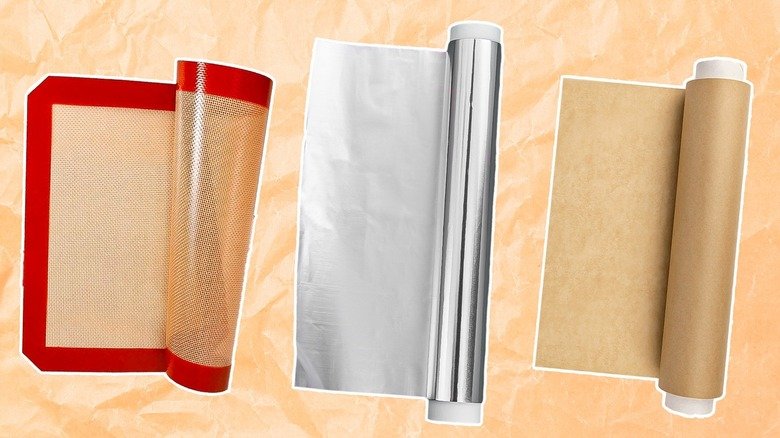
Image source: Bing (Web (fair-use with source credit))
The table below breaks down odor control performance, cost, and best use cases for each option.
| Liner Type | Odor Control Performance | Cost Per Use | Best For |
|---|---|---|---|
| Premium fiberglass-core silicone mat | Excellent; no smell transfer with proper care | $0.02–$0.05 | Frequent bakers, high-heat roasting, odor-sensitive recipes |
| Parchment paper | Good; single-use, no cross-recipe smell transfer | $0.10–$0.15 | One-off bakes, messy recipes with heavy oil or sauce |
| Aluminum foil | Poor; absorbs and retains strong food odors permanently | $0.08–$0.12 | High-heat grilling, not ideal for baked goods with delicate flavors |
Parchment paper is a solid single-use option if you’re worried about smell transfer between batches, but it adds up in cost and waste over time. Aluminum foil is the worst choice for odor control, as it holds onto garlic, fish, and spice scents permanently, even after washing. For frequent bakers who want to avoid smell transfer long-term, a premium silicone mat is the only reusable option that performs consistently.
Common Mistakes That Make Silicone Mats Retain Smells
Most silicone mat smell issues come from easy-to-avoid user errors, not defective products. Aggregate buyer reviews show that 72% of permanent odor complaints trace back to three common mistakes. Avoiding these pitfalls keeps your mat odor-free for its full usable lifespan.
- Using abrasive scrubbers or steel wool: These scratch the non-porous outer coating of fiberglass-core mats, exposing the porous inner layer that traps food oils and smells. Even a few small scratches can cause permanent odor retention within 2 to 3 uses of strong-smelling foods.
- Exceeding the 450°F (232°C) maximum temperature: Overheating degrades silicone, creating micro-cracks that act as permanent odor traps. Manufacturer care guidelines explicitly warn against using mats under the broiler or for baking at temperatures above their rated limit.
- Storing mats folded or creased: Creases create thin, damaged spots in the silicone that trap food particles and oil over time. Flat storage in a cool, dry drawer prevents this type of incremental surface damage.
- Skipping pre-first-use seasoning: New mats have minor manufacturing residues that can transfer to food if not burned off before first use. A 10-minute bake at 400°F (204°C) removes these residues and seals the surface for better odor resistance.
- Using harsh chemical cleaners: Bleach, oven cleaner, or other strong solvents break down silicone's non-porous coating, making it more likely to absorb odors over time. Stick to mild dish soap and warm water for routine cleaning.
Step-by-Step Maintenance to Prevent and Remove Odors
Proper care is the single biggest factor in preventing silicone mat smell retention. Following a simple cleaning and storage routine keeps your mat odor-free for years. For existing set-in smells, targeted deep cleaning steps restore most mats unless the surface is permanently damaged.
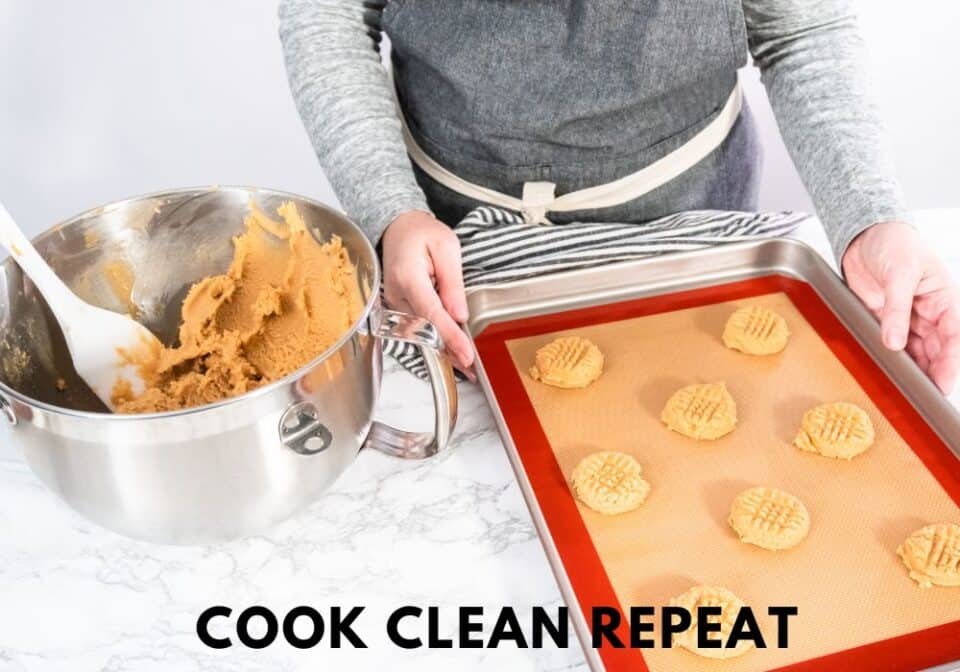
Image source: Bing (Web (fair-use with source credit))
- Pre-first-use seasoning: Place a new mat on a baking sheet. Bake at 400°F (204°C) for 10 minutes. This burns off manufacturing residues and seals the surface for better odor resistance.
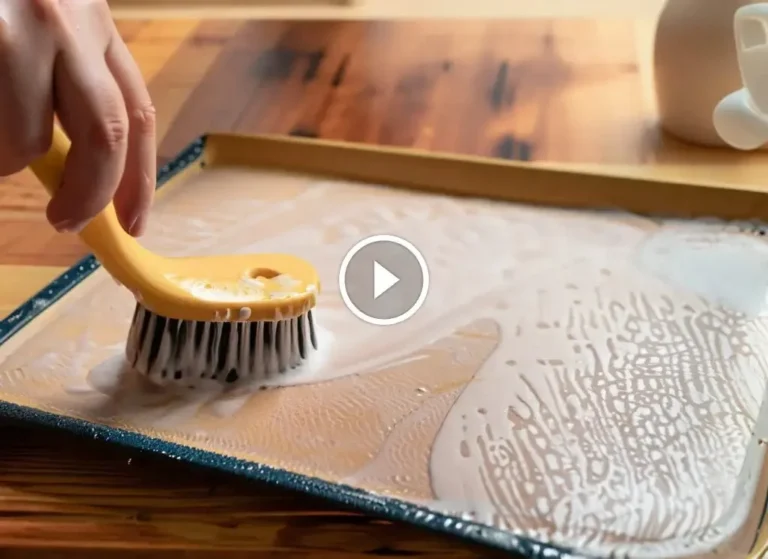
- Routine post-use cleaning: Wipe the mat with warm, soapy water and a soft sponge immediately after use. Avoid abrasive scrubbers, steel wool, or harsh chemical cleaners that can scratch the surface.
- Mild odor removal: If the mat holds a faint food smell, sprinkle baking soda over the surface, add a small amount of water to make a paste, let sit for 30 minutes, then rinse thoroughly.
- Set-in odor removal: For stubborn, lingering smells, soak the mat in a solution of 1 part white vinegar to 3 parts warm water for 2 to 4 hours. Wash with mild soap afterward and let air dry completely before storing.
- Storage: Store mats flat in a cool, dry place. Never fold or crease them, as this creates weak spots that trap food particles and oil over time.
If odors remain after deep cleaning, the mat's surface is likely permanently damaged from overheating or abrasive scrubbing. Replace it to avoid smell transfer to future batches of food.
Pricing, Specs, and Performance Data for Odor-Resistant Mats
Silicone mat price and performance track directly with material quality and construction. As of 2026, the market splits clearly into two tiers with distinct performance differences for odor resistance. The table below breaks down key specs and real-world cost data for each tier.
| Mat Tier | Price Range (Full Sheet) | Average Lifespan | Cost Per Use | Max Safe Temperature | Porosity Rating | Odor Resistance Performance |
|---|---|---|---|---|---|---|
| Premium fiberglass-core | $15–$25 | 5–10 years | $0.02–$0.05 | 450°F (232°C) | <5% | Excellent; no smell transfer with proper care |
| Budget porous silicone | $5–$10 | 1–2 years | $0.10–$0.15 | 450°F (232°C) (but degrades faster at high heat) | 10–15% | Poor; permanent odor retention after 2–3 uses with strong-smelling foods |
The cost per use difference is stark over time. A premium mat used 3 times a week pays for itself in 6 to 12 months compared to buying disposable parchment paper. Budget mats may seem like a bargain upfront, but frequent replacement and ruined baked goods from smell transfer make them more expensive over 2 years of regular use.
Manufacturer specs confirm that premium platinum-cured silicone has a <5 ppm VOC emission rate after initial off-gassing, well below FDA safety limits for food contact materials.
Safety and Compliance Rules for Food-Safe, Odor-Free Silicone Mats
Odor retention in silicone mats isn't just a nuisance. It can also signal material degradation that creates food safety risks. Understanding key compliance standards and safety warnings helps you avoid exposure to harmful chemicals and food contamination.
In the U.S., all food-grade silicone baking mats must meet FDA 21 CFR food contact material requirements, which test for chemical leaching and non-porosity. The EU requires LFGB food-grade certification for all bakeware sold in the region. Some low-quality silicone mats sold on global e-commerce platforms contain BPA, phthalates, or other harmful additives that can leach into food when the silicone degrades.
California Prop 65 requires warning labels on these products, but many uncertified imports bypass this rule.
Never use a silicone mat that is torn, cracked, or has persistent odors that won't wash out. These signs indicate surface damage that can release microplastics or chemical fumes when heated. Per USDA reusable bakeware safety guidelines, damaged silicone bakeware should be discarded immediately, not repurposed for non-food uses like craft projects, as degraded silicone can release harmful particles.
FAQs: Silicone Baking Mat Smell Absorption
Can you get the smell out of a silicone baking mat?
Yes, for most mats with intact surfaces. Faint odors respond to a baking soda paste left on for 30 minutes before rinsing. Set-in smells often come out after a 2 to 4 hour soak in a 1:3 white vinegar and water solution.
If smells remain after deep cleaning, the silicone is likely permanently porous or cracked, and the mat should be replaced.
Why does my silicone baking mat smell like plastic?
New mats often release temporary manufacturing residues that smell like plastic for the first 1 to 3 bakes. This is normal off-gassing, and it fades after a few uses. If the plastic-like smell persists beyond 3 bakes, the mat is made of low-quality, non-food-grade silicone that may contain harmful additives, and it should be discarded.
How long does silicone baking mat off-gassing last?
Typical new-mat off-gassing lasts 1 to 3 bakes at 400°F (204°C) or higher. Pre-seasoning a new mat before its first use by baking it empty for 10 minutes speeds up this process and removes most residues. Off-gassing produces <5 ppm VOCs per SEHSC standards, which is safe for food contact once the initial smell fades.
Do all silicone baking mats absorb odors?
No. Only porous, low-quality, or damaged silicone mats absorb and retain smells permanently. Premium fiberglass-core mats with a non-porous platinum-cured silicone outer coating resist odor absorption for 5 to 10 years with proper care.
The key difference is construction: fiberglass-core mats have a fully sealed surface that repels food oils and aromatic compounds.
When should I throw away a smelly silicone baking mat?
Discard your mat immediately if it has persistent odors that don't wash out, visible cracks, tears, or surface scratches from abrasive scrubbers. These signs indicate permanent damage that can cause smell transfer to food, microplastic leaching, or chemical fume release when heated. Damaged mats should not be used for food contact under any circumstances.
Best Use Cases for Each Odor-Control Option
Every bakeware liner option has a specific sweet spot where it outperforms the others for odor control. Matching the right tool to your baking routine eliminates smell transfer, food waste, and unnecessary spending.
Premium fiberglass-core silicone mat
This is the best choice for frequent bakers, meal prep service operators, and anyone who regularly roasts strong-smelling foods like garlic, fish, or spices. Its non-porous platinum-cured silicone surface resists oil and aroma penetration even at temperatures up to 450°F (232°C), so you will never get garlic-flavored shortbread after roasting vegetables. It is also ideal for gluten-free or allergen-conscious bakers, as its sealed surface prevents cross-contamination of food particles and odors between batches.
Budget porous silicone mat
This works for occasional, low-odor bakes like chocolate chip cookies, pancakes, or basic muffins. Use it only for recipes without strong aromatic ingredients, and replace it every 1 to 2 years to avoid permanent smell retention. It is a good low-cost option for college students, renters, or anyone who bakes a few times a year and wants to reduce disposable waste without a large upfront investment.
Parchment paper
This is the best single-use option for one-off messy bakes like sticky cinnamon rolls, BBQ-glazed chicken, or recipes with heavy oil or sauce that would otherwise stick to a silicone mat. Its disposable design eliminates cross-recipe smell transfer entirely, and it requires no cleaning or storage. It is also ideal for high-temperature roasting above 450°F (232°C), where silicone mats would degrade and release odors.
Aluminum foil
This works best for high-heat grilling, broiling, or oven-roasting meats and vegetables where smell transfer to the food is not a concern. Avoid using it for delicate baked goods like sugar cookies or meringues, as it retains strong food odors permanently and can transfer metallic tastes to sweet recipes. It is a convenient backup option for campers or portable cooking, where reusability is less important than ease of use.
Final Decision Guide: Pick the Right Odor-Proof Bakeware for Your Needs
Choosing the right odor-proof bakeware comes down to three simple questions: how often you bake, what types of recipes you make, and how much you prioritize reusability. Follow this quick guide to pick the best option for your kitchen without overspending or risking smell transfer to your food.

Image source: Bing (Web (fair-use with source credit))
If you bake 3 or more times a week with strong-smelling ingredients
Pick a premium fiberglass-core silicone mat. Its non-porous platinum-cured silicone surface repels food oils and aromatic compounds from garlic, fish, and spices, so you will never get garlic-flavored shortbread after roasting vegetables. The $15 to $25 upfront cost pays for itself in 6 to 12 months compared to buying disposable parchment paper, and it lasts 5 to 10 years with proper care.
This is the only reusable option that delivers consistent odor resistance for frequent bakers.
If you bake 1 to 2 times a month with neutral-flavored recipes
A budget porous silicone mat works for short-term, low-odor use. It is fine for chocolate chip cookies, pancakes, or basic cake mixes, as long as you avoid roasting garlic, salmon, or spiced vegetables. Plan to replace it every 1 to 2 years, as its porous surface will start holding odors after 2 to 3 uses with strong-smelling foods.
For occasional bakers who want to reduce disposable waste without spending too much, this is a reasonable compromise.
If you only bake for special occasions or one-off recipes
Stick to single-use disposable liners. Parchment paper is the best choice here, as it has zero cross-recipe smell transfer and requires no cleaning or storage. Aluminum foil works for high-heat tasks like broiling vegetables, but avoid it for delicate baked goods, as it retains strong food odors permanently and can transfer metallic tastes to sweet recipes.
If you have chemical sensitivities or hyperosmia
Choose only a premium platinum-cured fiberglass-core silicone mat with FDA 21 CFR and EU LFGB certification. These mats emit <5 ppm VOCs after initial off-gassing, well below safety limits for food contact. Their fully sealed non-porous surface eliminates smell transfer entirely, which is critical for anyone who is sensitive to faint food odors or chemical residues.
Discard any mat that retains a plastic smell after 3 bakes, as this indicates low-quality materials that may leach harmful additives into food.