Why Cherry Pitters Rust and How to Prevent It
Cherry Pitter Rusting usually starts at the hinge, spring, or pitting rod. You wash the tool, put it away, and find orange spots a week later. That can feel alarming, especially when the tool touches food.
The good news is that not every rusty pitter belongs in the trash.
Most food-grade stainless steel gets its protection from chromium, often at least 10.5 percent by mass. That chromium forms a thin passive layer that resists corrosion, but acid, moisture, and abrasion can damage it. The [U.S.
Food and Drug Administration](https://www.fda.gov) also expects food-contact surfaces to stay smooth and corrosion-resistant. Let's start with why cherry pitters rust so easily.
Why Cherry Pitters Rust and How to Prevent It
Quick Answer
Cherry Pitter Rusting usually starts with trapped moisture. Acidic cherry juice speeds corrosion on hinges. Light surface rust can often be cleaned safely at home.
Rust on food-contact parts needs careful inspection. Deep pits or metal flakes require quick replacement.
Why Cherry Pitters Rust and Why It Matters
A cherry pitter is a small tool with big rust traps. It has hinges, springs, rivets, and narrow channels where juice hides. Rust is iron oxide, a reddish compound that forms when iron-bearing metal meets water and oxygen.
Even stainless steel can rust if its protective layer gets damaged.
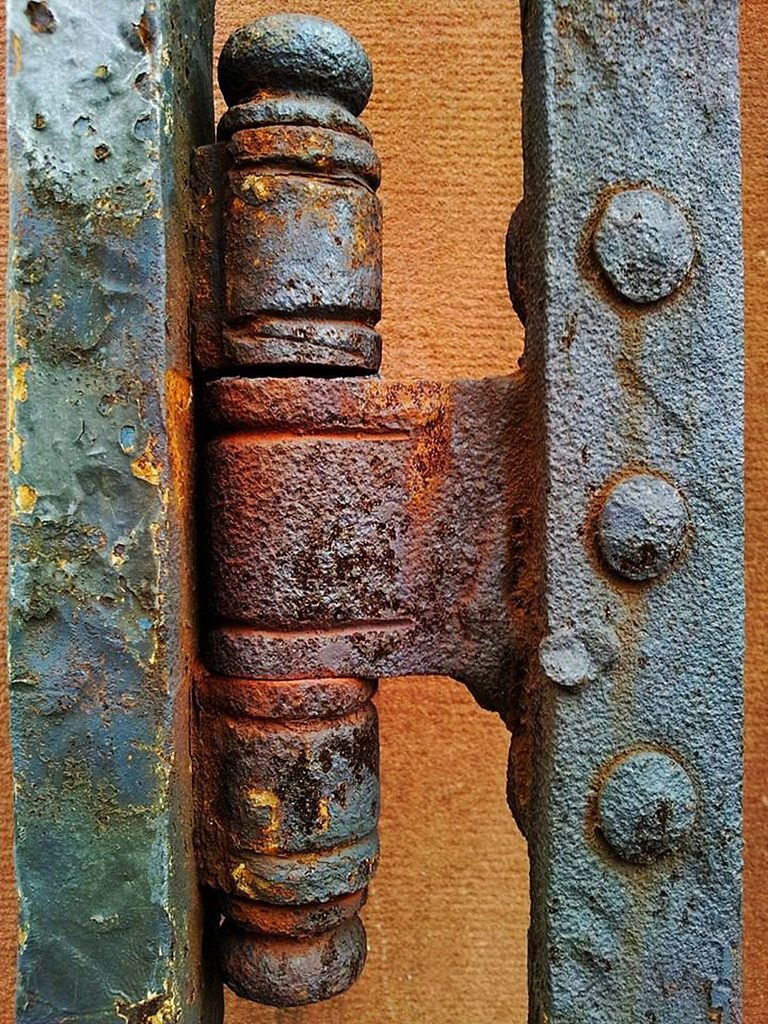
Image source: Bing (Web (fair-use with source credit))
As of 2026, many pitters use stainless steel, plated steel, or a mix of both. Stainless steel resists rust because chromium forms a thin passive film. Manufacturer specs often cite grades such as 18/8 or 304 stainless.
Those grades contain about 18 percent chromium and 8 percent nickel.
Cherries make the problem worse. Their juice is acidic, usually around pH 3.3 to 4.2. Acid can attack weak spots in the metal.
Dishwasher detergent can add alkaline salts and chlorides. Hard-water spots can trap moisture in crevices. That combination can speed up corrosion in a tool with many small parts.
Why does this matter? Because the answer changes by location. Rust on the outside handle is very different from rust on the pitting rod.
Surface staining may be cosmetic.
Pitting corrosion can create rough holes that trap food. Those pits are harder to clean and can harbor bacteria. That changes the safety calculation fast.
Common rust starting points include:
- The hinge pin
- The spring coils
- The pitting rod or plunger
- The fruit channel near the pit chute
- Rivets and welded joints
Seasonal use adds another twist. A pitter may sit in a drawer for months after cherry season. Any leftover moisture can cause flash rust.
That is why storage condition often matters more than one wash.
The 30-Second Rust Assessment: Where Is the Rust?
Start by looking at the rust location before you scrub. The location tells you the risk. A little orange dust on the outside hinge may not matter.
Rust inside the fruit path matters more.
Use this quick assessment:
| Rust location | What it usually means | First move |
|---|---|---|
| Outside handle or body | Cosmetic exposure | Clean and dry |
| Hinge pin or spring | Moisture trapped in movement | Clean, dry, oil |
| Pitting rod or plunger | Food-contact wear | Inspect closely |
| Fruit channel or pit chute | Juice residue plus corrosion | Decide clean or replace |
If the rust is only on the outside, you can usually clean it. If it touches fruit, you need a stricter test. If it sits in a crevice, assume moisture is getting in.
Ask three quick questions:
- Can you feel roughness with a fingernail?
- Does the metal look pitted or flaky?
- Does the rust return after washing and drying?
If you answer yes to any of those on a food-contact part, slow down. That tool may need replacement. If the answer is no, cleaning may be reasonable.
What does rust color tell you?
Color helps, but texture matters more. Light orange dust is often surface rust. Dark brown or black spots can mean deeper corrosion.
Greenish stains on some alloys are not always rust, but they still signal corrosion.
Where should you check first?
Check the parts that touch fruit first. Look at the pitting rod, fruit channel, and spring. Then inspect the hinge and any exposed screws.
Finally, open and close the tool to feel for grit.
Surface Rust vs Pitting: How to Tell the Difference
Surface rust sits on top of the metal. It often looks like a thin orange film. It may wipe away with a pad or a food-safe rust method.
Pitting corrosion goes deeper.
It creates small cavities, dark spots, or rough craters. The difference changes your decision. Surface rust can often be removed without ruining the tool.
Pits cannot be polished back to a smooth food-contact surface.
Image source: Bing (Web (fair-use with source credit))
Why does this distinction matter? Pits trap cherry pulp, sugar, and moisture. That creates a cycle of rust and contamination.
A pitted surface also makes cleaning feel pointless.
Use a simple fingertip test. Run a clean finger over the affected area. Light staining feels smooth or slightly rough.
Pitting feels catch-y or gritty.
If your fingernail drops into tiny holes, that is pitting. Look closely under bright light. Tilt the part so shadows reveal dents.
A phone flashlight can help.
| Sign | Surface rust | Pitting corrosion |
|---|---|---|
| Appearance | Orange film or specks | Dark pits or craters |
| Texture | Smooth or mildly rough | Rough, catch-y, uneven |
| After cleaning | Metal looks intact | Holes remain |
| Best decision | Usually clean | Usually replace |
If the metal is chrome-plated, look for chips or bubbles. Plating failure often leads to rust underneath. Once the base steel is exposed, corrosion can spread quickly.
In that case, cleaning is temporary.
Can you remove pits at home?
No, not in a food-safe way. You can remove rust, but you cannot restore the original smooth surface. Filing or sanding may leave unsafe grooves.
For food-contact parts, replacement is usually the better call.
Food-Contact Rust: When a Cherry Pitter Is Still Safe to Use
Not every rust spot makes a tool unsafe. The key is whether the rust touches food and whether the surface stays cleanable. The [U.S.
Food and Drug Administration](https://www.fda.gov) expects food-contact surfaces to be smooth, nonabsorbent, and corrosion-resistant. NSF International food equipment standards point in the same direction.
If rust is only on the handle, the risk is low. If rust is on the pitting rod, fruit channel, or spring near fruit, the risk rises. A small stain on a nonfood part may be fine.
A flaky spot above the pit chute is not.
A food-safe decision check:
- The rust is not on a surface that touches cherries.
- The metal remains smooth after cleaning.
- No flakes, grit, or loose particles remain.
- The tool does not leave rust color on fruit.
- The hinge and spring still move cleanly.
If all of those are true, the pitter may still be usable. If one fails, do not use it for food. You may still keep it for crafts, but not for pitting.
Is rust on the handle safe?
Usually, yes. The handle rarely touches fruit juice. Clean it, dry it, and watch it.
Is rust on the spring safe?
Only if the spring stays away from the fruit path. Many springs sit near the hinge. If cherry juice reaches it, treat it as food-contact rust.
Also avoid non-food-safe rust converters. Some products are made for tools, fences, or automotive parts. They are not meant for fruit contact.
Use only cleaners and oils labeled as food safe. A plain food-grade mineral oil works well on pivots after the tool is fully dry. Do not use machine oil or general lubricants on food zones.
When to Replace a Rusty Cherry Pitter Instead of Cleaning It
Replacement is the right call when corrosion changes the metal itself. If the surface is pitted, flaking, or rough after cleaning, stop. Those defects can shed particles and trap food.
They also tend to come back fast.
Replace the pitter if you see any of these:
- Deep pits that remain after rust removal
- Metal flakes or dark corrosion dust
- Rust on the pitting rod that will not clean smooth
- A spring that is brittle, sticky, or heavily corroded
- Plating that is chipping around food-contact zones
- Rust returning within one or two uses
Cost matters, but not too much. Basic handheld cherry pitters often cost about $8 to $25. Tabletop lever models often run about $20 to $60.
If a $15 tool has pitted food-contact metal, replacement is the safer choice.
Use this simple branch:
- If rust is light and not on food-contact metal, clean it.
- If rust is light but on food-contact metal, clean and inspect closely.
- If rust is deep, flaky, or recurring, replace it.
- If the tool is plated and the plating has failed, replace it.
Do not try to rescue a pitter with unknown chemical coatings. If you cannot confirm the finish is food safe, move on. A cherry pitter is a small tool.
A batch of spoiled fruit or a scratched food-contact surface is not worth the risk.
What should you buy instead?
Choose a pitter with clearer material specs. Look for 18/8 stainless or 304 stainless on food-contact parts. Avoid vague terms like “metal body” without a grade.
If you pit cherries often, a fully stainless design is usually worth the extra cost.
How to Remove Light Rust from a Cherry Pitter Safely
If the rust is light and the metal is still smooth, cleaning is usually safe. Start with the gentlest method first. You want to remove corrosion without scratching the surface.
- Take the pitter apart if the design allows it.
- Wash all parts in hot soapy water.
- Scrub the rusty area with a nylon brush or nonabrasive pad.
- Rinse well with clean water.
- Dry every part at once.
For stubborn orange spots, a short soak in white vinegar can help. Keep the soak brief, usually five to ten minutes. Rinse well after that, because acid left on steel can keep attacking the surface.
| Method | Best for | Caution |
|---|---|---|
| Hot soapy water and nylon brush | Fresh surface rust | May not remove older stains |
| Baking soda paste | Spot cleaning on flat parts | Rinse grit fully |
| Short vinegar soak | Heavier surface rust | Do not soak for hours |
| Citric acid solution | Stubborn stains | Rinse and dry quickly |
Do not use automotive rust remover, bleach soak, or steel wool on food zones. Steel wool can leave tiny iron particles behind. Those particles can rust later and make the problem worse.
Cleaning Hinges, Springs, and Hard-to-Reach Pitter Parts
Hinges and springs are where cherry pitters fail first. They trap juice, pulp, and moisture in tight spaces. Clean them with the tool open so you can reach the movement points.
Use a small nylon brush, an old toothbrush, or a cotton swab. Work the hinge back and forth while brushing. This helps lift debris from inside the joint.
How do you clean a pitter spring?
Remove the spring if it comes off easily. Wash it in hot soapy water and brush between the coils. Dry it fully before putting it back.
If the spring is dark, brittle, or shedding particles, do not try to save it. A corroded spring can snap during use. If the manufacturer sells a replacement spring, use it.
If not, replace the whole pitter.
For rivets and crevices, avoid metal picks. They can scratch stainless steel. Scratches hold moisture and make future rust more likely.
A wooden toothpick or plastic brush is safer.
If moisture stays in the hinge after washing, the tool will rust again. That is why drying matters as much as scrubbing.
After Cleaning: Drying, Oiling, and Reassembly
Drying is the step most people skip. It is also the step that prevents the next rust spot. Towel dry every part first.
Then let the pieces sit open on a rack.
If the pitter has plastic parts, air drying is enough. If it is all metal, gentle warmth can help. A few minutes in a low oven around 150°F can drive off hidden moisture.
Check manufacturer instructions first, because plastic handles and coated parts cannot take heat.
Once the pitter is dry, add a thin coat of food grade mineral oil. Put a drop on the hinge pin, spring ends, and pivot points. Open and close the tool to spread the oil.
Wipe away any excess. You want a thin protective film, not a greasy surface. Do not use olive oil, vegetable oil, or machine oil.
Cooking oils can turn rancid, and machine oils are not meant for food contact.
Reassemble only when every crevice is dry. If you put a damp spring back into a closed hinge, you trap water inside. That creates the exact condition that causes flash rust.
Preventing Rust During Cherry Season and Storage
Prevention is easier than rust removal. Cherry juice is acidic, so prompt rinsing matters. If you finish pitting, rinse the tool before the juice dries.
Good habits:
- Rinse the pitter right after each session.
- Wash it by hand unless the maker approves dishwasher use.
- Dry it fully before storage.
- Store it open, not locked shut.
- Keep it in a dry drawer, not a damp basement or garage.
During heavy cherry season, a quick oiling once a week helps. After cleaning, add a tiny amount of food grade mineral oil to the hinge. This is especially useful in humid climates or coastal areas.
For long storage after the season, clean, dry, and oil the pitter before putting it away. Place it in a breathable bag or drawer organizer. A small silica gel packet nearby can reduce moisture, but keep it away from direct food contact.
If you have hard water, white spotting may appear after washing. Those spots can trap moisture. A final rinse with distilled water can help, followed by immediate drying.
Common Cherry Pitter Rust Mistakes That Make It Worse
Most rust problems get worse because of one small habit. The biggest mistake is leaving the pitter wet. Even good stainless steel can rust if water sits in the hinge.
Common mistakes:
- Leaving cherry juice on the tool overnight.
- Putting a marginal pitter in the dishwasher.
- Scrubbing with steel wool or harsh scouring pads.
- Using bleach or strong rust converters near food surfaces.
- Oiling with cooking oil or household lubricant.
- Storing the pitter closed while damp.
- Ignoring rust that returns quickly.
If rust comes back after proper cleaning, the metal may be pitted or plated poorly. At that point, more scrubbing will not fix the tool. Replacement is often the safer choice.
Another common error is treating all rust the same. Outside handle rust is usually cosmetic. Food channel rust is not.
Use the location and texture to guide your decision.
Stainless Steel vs Plated vs Carbon Steel Pitters: What Lasts Longer?
Stainless steel usually lasts longer than plated or carbon steel parts. The best choice depends on how often you pit cherries and how the tool gets washed.
| Material | Rust risk | Best for |
|---|---|---|
| 18/8 or 304 stainless | Lowest | Frequent use, dishwasher households |
| Chrome plated or zinc plated steel | Medium to high | Occasional use if plating stays intact |
| Carbon steel | Highest | Nonfood tools only, not ideal |
If the food-contact parts are stainless, the pitter is usually safer to keep. If only the handles are stainless and the hinge spring is plated steel, rust may appear there first. Check the product specs before buying.
Vague labels like metal body do not tell you enough.
Cherry Pitter Rust Decision Guide
Use this quick guide before you clean or toss the pitter.
- If rust is only on the outside handle, clean it and dry it.
- If rust is on the hinge but the surface feels smooth, clean, dry, then oil the pivot.
- If rust touches the pitting rod or fruit channel, inspect it closely after cleaning.
- If pits, flakes, or dark cavities remain, replace the pitter.
- If rust returns after one wash, replace it.
When in doubt, choose replacement. A cherry pitter is inexpensive compared with the cost of ruined fruit or a questionable food-contact surface.
Cherry Pitter Rust FAQs
Is a rusty cherry pitter safe to use?
A rusty cherry pitter can be safe if the rust is light and not on food-contact metal. If rust is on the pitting rod, fruit channel, or spring, inspect it closely. Replace the pitter if you see pits, flakes, or loose metal dust.
Smooth surface rust on a handle is usually less concerning.
What removes rust from a cherry pitter?
Hot soapy water and a nylon brush remove fresh surface rust. For tougher spots, use a brief white vinegar soak or a baking soda paste. Rinse the pitter well and dry it at once.
Do not use steel wool, automotive rust remover, or non-food-safe chemicals on parts that touch cherries.
How do you stop a cherry pitter from rusting?
Rinse the pitter soon after use, then wash and dry it fully. Store it open in a dry drawer. Add a thin coat of food grade mineral oil to the hinge and spring pivot.
Avoid leaving acidic cherry juice on the metal, and skip the dishwasher unless the manufacturer approves it.
When should you replace a rusty cherry pitter?
Replace a cherry pitter when rust creates pits, flakes, or rough cavities. Also replace it if rust stays on the pitting rod or fruit channel after cleaning. Quick returning rust is another warning sign.
If the tool has damaged plating near food zones, buying a new stainless model is safer.