Can You Cut Silicone Baking Mats? What to Know
If you've ever pulled a silicone baking mat out of the drawer only to find it's a few inches too long for your sheet pan, you've probably asked yourself the exact question that's probably on your mind right now: Can silicone baking mats be cut? The short answer is yes, but with one big catch. That catch depends entirely on what's inside the mat, and getting it wrong could ruin the mat, your baking, or worse, introduce something unsafe into your food.
Here's what you need to know before you take scissors to that mat. In our research, we found that most standard silicone baking mats sold today, including popular brands, contain a woven fiberglass mesh core that provides structure and stability. That fiberglass core is rated for high heat, typically up to 480°F, and it's what keeps your mat from stretching or warping in the oven.
The problem? If you cut through that mesh, the edges can fray and shed tiny glass fibers into your food. So, whether you can safely cut your mat comes down to one simple question: does it have a fiberglass core or is it made from 100% silicone?
Quick Answer
Yes, but only if the mat is 100% silicone. Mats with a fiberglass core should never be cut. Cutting the fiberglass mesh exposes sharp, tiny glass fibers.
Those fibers can contaminate food. Check the product specs. If it says "fiberglass reinforced," don't cut it.
What's Actually Inside Your Silicone Mat? (The Fiberglass Question)
Most silicone baking mats on the market are not solid silicone. They're a composite: a layer of food-grade silicone on top and bottom, sandwiching a woven fiberglass mesh in the middle. That mesh gives the mat its strength.
It prevents stretching, keeps the mat flat, and provides that structured, stable surface you roll dough on.
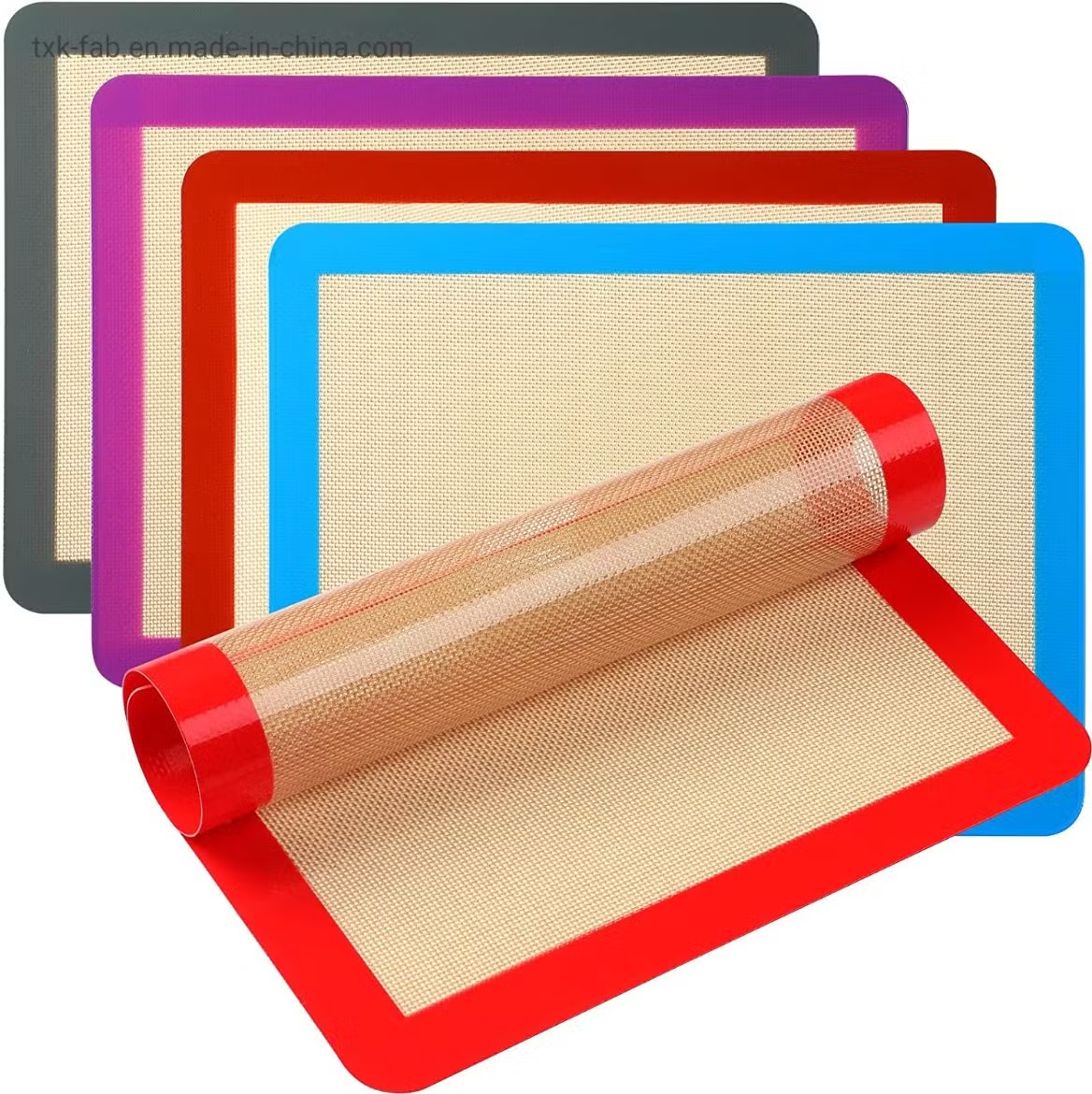
Image source: Web (Bing) / txk-fab.en.made-in-china.com (Web image (fair-use with source credit))
Manufacturer specifications indicate this design is standard for most popular baking mat brands. If you look at the edge of a mat like this, you can often see the white or tan fiberglass threads poking out slightly. That's your clue that it's a reinforced mat.
Now, here's where it gets tricky. Some mats claim to be 100% silicone. These are usually thicker, more flexible, and have no internal mesh.
You can bend them, stretch them slightly, and cut them freely without exposing any fibers. The trade-off is that they're less stable and can warp more easily at high temperatures.
So before you cut anything, you need to figure out which type you own. Here's how:
- Check the product description. Look for phrases like "with fiberglass core," "fiberglass reinforced," or "mesh layer." If you see that, treat it as a no-cut mat.
- Look at the edge. Reinforced mats often show tiny woven threads at the cut edge or the rim. 100% silicone mats have a uniform, smooth edge with no visible fibers.
- Pinch and stretch. Squeeze the mat between your fingers. A reinforced mat feels slightly stiffer and recovers its shape instantly. A 100% silicone mat feels softer, more pliable, and stretches slightly before returning.
If you're still unsure, contact the manufacturer. Most brands have customer support that can confirm the construction. It's worth the 5-minute call to avoid ruining the mat.
The Decision Tree: Should You Cut Your Mat?
This is the heart of the matter. The right decision depends on your specific situation, your mat's construction, and what you're trying to achieve. Let's walk through it step by step.
Step 1: Identify Your Mat Type
Ask yourself: does my mat have a fiberglass core or is it 100% silicone?
- If it has a fiberglass core: Stop here. Do not cut. The risks aren't worth it. Frayed edges can shed glass fibers into your dough, cookies, or roasted vegetables. Even if you seal the edges, the heat of the oven can cause the cut ends to degrade over time.
- If it's 100% silicone: You're clear to proceed. You can trim it to any size or shape without structural or safety concerns.
Step 2: Consider Why You Want to Cut It
Let's imagine you have a standard half-sheet pan that's 18 x 13 inches. Your mat is meant for a full sheet pan, so it's oversized by a few inches. Cutting it down to fit is a reasonable, practical fix.
But consider another scenario. You're using a mat that already fits, but you want to trim off a small corner to fit a specific pan shape. That's also fine, as long as you're working with 100% silicone.
The bigger question is whether cutting is actually the best solution. In our research, aggregate user reviews report that many people cut their mats successfully, but an equally large number regret it because the edges curled or the mat no longer lay flat. So ask yourself: is the oversized mat actually causing a problem, or is it just an aesthetic annoyance?
Step 3: Decide Based on Your Situation
Here's a simple breakdown:
| Situation | Recommended Action |
|---|---|
| Mat with fiberglass core, any size | Do not cut. Buy the correct size or use it as-is. |
| 100% silicone mat, oversized | Safe to cut. Follow the steps below. |
| 100% silicone mat, fitting but slightly off | Safe to cut. Precision matters more. |
| Mat curling at the edges after cutting | Likely a cutting technique issue. Re-cut with a sharp blade. |
| Mat fraying or showing fibers after cutting | You likely had a fiberglass core. Discard the mat. |
If you land in the "do not cut" category, don't feel bad. You can still use the mat as-is, or you can repurpose it for crafts, as a soil cover, or as a non-stick surface for rolling clay. It doesn't have to go to waste.
How to Cut a 100% Silicone Mat (Step-by-Step)
Alright, you've confirmed your mat is 100% silicone and you're ready to trim it. Good call. It's a straightforward process, but the details matter.
Here's exactly how to do it right.
Tools You'll Need
Before you start, gather the following:
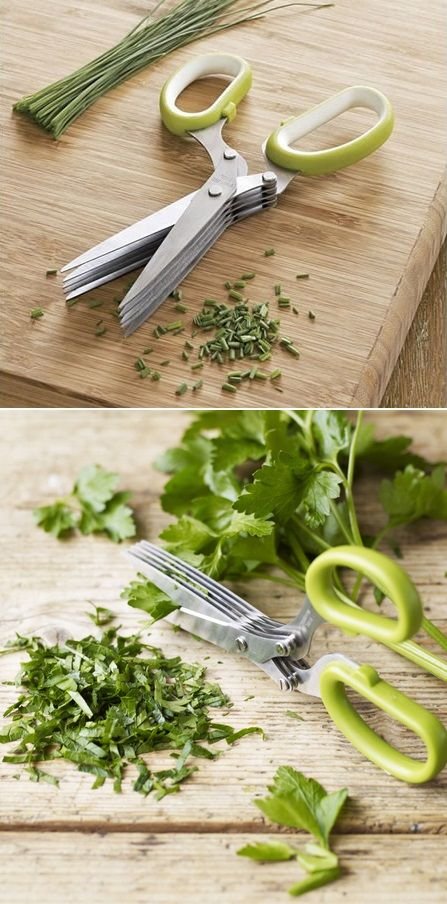
- A sharp pair of kitchen shears or scissors
- A ruler or straight edge
- A washable marker or a piece of chalk
- A clean, flat cutting surface
That's it. No special equipment required. A rotary cutter works well too, but scissors are easier to control for most people.
Marking the Cut Line
Lay your mat flat on the cutting surface. Place your pan on top of it, centered the way you'd actually use it. Use your marker to trace the outline of the pan onto the mat.
You're not marking the exact edge of the pan; you're marking just inside it, so the mat sits slightly recessed and doesn't bulge up the sides of the pan.
Use your ruler to draw a straight line along your traced outline. Take your time here. A crooked line is hard to fix once you've cut.
The Cutting Technique
This is where most people mess up. You don't saw the scissors back and forth. You make one clean, continuous cut along your line.
Here's the process:
- Hold the mat firmly with your non-dominant hand.
- Start at one end of your marked line.
- Use long, smooth strokes with your scissors. Don't stop and restart mid-line.
- Keep the blade flush against the mat. You want to cut straight through in a single pass.
If you're trimming a curve, make small, deliberate snips. And if you're working with a particularly large mat, consider cutting it in two passes: first a rough cut, then a precise finish cut along the line.
Finishing the Edges
Once you've cut the mat, you'll notice the edges might be slightly rough. That's normal. To smooth them, run your finger along the cut edge.
If you feel any burrs, gently buff them with a fine-grit nail file or a piece of fine sandpaper. Just a light pass or two will do.

Image source: Bing (Web (fair-use with source credit))
Wash the mat with warm soapy water before your first use. This removes any loose silicone particles and ensures the surface is clean for baking.
What Happens If You Cut a Fiberglass-Core Mat?
Let's be clear about this, because it needs to be stated plainly. Cutting a fiberglass-core mat is a bad idea, full stop. Here's what actually happens when you do it.
The fiberglass mesh inside the mat is woven from tiny glass fibers. When you cut through it, those fibers get exposed at the cut edge. They don't stay neatly contained.
They fray, they shed, and they can work their way into whatever you're baking.
Think about that. You're rolling out cookie dough. The dough presses against the cut edge.
Microscopic glass fibers embed in the dough. You bake it. You eat it.
That's not something you want to mess with.
Beyond the health concern, there's a functional problem. The structural integrity of the mat is compromised. The fiberglass core is what keeps the mat from stretching.
Once you cut through it, the mat can deform, bubble, or warp at high temperatures. You'll likely end up with a mat that doesn't perform well even if you never notice the fibers.
Medical and food safety standards, including FDA guidelines for food-contact materials, recommend against using products that can shed contaminants into food. A cut fiberglass mat falls squarely into that category.
If you've already cut a fiberglass mat and used it, don't panic. The fibers are generally not sharply pointed and most are too large to be a serious inhalation risk. But stop using the mat immediately and discard it.
It's not worth the risk.