Are Herb Scissors Safe for Kids? What Parents Should Know
If you've ever watched your kid try to help chop herbs, you know the immediate panic that sets in. Can kids use herb scissors safely? The short answer is yes, but only under the right conditions.
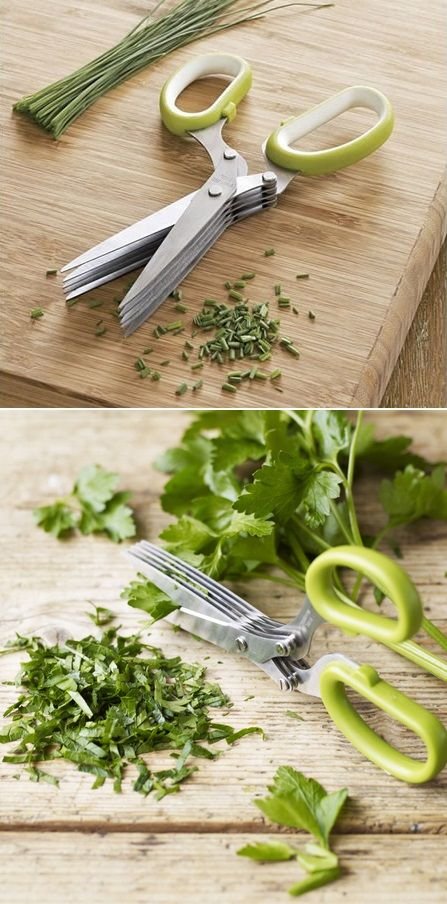
Multi-blade herb scissors, typically featuring three to five stainless steel blades, offer a unique middle ground between a standard knife and clumsy tearing.
According to the American Academy of Pediatrics, kitchen safety depends heavily on a child's developmental stage rather than a strict age limit. As of 2026, many parents still hesitate to introduce sharp tools too early. Let's break down exactly when and how to let your child use these tools without a trip to the ER.
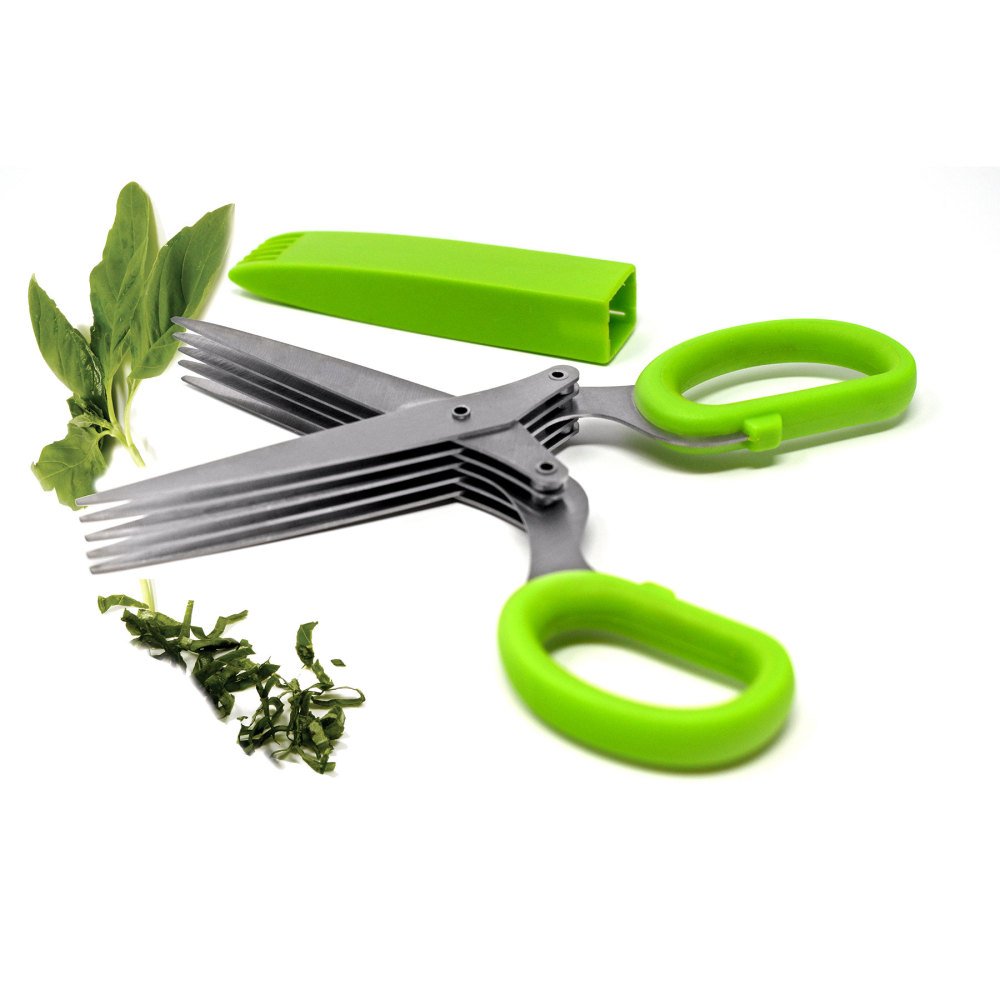
Image source: Web (Bing) / maxiaids.com (Web image (fair-use with source credit))
Quick Answer: Can Kids Actually Use Herb Scissors Safely?
Yes, kids can use herb scissors safely. They need close adult supervision. The child must be at least eight years old.
Younger kids lack the required fine motor skills. You must teach the proper grip first. Never leave a child alone with multi-blade scissors.
Why Herb Scissors Are a Unique Safety Challenge
Herb scissors aren't like regular kitchen shears. They usually feature three to five sharp blades lined up parallel to each other. This multi-blade design is what makes them so efficient at snipping chives or dill in seconds.
It is also what makes them uniquely dangerous for small hands.
The space between those blades is a major hazard. A curious finger can easily slip between the metal when a child squeezes too hard. Standard scissors have one pivot point and two blunt edges to worry about.
Multi-blade scissors trap herb pulp and juice quickly, making the blades slippery during use.
If a child loses grip, the tool can twist in their hand. The micro-serrated edges that help cut tough stems can easily catch skin. You have to treat herb scissors with the same respect you give a paring knife.
The mechanics are completely different from standard craft scissors.
The Right Age to Introduce Multi-Blade Scissors
There is no universal age when kids suddenly become safe with sharp kitchen tools. However, most Montessori kitchen guidelines suggest introducing real culinary tools around age five. That usually starts with nylon or plastic knives for soft foods.
Herb scissors require a higher level of coordination.
In our research, we found that eight years old is the sweet spot for multi-blade scissors. At this age, children generally have the hand strength to hold the handles closed firmly. They also have better impulse control and can follow multi-step safety instructions.
If your child is younger than eight, stick to a pull-string herb chopper or nylon knives. If they are eight or older, you can introduce herb scissors with heavy supervision. You know your child best.
Some ten year olds still struggle with fine motor tasks, so adjust your timeline based on their actual skills.
Assessing Fine Motor Skills and Readiness
How do you know if your kid is actually ready for herb scissors? You need to watch how they handle standard safety scissors first. If they struggle to cut a straight line on paper, they are not ready for multi-blade kitchen shears.
Look at their grip. Do they hold the scissors using their whole fist, or do they use a proper tripod grip with their thumb and two fingers? A whole-hand grip means they will lose control when the herb scissors meet resistance from a thick stem.
Test their response time. Have them hold regular scissors over a bowl and tell them to freeze immediately. If they cannot stop moving instantly, they are not ready.
Herb scissors require stopping on a dime if the tool slips.
Pros and Cons of Kids Using Herb Scissors
Before you hand over a pair, weigh the actual benefits against the risks. Here is a quick breakdown of what to expect.
Pros:
- Keeps fingers away from a traditional chef's knife blade
- Snips herbs directly over a bowl or pan
- Faster prep time for delicate greens
- Builds fine motor skills and kitchen confidence
- Reduces overall knife usage for simple garnishing tasks
Cons:
- Multi-blade design increases the chance of trapped fingers
- Difficult to clean, leading to hidden cut hazards
- Requires constant, unbroken adult supervision
- Uneven cutting pressure can cause the tool to slip
- Standard handles are often too stiff for small hands to operate
The cons don't mean you should ban the tool entirely. They just mean you need to approach the task with clear eyes. The benefits of building kitchen confidence are real, but only if the risk is managed properly.
Step-by-Step: Teaching Kids to Use Herb Scissors Safely
Teaching a child to use herb scissors requires a strict, step-by-step process. Do not rush this. Set up the workspace before you even call the kid into the kitchen.
Setup and Grip
Start with a flat, non-slip surface like a wooden cutting board. Place a small bowl right in front of where the child will stand. Make sure the herb scissors are clean and completely dry.
Have the child wash and dry their hands thoroughly. Wet hands slip on metal handles. Show them how to hold the scissors using their thumb and middle finger in the loops, with their index finger resting on the outside of the handle for stability.
Do a few practice snips in the air. If the hinge is too stiff, apply a drop of food-grade mineral oil to the pivot point. A stiff hinge forces the child to use their whole arm, which leads to unpredictable movements.
The Cutting Motion and Hand Placement
Place a small handful of soft herbs, like chives or dill, into the bowl. Tell the child to position the scissors directly over the bowl. The hand not holding the scissors must go behind their back.
This is a hard rule. If the off-hand is anywhere near the blades, a slip will end badly.
Instruct them to use short, quick snipping motions rather than one big squeeze. Long, hard squeezes cause the blades to bind and the handles to twist. Keep the blades pointing straight down into the bowl.
After every three or four snips, have them stop and look at the bowl. This resets their focus and prevents them from entering a mindless cutting rhythm. If the blades get clogged with green pulp, take the scissors away, clean them yourself, and hand them back.
Frequently Asked Questions
What age is safe for herb scissors?
Most experts recommend age eight for multi-blade herb scissors. Younger children lack the hand strength and coordination. They should stick to nylon kitchen knives or pull-string choppers until their fine motor skills mature.
Are herb scissors safer than a regular knife?
They can be safer because they keep fingers away from a long blade. However, the multi-blade design traps pulp and can pinch skin. They require the same strict supervision as a small paring knife.
How do you clean herb scissors safely?
Use the small comb tool that comes with the scissors. Comb the blades from the base to the tip to remove trapped herbs. Wash them immediately in hot, soapy water and dry them fully before putting them away.
Can toddlers help chop herbs?
Toddlers should never use herb scissors. Instead, let them wash herbs in a colander. They can also tear soft herbs like basil with their hands to feel included in the cooking process.
What should I do if the scissors slip?
Take the scissors away immediately. Check the child's fingers for cuts or pinches. Clean the tool and reassess the stiffness of the pivot hinge before trying again.
Do herb scissors work on all herbs?
They work best on soft, leafy herbs like cilantro and chives. They struggle with tough, woody stems like rosemary. Trying to cut woody stems forces the blades apart, which is dangerous for kids.
Common Mistakes and Safety Risks to Watch For
Kids naturally want to speed up when they get the hang of a task. That is exactly when accidents happen with multi-blade scissors. Watch out for these common errors during the cutting process.
Reaching under the blades. Kids often try to push stray herbs back under the blades with their fingers. Stop them immediately. The micro-serrated edges will catch a fingertip instantly.
Using a stiff hinge. If the scissors require too much force to close, the child will use their whole arm. This causes the tool to jerk suddenly. Always lubricate a stiff pivot point before letting them start.
Cutting woody stems. Herb scissors are made for soft greens like chives and dill. Trying to cut rosemary stems forces the blades apart and causes the tool to slip sideways.
Leaving the off-hand forward. The hand not holding the scissors must stay behind their back. If it hovers over the bowl, it will eventually end up under the blades.
Herb Scissors vs. Other Kids' Cutting Tools
Herb scissors are just one option for getting kids involved in the kitchen. It helps to compare them against other common tools to see which fits your child best.
| Tool | Recommended Age | Safety Level | Best For |
|---|---|---|---|
| Nylon kitchen knife | 4+ years | High | Soft veggies, fruits |
| Pull-string chopper | 5+ years | High | Nuts, onions, herbs |
| Crinkle cutter | 6+ years | Medium | Firm veggies, carrots |
| Multi-blade herb scissors | 8+ years | Low/Medium | Leafy herbs, chives |
A nylon knife is the safest starting point for young kids. It cuts soft foods but cannot break skin. However, it is useless for garnishing.
A pull-string chopper is great for herbs. It encloses the blades entirely inside a cup. The child pulls a string to spin the blades safely inside the plastic housing.
Herb scissors win for teaching actual scissor mechanics. They are riskier than the chopper, but they teach a skill the child will use forever. If your child is not ready for the scissors, choose the pull-string chopper instead.
Cleaning and Maintenance to Prevent Injuries
A dirty pair of herb scissors is a hazard. Herb juice dries quickly and acts like glue between the blades. This makes the hinge stiff and unpredictable.
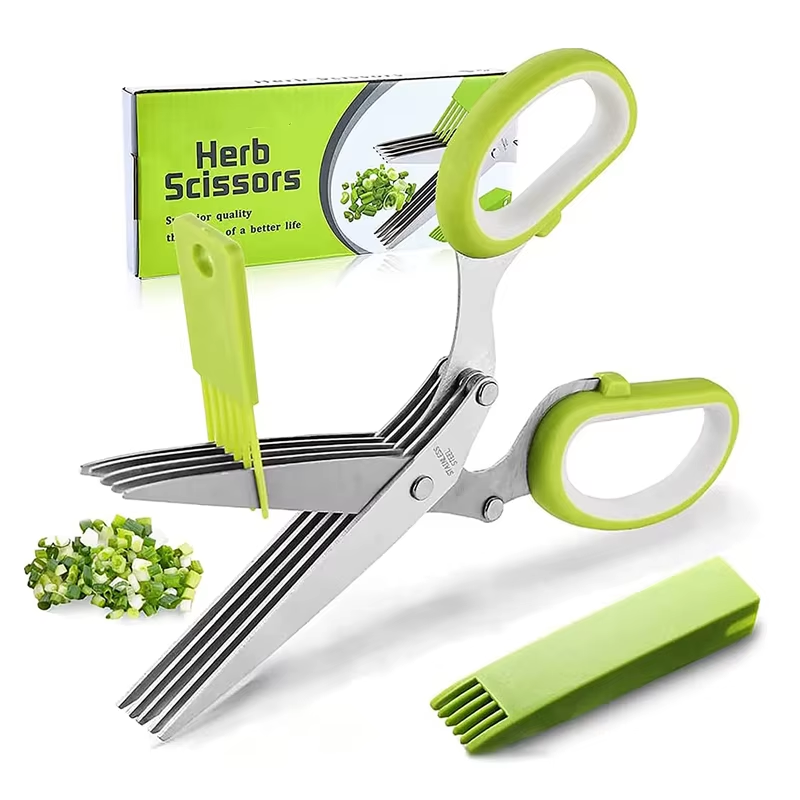
Image source: Web (Bing) / powerlandscape.com (Web image (fair-use with source credit))
Most herb scissors come with a small comb accessory. This comb fits perfectly between the blades. You must use it immediately after cutting to clear the pulp before it dries.
Teach your child to hand the scissors to you handle-first when they finish. Tell them they should never try to clean the blades themselves. Wash the tool in hot soapy water, using the comb to push out trapped debris.
Dry the scissors completely. Trapped moisture leads to rust, which degrades the blade edge and creates a tearing hazard. Store them out of reach of small hands.
Real-World Scenarios: When to Let Them Help
Cooking context matters. There are times when letting a kid use herb scissors is a great idea, and times when you should just do it yourself.
Good scenario: Sunday meal prep. You are making a big batch of soup. You have plenty of time to supervise. The child stands at the counter with you and snips parsley for ten minutes.
Bad scenario: Busy weeknight dinner. You are rushing to get food on the table. You are distracted by three other pans. Skip the herb scissors and tear the herbs yourself.
Good scenario: Garnishing a pizza. The child snips fresh basil directly over a cooled pizza. There is no time pressure, and the task is quick.
Bad scenario: Chopping a huge pile. If the recipe calls for two cups of chopped cilantro, their hands will get tired. Fatigue leads to mistakes. Give them a small handful and finish the rest yourself.
When to Step In or Seek Help
Accidents happen even with the best preparation. You need to know when a mistake requires medical attention.
If the blade nicks the skin, stop the activity immediately. Wash the cut under cold water. Apply pressure with a clean cloth.
Most herb scissor cuts are shallow. The blades are sharp but short. However, watch for signs of a deeper puncture, especially if the child squeezed hard and the tip went into the finger.
If the cut will not stop bleeding after five minutes of pressure, seek medical care. If the blade was rusty or dirty, you may need to check their tetanus status. For minor cuts, clean the area, apply a bandage, and give the kitchen a rest for the day.
Expert Tips for Safe Kitchen Time
Safety goes beyond the tool itself. The environment you set up determines how well the child handles the task.
Use a step stool. The child needs to be at the right counter height. If they are stretching up, they cannot control their arm muscles. A sturdy stool brings them to elbow height with the counter.
Limit the session time. Ten minutes is the maximum for an eight year old using multi-blade scissors. Hand fatigue sets in fast. Stop before they get tired and sloppy.
Keep the mood calm. Do not play loud music or have the TV on in the background. Kids need total focus when using sharp tools. Distraction is the enemy of safety.
Lead by example. Use the herb scissors yourself first. Show them how you keep your off-hand back and how you use short snips. Kids learn better by watching than by listening to instructions.
Final Recommendation: Should Your Kid Use Them?
Yes, kids can use herb scissors safely if you follow strict guidelines. They should be at least eight years old and have a proven grip on standard scissors. The tool offers a great way to build fine motor skills and kitchen confidence.
However, you must treat the tool with the same respect as a paring knife. It is not a toy. If you are too busy to watch them every second, choose a pull-string chopper instead.
The risk of a serious cut is always present. Use your judgment, keep the scissors clean, and teach the process step by step.
When to Step In or Seek Help
Step in immediately if the tool slips, if the child loses focus, or if the blades get jammed with herb pulp. You should also intervene if you notice the child using a whole-hand grip instead of a proper tripod hold. Stop the session if their hands look tired, since fatigue causes sudden jerks.
Check the fingers right away if the metal touches skin. Wash any minor nicks under cold water and apply pressure with a clean cloth. Seek professional medical care if the cut is deep, will not stop bleeding after five minutes, or if you suspect the micro-serrated edge damaged a tendon.
Keep an eye out for hidden rust. If the blades were not dried properly after a previous session, rust can form between the tight gaps. Do not let a child use rusty scissors, as this increases infection risks and degrades the metal edge.
Expert Tips for Safe Kitchen Time
Set up a designated cutting station before calling the child over. Use a sturdy step stool to bring them to counter height. If they are reaching up or stretching, they will not have the leverage needed to control the stiff hinge on multi-blade scissors.
Keep the sessions short. Ten minutes of active cutting is the maximum for an eight year old. Hand fatigue sets in fast with repetitive squeezing motions.
When their grip weakens, the risk of slipping skyrockets.
Use soft herbs only. Chives, dill, and cilantro are perfect for these blades. Skip woody herbs like rosemary or thyme, as they force the blades apart and create unpredictable snapping motions.
Maintain a calm environment. Turn off the TV and keep siblings out of the immediate workspace. The child needs total focus to handle sharp culinary tools safely.
Frequently Asked Questions
What age is safe for herb scissors?
Most experts suggest age eight as the minimum for multi-blade herb scissors. Younger children typically lack the hand strength and fine motor control needed to squeeze a stiff hinge safely. Always assess their ability with standard safety scissors first.
Are herb scissors safer than a regular knife?
They can be safer for small garnishing tasks because they keep fingers away from a long blade. However, the multi-blade design traps pulp and creates hidden pinch points. They require the exact same strict supervision as a small paring knife.
How do you clean herb scissors safely?
Use the small comb accessory that comes with the tool to pull trapped pulp out from between the blades. Wash them in hot soapy water immediately after use. Dry them completely to prevent rust from forming in the tight gaps.
Can toddlers help chop herbs?
Toddlers should never use herb scissors. Instead, let them wash herbs in a colander or tear soft basil leaves with their hands. Wait until they are much older before introducing any sharp culinary tools.
Do herb scissors work on all herbs?
They work best on soft, leafy greens like cilantro and chives. They struggle with tough, woody stems like rosemary. Trying to cut woody stems forces the blades apart and creates a dangerous slipping hazard.
What should I do if the scissors slip?
Take the scissors away immediately and check the child's fingers for cuts. Clean the tool and inspect the pivot hinge to see why the slip happened. Only resume the task if you can fix the stiffness or grip issue.