Are Herb Scissors Worth It? A Straight Answer
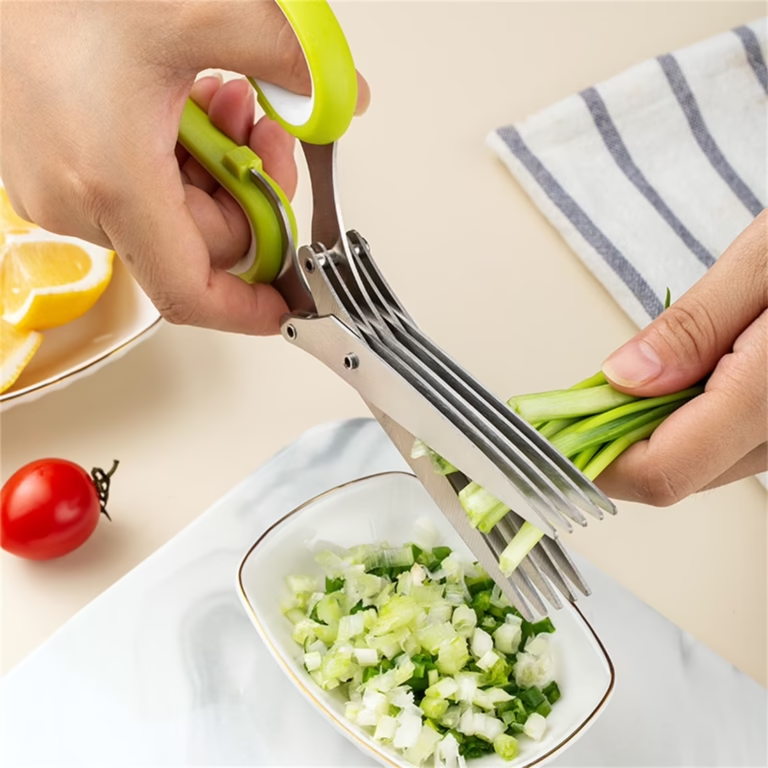
Are herb scissors worth it? That depends on your cooking routine, the herbs you use, and how patient you are at cleanup. For some cooks, multi-blade herb scissors save serious time.
For others, they're a gadget that barely gets used.
Here's what our research found. As of 2026, dependable herb scissors run roughly $10 to $25, with stainless steel blades and four to seven cutting edges. Top brands like OXO and Kuhn Rikon earn consistent praise.
But aggregate reviews keep circling back to cleanup, which is where most sets win or fail.
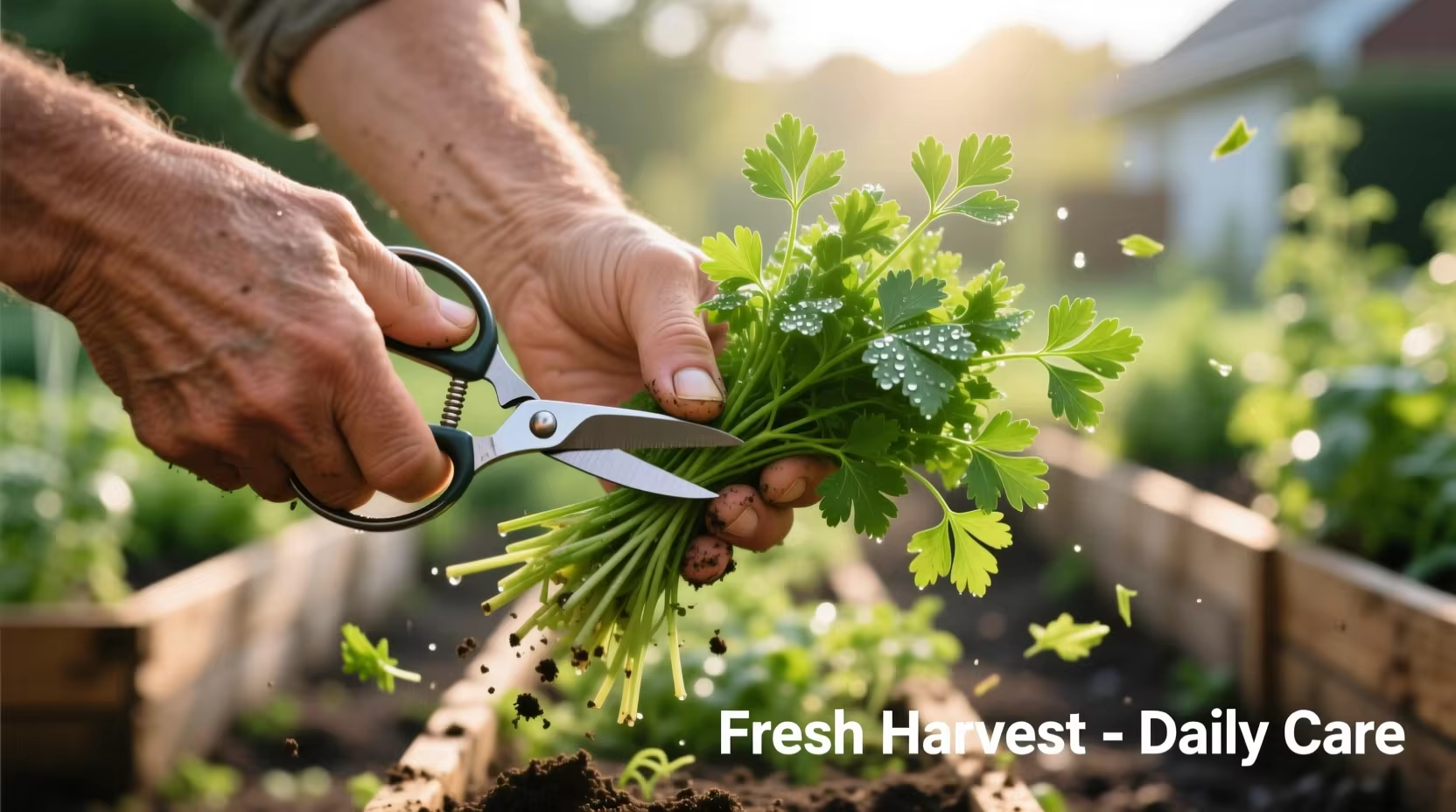
Image source: Web (Bing) / spice.alibaba.com (Web image (fair-use with source credit))
Quick Answer: Are Herb Scissors Actually Worth It?
Are herb scissors worth it? Yes, but only for cooks who use fresh herbs regularly. Sturdy herbs like parsley and chives work best, while delicate basil and mint get bruised.
You also have to accept hand-washing the blades. If that sounds like you, a good pair pays off.
The Real Problem: Chopping Herbs Is a Chore, Not a Skill
Fresh herbs are genuinely annoying to prep by hand. Leaves slide across the board, chives roll away from the knife, and parsley leaves scatter. Stems need a second pass.
If you've cooked with fresh herbs more than a few times, you've lived this.
This is exactly the problem herb scissors try to solve. Instead of chopping on a board, you snip straight into the pan, bowl, or plate. That's fast.
The tool just shifts the hassle from prep to cleanup.
The interesting question is why pro kitchen habits rarely include this tool. Chefs overwhelmingly stick with knives for a reason. Home cooks have different constraints, like less counter space, duller knives, and busier weeknights.
That's why this gadget makes sense for some people and none for others.
If you already enjoy chopping herbs with a knife, stop reading. This gadget won't woo you. If you dread the chopping part, keep going.
The next section will tell you whether scissors are the answer.
What We're Comparing: Herb Scissors vs. a Sharp Chef's Knife
Let's set both tools side by side. Each one gets herbs from stem to plate. They just take different routes.

Image source: Web (Bing) / amazon.com (Web image (fair-use with source credit))
| Tool | Best For | Output | Cleanup | Skill Needed |
|---|---|---|---|---|
| Herb scissors | Big bunches, quick snips, direct into the dish | Coarse strips | Slow, hand-wash required | None |
| Chef's knife | Everything, including fine mince and chiffonade | Fine, even pieces | Quick, board and blade rinse | Basic knife skills |
The knife wins on versatility. One blade handles herbs, onions, meat, garlic, and everything else. Herb scissors only cut soft greens and thin stems.
If you're short on storage, that single-purpose limitation really matters.
But the knife loses on speed for one narrow task. When a recipe calls for a handful of chives sprinkled over the top, snipping them directly from a bunch is faster than fetching the board, mincing, and washing up. That's the niche scissors own.
There's also a texture difference. A sharp chef's knife produces a fine, clean mince. Herb scissors produce strips, which works for garnishes but not for sauces that need herbs to release their oils.
If you're leaning toward buying, the sets we'd recommend balance price, blade count, and easy cleaning. Reputable brands build their blades from stainless steel that meets FDA food-contact standards, so look for that in the specs.
The 4 Questions That Decide Whether They're Worth It for You
Before you spend $15 to $25, answer these four questions honestly. Your answers map directly to the decision tree below.
How Often Do You Cook with Fresh Herbs?
Frequency is the single biggest factor. If you buy one bunch of parsley for a single recipe and let the rest rot in the fridge, skip the scissors. If you're buying herbs more than twice a month or pulling them from a garden weekly, the daily-use reality is worth checking before you commit.
Which Herbs Do You Use Most: Sturdy or Delicate?
Sturdy herbs are the scissors' sweet spot. Parsley, cilantro, chives, dill, and rosemary all cut cleanly between the blades. Soft herbs like basil and mint bruise quickly and turn dark at the edges.
If your cooking revolves around basil, hand-tearing or a knife will serve you better.
Are You Willing to Hand-Wash a Blade-Filled Gadget?
The number one complaint in aggregate reviews is leaf pulp stuck between the blades. Even dishwasher-safe sets benefit from immediate rinsing and hand-drying. If you already dread washing dishes, this tool will become a drawer ornament.
Be honest with yourself here.
Do You Already Own a Knife You Love?
A sharp chef's knife handles 95% of kitchen prep without breaking a sweat. If you have one and feel confident using it, herb scissors are a convenience, not a need. If your knife is dull or you avoid it, scissors feel far more approachable.
Left-handed cooks face a mixed bag with blade orientation, so the left-hand experience is worth reading before buying.
The Decision Tree: Follow the Path That Fits Your Kitchen
Now let's turn those answers into a clear call. Find the path that matches your situation.
Path 1: High-Volume, Sturdy Herb Users → Buy
If you cook with parsley, chives, or dill more than once a week, herb scissors pay for themselves quickly. Snip directly into soups, sauces, and salads. Pick a stainless steel 5-blade model with a spring-loaded handle.
Clean it right after use and it will last for years.
Path 2: Occasional, Delicate Herb Users → Skip
If you use herbs a few times a month and lean toward basil or mint, skip the scissors. A chef's knife or gentle hand-tearing keeps herbs brighter and offers better texture. You'll save money, drawer space, and cleanup time.
Path 3: Limited Grip or Hand Strength → Consider
If arthritis, injury, or general hand fatigue makes knife work uncomfortable, herb scissors are a practical accommodation. Spring-loaded handles do the opening work for you. They're also popular with families.
Our safety rundown explains what to watch for if a child joins in.
Path 4: Weeknight Speed Seekers → Buy, But Know the Tradeoff
If you want dinner on the table fast, herb scissors deliver. Snipping directly into the pan cuts out the board and the extra bowl. The time you save in prep, you'll spend at the sink.
Accept that tradeoff and you'll still come out ahead.
One warning: never use them on nuts, hard cheese, or anything else firm. The blades will dull almost immediately.
What Good Herb Scissors Do Well (and Where They Fall Short)
The honest take is that herb scissors nail one narrow job. They turn fresh herbs into quick, uniform strips. Everything else depends on your expectations.
What they genuinely do well:
- Speed. A whole bunch of parsley becomes snips in about ten seconds.
- Direct-to-dish cutting. You can aim them straight into a pan, which skips the cutting board entirely.
- Low risk. Spring-loaded handles keep big knife blades away from curious fingers.
- No skill barrier. If you can squeeze a trigger, you can prep herbs.
Where they disappoint:
- Texture. You get coarse strips, not a fine mince. Basil turns dark under blunt pressure.
- Limited scope. They only handle soft greens and thin stems. Nothing hard.
- Cleanup. You trade prep time for wash time, which is exactly the catch in the next section.
The Cleanup Catch: Why Stuck Leaf Bits Make or Break This Tool
The number one complaint in user reviews isn't cutting performance. It's the leaf pulp stuck between blades.
Dried parsley hardens like glue. Chive rings wedge into the gaps between the blades. The more blades you have, the more hiding spots.
If you set the scissors down for ten minutes, you've made your job harder.
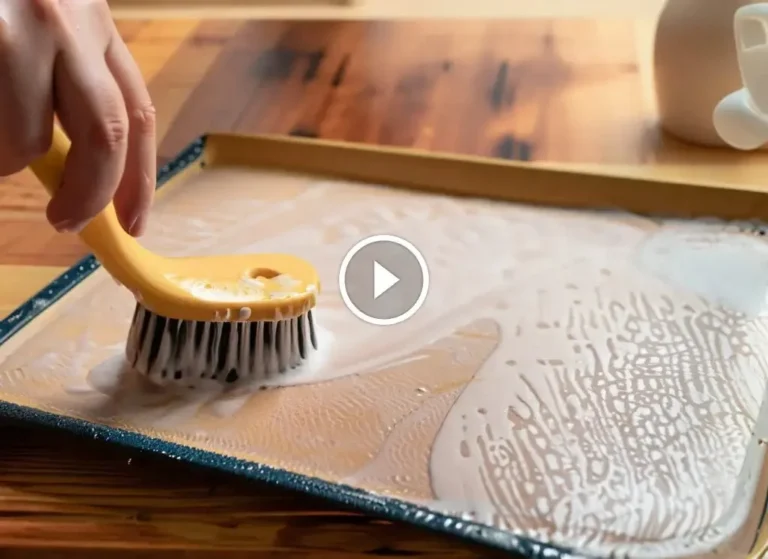
The fix is a routine you can live with. Rinse them under hot water immediately after snipping. Open the blades fully and let the stream run through the gaps.
A stiff toothbrush or a wooden skewer clears anything stubborn.
Some designs make this easier than others. Split-hinge models let you open the blades for scrubbing. A few come with a small plastic comb built in.
If cleanup is your main worry, that's the design detail to check before you buy.
Common Mistakes to Avoid with Herb Scissors
User reviews across the board repeat the same four mistakes. Dodge them and your scissors will last far longer.
- First, overloading the blades. Shoving a fat bundle into five narrow cuts clogs the gaps and crushes the bottom layer. Work in small, loose handfuls.
- Second, cutting wet herbs. Water on leaves mixes with plant juices into a sticky paste. Pat herbs dry before snipping.
- Third, using them on anything hard. Nuts, cheese, and thick carrot slices will dull or chip the edges instantly.
- Fourth, trusting the dishwasher. The hot cycle warps handles and weakens blades over time. Hand-washing is gentler and fast once you build the habit.
Damp storage is the silent killer. Dry the blades with a towel, then let the scissors air out fully before they go back in the drawer.
How to Choose a Good Pair Without Overpaying
You don't need a $40 set to get a good one. You need the right five features, nothing more.
- Five blades is the sweet spot. Seven cuts faster but clogs more. Four is fine if chives are your main herb.
- Stainless steel is non-negotiable. Coated blades chip and rust.
- Spring-loaded handles save your hand during big batches.
- Split-hinge or detachable blades make cleanup dramatically easier.
- A blade guard protects both your fingers and the edges in a drawer.
Stick with trusted brands. OXO, Kuhn Rikon, and Swissmar dominate verified buyer recommendations, with prices from $12 to $25. Their official product pages list exact blade materials and cleaning details.
If a listing won't say what steel it uses, skip it. For a quick shortlist, top-rated models narrow the field further.
Maintenance and Blade Care: Cleaning, Drying, and When to Replace
Routine care is short and mechanical. It just has to be consistent.
After each use, rinse the blades immediately. Soap and warm water work fine. Use a toothbrush or skewer to clear leftover leaf bits.
Dry the blades completely, including the hinge.
Oil the hinge every few months with food-safe mineral oil. This keeps the action smooth and prevents rust at the pivot point. Skip WD-40 or cooking spray near food surfaces.
Watch for the dullness point. When blades start crushing stems instead of slicing them, the edge is gone. Replacement sets cost about the same as sharpening services, so most home cooks just swap in a fresh pair.
Real Scenarios: When They Save the Day and When They Gather Dust
If you grow parsley in a summer garden, this is the tool you reach for nightly. A handful of leaves becomes snips in ten seconds, straight into soups, salads, and scrambled eggs. Rinse, dry, and done.
If basil is your main herb, the scissors disappoint. The blades bruise the leaves. Dark edges appear within minutes.
You go back to tearing by hand. The tool ends up resting in the drawer next to the garlic press.
The pattern is clear. Scissors thrive when your herbs are sturdy and frequent. They gather dust when your rotation is delicate and occasional.
Final Verdict: Follow These 3 Steps to Decide for Good
Walk through this quick process, and you'll have your answer in under a minute.
- Count your last month of cooking. Did you prep fresh herbs at least three times? If no, skip the drawer space.
- Name your top three herbs. Parsley, chives, dill, or cilantro? A 5-blade set will earn its place. Basil or mint? Save the money.
- Be honest about cleanup. If you won't rinse and dry the blades right away, the tool becomes a chore.
The bottom line: a quality pair uses about $15 to $25 of kitchen space. For regular cooks who use sturdy herbs, that's a fair trade. For everyone else, a sharp chef's knife stays the better buy.
Frequently Asked Questions
Can herb scissors replace a chef's knife?
No. They speed up one narrow task. A knife still wins for texture, versatility, and fine minces.
Keep both if you have the drawer space.
How do I clean herb scissors properly?
Rinse them immediately after use, then open the hinge and let water run through the blades. Use a stiff toothbrush for stuck bits. Dry everything completely.
Why do my herb scissors keep clogging?
Leaf pulp dries and sticks between the blades. Wet herbs make it worse. Pat herbs dry first and rinse the scissors within seconds of your last snip.
Are more blades better for cutting herbs?
Five blades handle most home cooking. Seven blades cut faster but trap more leaf bits. Four blades work well for chives, but they feel slow on larger bunches.
Are herb scissors safe for children to use?
They're safer than knives, but not risk-free. The blades are sharp, and the hinge can pinch. Supervise kids and look for models with a blade guard.
Our guidance for parents goes into more detail.