Platinum vs Regular Silicone Baking Mats: What’s Different?
Most shoppers hit the same wall when comparing Platinum Silicone vs Regular Silicone Baking Mats: one costs twelve quid, the other costs thirty-five, and both listings claim to be food-grade. The word "platinum" doesn't mean the mat contains precious metal. It refers to the catalyst used to cure the silicone rubber, and that single manufacturing choice affects smell, heat tolerance, and how long the mat survives.
Here's the part that actually matters. Per German BfR Recommendation XV, properly finished silicone should hold volatile content at or below 0.5% after post-curing, and platinum-cured silicone starts far closer to that number because its reaction leaves almost no byproducts behind. Regular peroxide-cured silicone gets there too, but only if the factory bakes it out properly.
That gap in manufacturing discipline is where most of the real-world difference lives.

Image source: Bing (Web (fair-use with source credit))
Quick Answer
Platinum-cured silicone mats cure without chemical byproducts. Regular peroxide-cured mats leave residues that must be baked out at the factory. Platinum mats smell less, tolerate higher heat, and typically last three to five years.
Regular mats cost roughly half as much and work fine for standard baking under 425°F. Both meet FDA food-contact rules when made correctly.
The Short Answer: Does Platinum Cure Actually Matter for a Baking Mat?
Yes, but less than the marketing suggests, and more than the bargain sellers admit.
If you bake cookies twice a month at 350°F, a well-made peroxide-cured mat will serve you honestly for a couple of years. The heat never approaches the material's limit. The cure residues have long since off-gassed.
You're not stressing the silicone in any meaningful way.
The picture changes when you push the mat hard. Sugar work at 300°F for extended holds, sourdough loading at 475°F, or a bakery running the same mat four times a day: that's when the cure chemistry starts showing itself. Platinum-cured silicone has better tear strength and holds its shape longer under repeated thermal cycling.
Where platinum genuinely earns the premium:
- Daily or near-daily use in a working kitchen
- Sustained temperatures above 425°F
- Sensitivity to smell or taste transfer in delicate bakes
- Households that want the fewest possible additives in food-contact gear
Where regular silicone is perfectly sensible:
- Weekend baking at moderate temperatures
- Roasting vegetables and sheet-pan dinners
- A second or third mat for overflow
- Anywhere you'd be annoyed but not devastated to replace it
The honest summary as of 2026: platinum cure is a quality upgrade, not a safety requirement. Both types pass food-contact regulations when the manufacturer does its job.
What "Platinum" and "Regular" Actually Mean (It's About the Curing Process, Not the Metal)
Both mats start as the same base polymer, polydimethylsiloxane, better known as PDMS. It's a liquid or paste until it's crosslinked into a solid rubber. How that crosslinking happens is the entire argument.
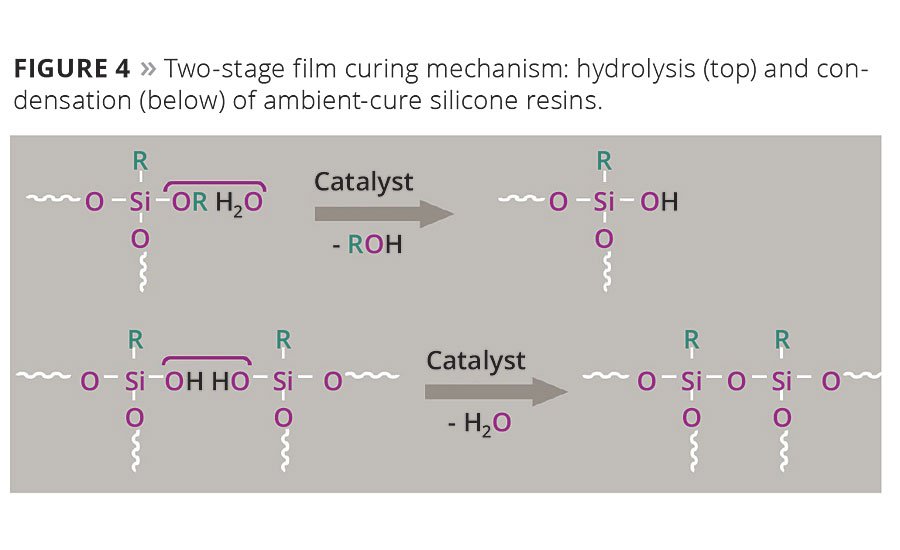
Image source: Bing (Web (fair-use with source credit))
How Platinum-Cured (Addition-Cure) Silicone Is Made
Platinum cure uses a platinum complex, usually Karstedt's catalyst, to join a vinyl-terminated silicone with a hydride crosslinker. The two components bond directly. Nothing is expelled.
That's the whole appeal. An addition reaction adds, it doesn't leave leftovers. The finished rubber contains the polymer, the filler, and trace catalyst.
No orphan chemicals waiting to migrate out.
This is the same cure system used for medical tubing, infant feeding products, and anything tested to USP Class VI or ISO 10993 biocompatibility standards. Manufacturers don't choose it for baking mats out of vanity. They choose it because addition-cure silicone is what you use when residue is unacceptable.
How Regular Peroxide-Cured Silicone Is Made
Peroxide cure uses organic peroxides, commonly dicumyl peroxide, to rip hydrogen atoms off the polymer chains so they bond to each other. It works. It's cheaper, faster, and it's been the industry workhorse for decades.
The catch is what's left over. The peroxide breaks down into byproducts including acetophenone, dicumyl alcohol, and various acidic residues. Those sit inside the cured rubber until they're driven out.
That's what post-curing is for. The manufacturer bakes the finished part at roughly 200°C for two to four hours to volatilise the residues. Done properly, the result is genuinely clean and fully compliant.
Why Cure Byproducts Are the Whole Ballgame
Skip or shorten the post-cure and you get a mat that smells like a chemistry set on its first three bakes.
That's the mechanism behind nearly every complaint about cheap silicone bakeware. The material isn't inherently dangerous. It's under-processed.
A factory shaving two hours off the post-cure oven cycle saves real money across a production run, and the customer pays for it in odour.
The US Food and Drug Administration regulates these materials under 21 CFR 177.2600, which sets extraction limits for rubber articles used repeatedly in food contact. Compliance is about what leaches out, not which catalyst was used. A properly post-cured peroxide mat and a platinum mat can both pass.
The difference is margin for error. Platinum cure has almost nothing to remove in the first place. Peroxide cure depends entirely on the factory finishing the job.
Platinum Silicone Baking Mats: Where They Earn Their Price
Platinum mats are the upgrade you notice on the extremes, not in the middle of the range.
What you actually get:
- Higher usable heat. Manufacturer specifications typically list 450°F to 500°F (232°C to 260°C), against 428°F to 450°F for standard mats.
- Almost no first-use odour. Aggregate reviews consistently report platinum mats needing little or no bake-out before they're usable.
- Better tear strength. They survive being yanked off pans, rolled, and stuffed into drawers.
- Slower yellowing. Colour and clarity hold up across hundreds of cycles.
- Longer service life. Verified buyer feedback commonly reports three to five years of regular use before release performance drops.
There's a quiet secondary benefit. Manufacturers who bother with platinum cure tend to be more careful across the board: better fillers, tighter thickness tolerances, real test documentation. The cure system correlates with overall build quality.
Where platinum doesn't help: it won't make cookies brown better, it won't survive a broiler, and it won't stop the sticky oil film that builds on every silicone surface. Those are physics and chemistry problems no catalyst solves.
Regular Silicone Baking Mats: What You Genuinely Give Up (And What You Don't)
A properly made peroxide-cured mat is not a compromised product. It's the standard, and it's been the standard for a long time.
What you keep:
- Full FDA food-contact compliance when manufactured correctly
- Reliable nonstick release without oil or spray
- The same freezer and dishwasher tolerance
- Identical performance at typical baking temperatures of 325°F to 400°F
What you give up:
- Roughly 25°F to 50°F of headroom at the top end
- A quiet first few bakes, since some off-gassing is normal
- Longevity, with typical replacement at one to two years of regular use
- Consistency across brands, because post-cure discipline varies wildly
That last one is the real risk. A regular mat from a reputable manufacturer with documented LFGB testing is excellent. A regular mat from an unbranded marketplace listing with no test data behind it is a gamble.
A simple filter for regular mats: if the seller can't tell you which standard the mat was tested to, treat the price as the only thing you actually know about it.
Price wise, expect roughly $8 to $16 for a half-sheet regular mat against $18 to $40 for platinum. For occasional bakers, buying two good regular mats often beats one platinum mat. Two pans in the oven at once is worth more than a slightly better single mat.
Side-by-Side: Platinum vs Regular Silicone Mats Compared
| Factor | Regular (Peroxide-Cured) | Platinum-Cured |
|---|---|---|
| Half-sheet price | $8 to $16 | $18 to $40 |
| Max temperature | 428°F to 450°F | 450°F to 500°F |
| Minimum temperature | around -40°F | around -40°F |
| Cure byproducts | Present, removed by post-cure | Essentially none |
| First-use odour | Noticeable, fades over 2 to 4 bakes | Minimal to none |
| Typical lifespan | 1 to 2 years regular use | 3 to 5+ years |
| Tear strength | Lower | Higher |
| Yellowing | Faster | Slower |
Temperature Ratings and High-Heat Behaviour
The rating printed on the mat is a ceiling, not a target. Both types soften, warp, and eventually degrade if you sit them at their maximum repeatedly.
Standard mats rate 428°F to 450°F. Platinum mats commonly reach 480°F to 500°F. For most home baking that gap is theoretical, because cookies bake at 350°F and roasted vegetables rarely exceed 425°F.
It stops being theoretical with bread. Sourdough often loads at 475°F to 500°F. That's outside a standard mat's rated range and squarely inside platinum territory.
Odour, Off-Gassing, and Taste Transfer
First-use smell is the single most reported complaint about silicone bakeware, and it's almost always residual volatiles from incomplete post-curing.
Platinum mats have very little to release. Regular mats typically clear after two to four bake cycles. A mat still smelling after five or six bakes was badly finished and should go back.
Taste transfer matters most in delicate bakes. Meringue, shortbread, and macarons pick up off-flavours that a chocolate chip cookie completely masks.
Lifespan, Tear Strength, and Warping
Failure shows up as release loss first, warping second, delamination last.
Regular mats commonly start losing release around the twelve to eighteen month mark under heavy use. Platinum mats hold on considerably longer because their crosslink network is more uniform and their tear strength is higher.
Edge curling comes from thermal cycling. Thin mats under 0.8 mm curl fastest, regardless of cure type.
Price and Real Cost Per Bake
Both types beat parchment on economics, and it doesn't take long.
A $12 regular mat replaces roughly 20 to 30 sheets of parchment before it's paid for itself. A $30 platinum mat crosses that line around bake 60 to 75, then keeps going for years.
The maths only favours platinum if you bake often enough to reach the long tail. Bake twelve times a year and you'll replace the mat for looking tired long before you've extracted the value.
How to Tell If a Mat Is Really Platinum-Cured Before You Buy
You can't confirm cure chemistry at home. What you can do is judge how much the seller is willing to prove.
Why the Twist-and-Pinch "White Test" Is Unreliable
Twisting silicone until it turns white is often sold as a purity test. It isn't one.
Stress whitening happens when mineral fillers separate from the polymer under strain. Heavy filler loading does cause it. But thin mats whiten from stress alone, and some platinum mats with high fumed silica content will lighten slightly too.
Treat it as one weak signal, not a verdict.
Reading LFGB, BfR XV, and FDA 21 CFR 177.2600 Claims
LFGB testing is the strongest signal available to a shopper. German LFGB rules reference BfR Recommendation XV, which caps volatile content tighter than the US baseline.
FDA compliance is the floor, not a distinction. And there's no such thing as an "FDA approved" baking mat, since the agency doesn't approve individual products. Any listing using that phrase is guessing at the language.
Ask for the test report number or the lab name. Reputable manufacturers hand it over. Everyone else changes the subject.
Red Flags in Marketplace Listings
- "Platinum" in the title but no cure system named in the spec table
- Identical product photos across a dozen different brand names
- Temperature claims of 600°F or higher, which no baking silicone meets
- No stated thickness in millimetres
- Certification logos as images, with no certificate number
The Fiberglass Core Question: Silpat-Style vs Pure Silicone Mats
Cure chemistry isn't the only structural decision. Many mats, including the original Silpat design from Sasa Demarle, sandwich a woven fiberglass mesh between silicone layers.
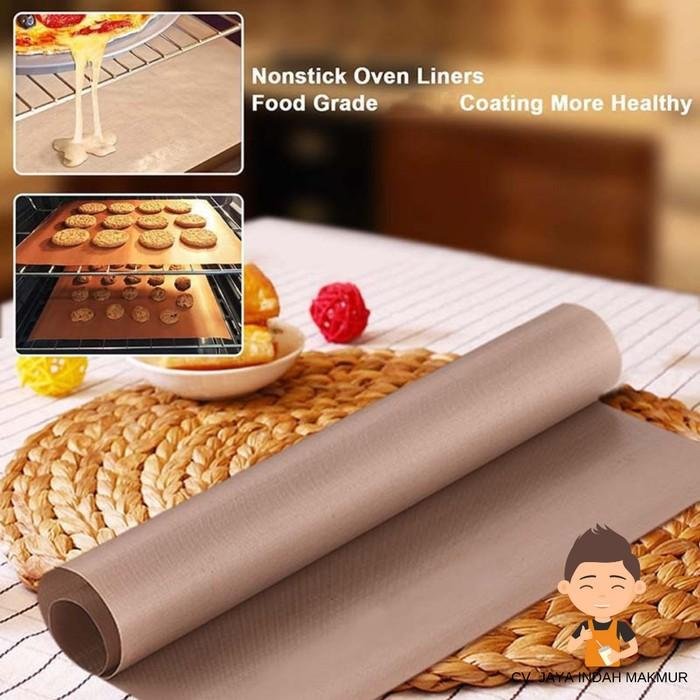
Image source: Bing (Web (fair-use with source credit))
Hold one up to the light and you'll see the grid. That mesh is what keeps the mat flat instead of stretching and rippling in the oven.
| Feature | Fiberglass-cored | Pure silicone |
|---|---|---|
| Flatness under heat | Excellent | Curls more easily |
| Flexibility | Stiffer, rolls only | Fully foldable |
| Can be trimmed | No | Yes, if solid silicone |
| Failure risk | Exposed glass fibers | Tearing, stretching |
The trade-off is repairability. Once a fiberglass-cored mat wears through or frays at the edge, it's finished. Never cut one to fit a smaller pan, because you'll expose the glass core directly to food.
Which One You Should Buy, Based on How You Actually Bake
Occasional Cookie and Sheet-Pan Baker
Buy two well-documented regular mats instead of one platinum. You're baking at 350°F to 400°F, nowhere near the material's limit, and two pans in rotation is worth more than marginal durability.
Sourdough, Macarons, and Laminated Dough
Go platinum. Bread loading at 475°F to 500°F sits outside a standard mat's rated range. Macarons and other delicate bakes also expose any lingering odour a cheap mat still carries.
Sugar Work, Isomalt, and Candy Making
Platinum, without hesitation. Pulled sugar and isomalt involve sustained contact with material well above 300°F, plus repeated peeling stress. This is the one application where the upgrade is genuinely functional.
Commercial Kitchens and Cottage Food Businesses
Platinum pays for itself on cycle count alone. A mat used four times daily hits 1,000 bakes inside a year. Look for NSF certification alongside LFGB documentation, since health inspectors flag worn or delaminating mats.
Households Avoiding PFAS and Chemical Additives
Platinum-cured, and skip PTFE-coated fiberglass sheets entirely. Neither silicone type contains PFAS, but platinum cure leaves nothing behind to migrate. That's the cleanest option available in reusable pan liners.
Safety Rules Both Types Share (Broilers, Trimming, and Exposed Fibers)
No cure system makes silicone broiler-safe. Direct radiant heat from an element scorches and destroys the surface, and it's the most common cause of sudden mat failure.
Non-negotiables for either type:
- Never use under a broiler, over a flame, or on a grill
- Always place on a rimmed sheet pan, never directly on an oven rack
- Keep an inch of clearance from oven walls and elements
- Never cut, trim, or reshape a fiberglass-cored mat
- Retire immediately if glass fibers are visible or the layers separate
- Not a trivet, cutting board, or pot holder
One material note worth knowing: cyclic siloxanes D4, D5, and D6 are byproducts of siloxane manufacturing, and D4 is listed as a Substance of Very High Concern under EU REACH. Properly post-cured silicone contains only trace amounts. Under-processed silicone is the reason the caps exist, which is exactly why documented testing matters more than the word on the box.
Mistakes That Ruin a Good Mat Faster Than Heat Does
Most mats don't die of old age. They get killed.
Cooking spray is the worst offender. Aerosol propellants and lecithin polymerise onto silicone into a tacky varnish that no wash removes easily. You don't need spray on a nonstick mat, so don't use it.
Cutting on the mat comes second. A pizza wheel, bench scraper, or paring knife slices the silicone layer. On a fiberglass mat, that's an instant retirement.
Other habits that shorten mat life:
- Scrubbing with steel wool or abrasive pads
- Folding for storage instead of rolling or laying flat
- Pulling hot items off before the mat cools on the pan
- Stacking mats with baked-on residue still between them
- Running them through a dishwasher on a heated dry cycle
And one expectation to adjust: mats insulate slightly, so bottoms brown more gently than on bare dark steel. If you want crisp cookie bottoms, add two minutes or drop the mat for that bake. That's not a defect, it's how the material behaves.
Fixing the Sticky Film, the Smell, and the Yellowing
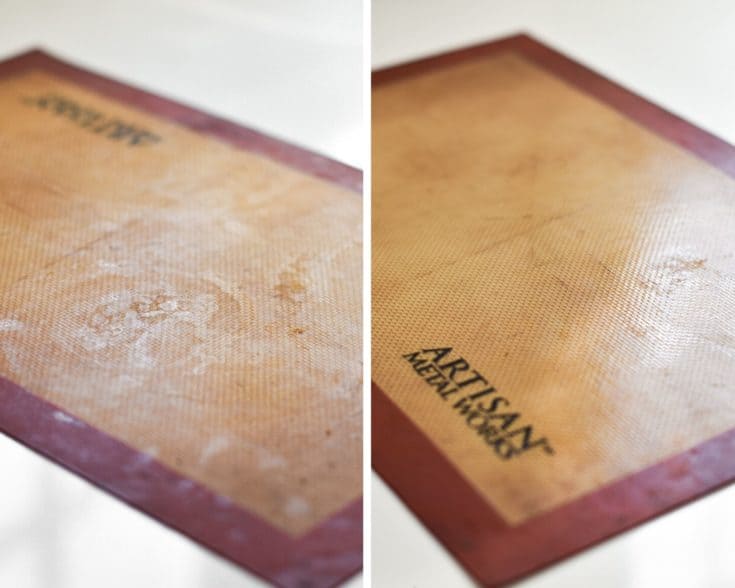
Image source: Bing (Web (fair-use with source credit))
The First-Use Bake-Out
Wash in hot soapy water, then bake the empty mat at 350°F for 20 minutes. That drives off residual volatiles and cuts first-use odour sharply.
Baking Soda Paste for Polymerized Oil
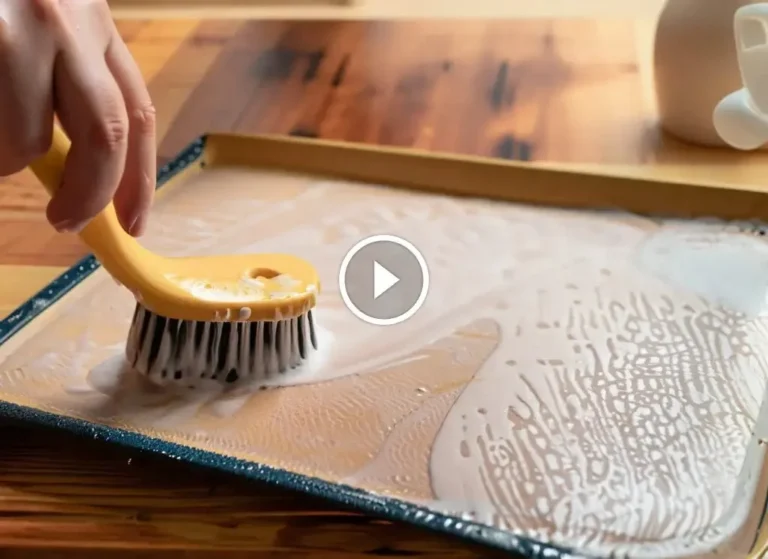
Sticky film is baked-on oil, not material failure. Scrub with a thick baking soda paste, then soak in hot water with a splash of white vinegar.
Storage That Prevents Curling
Dry fully, then roll loosely or store flat between sheet pans. Folding creates permanent creases.
Silicone Mats vs Parchment Paper vs PTFE Sheets
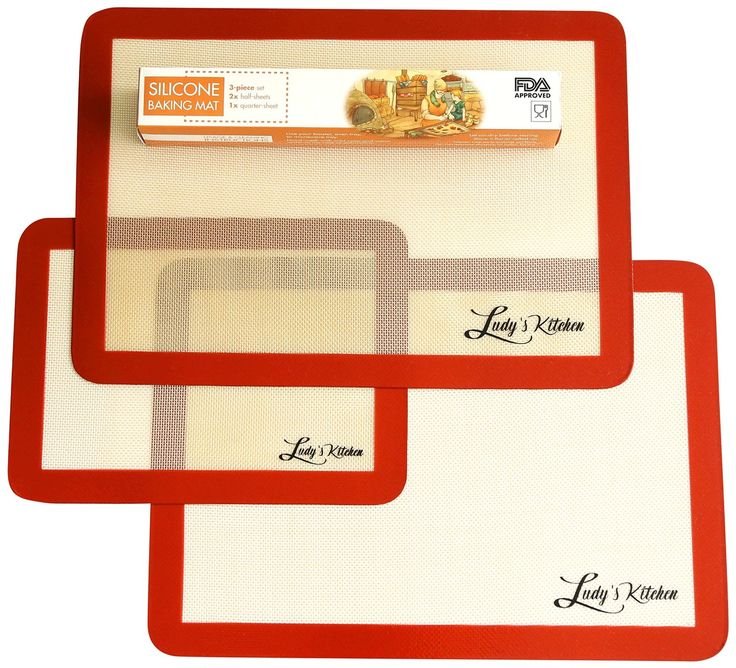
Image source: Bing (Web (fair-use with source credit))
Parchment browns bottoms better and handles higher heat. Silicone wins on cost per use and release. PTFE-coated fiberglass sheets perform well but bring fluoropolymer chemistry many buyers now avoid.
When It's Time to Replace a Baking Mat
- Release failure that survives a deep clean
- Any visible fiberglass
- Cracking, hardening, or permanent warping
- Odour transferring into food
Frequently Asked Questions
Can you cut a silicone baking mat to fit?
Only if it's solid silicone with no fiberglass core. Cutting a cored mat exposes glass fibers to food and ends its usable life immediately.
Do silicone baking mats leach chemicals?
Properly post-cured mats meeting FDA 21 CFR 177.2600 show negligible migration. Under-processed cheap mats are the real concern, which is why documented LFGB testing matters.
Why does my mat smell after several bakes?
Persistent odour past five or six bakes points to incomplete factory post-curing. Return it.
Is platinum silicone the same as food-grade?
No. Food-grade describes compliance. Platinum describes the curing catalyst.
The Verdict: Where the Upgrade Pays Off and Where It's Wasted Money
Bake occasionally at moderate heat? A documented regular mat is plenty. Bake daily, work with sugar, or push past 450°F?
Platinum earns every extra pound.