Apple Corer Rusts After Washing? Here’s Why & How to Stop It
Apple Corer Rusting After Washing is a frustrating, avoidable issue for home cooks and canners. It pops up almost as soon as you pull the tool from the dishwasher. It’s not just a cosmetic nuisance: flaking rust can transfer to food, and deep pitting shortens the corer’s lifespan by years.
Even high-end corers can develop rust if washed and stored incorrectly.
Per ASTM International standards, a Pitting Resistance Equivalent Number (PREN) of 32 is the baseline for rust-resistant kitchen-grade metal. Many budget corers fall below that threshold as of 2026. A quick material check and post-wash drying routine eliminate most rust.
The right decision tree tells you exactly when to fix, restore, or toss a corroded tool.
Quick Answer
Apple Corer Rusting After Washing happens when water sits on the metal surface too long. High heat from dishwashers and mineral-rich hard water make it worse. 18/0 stainless steel corers rust far faster than 18/8 (304) models. Light surface rust can be removed and prevented with proper care.
Deep pitted or flaking rust means the corer is unsafe to use for food.
Why Your Apple Corer Rusts Immediately After Washing (It’s Not Just “Low Quality”)
How rust forms on post-wash apple corers (material, water type, and washing method factors)
Rust forms when iron in the corer’s metal reacts with oxygen and water. 18/0 stainless steel has no nickel, so its PREN score is often between 18 and 22, well below the 32 threshold for rust-resistant kitchen metal. You'll notice 18/0 corers develop rust after just a few washes, even if you dry them thoroughly. Dishwasher high heat over 150°F (65°C) accelerates that reaction.
Hard water leaves mineral residue that traps moisture against the metal, even after the wash cycle ends. Residual apple juice and acidity left on the corer from use also speed up corrosion. As of 2026, many discount retailers stock 18/0 corers labeled only as "stainless steel," which is a common trap for buyers who assume all stainless steel is rust-proof.
If you wash your apple corer alongside other metal utensils, galvanic corrosion can also occur when two different metals touch in the presence of water. This is why it’s best to wash your corer separately or keep it away from steel or iron utensils in the dishwasher.
First: Pinpoint Your Corer’s Material and Rust Severity
How to identify your corer’s metal type (18/8 vs 18/0 stainless steel, carbon steel, coated aluminum)
18/8 (304) stainless steel has an 8% nickel content, so it’s non-magnetic and highly rust-resistant. 18/0 stainless steel has no nickel, is often magnetic, and rusts easily when exposed to water. Carbon steel is soft, rusts very quickly, and is rarely used for modern apple corers. Coated aluminum has a non-stick or anodized finish that chips easily, exposing the soft metal underneath to corrosion.
Some manufacturers coat 18/0 stainless steel with a rust-resistant finish, but this coating wears off over time, leaving the underlying metal exposed to corrosion. If your corer is labeled "coated stainless steel," check for chips in the finish regularly. You can test for 18/8 vs 18/0 with a simple magnet test. 18/8 stainless steel is non-magnetic, while 18/0 is often magnetic due to its higher iron content.
How to classify rust severity (light surface discoloration vs. pitting vs. flaking)
Light surface rust is faint orange discoloration that wipes off with a gentle scratch. Moderate rust is darker, spotty, and may need scrubbing to remove. Severe rust is pitted, flaky, or has deep craters in the metal.
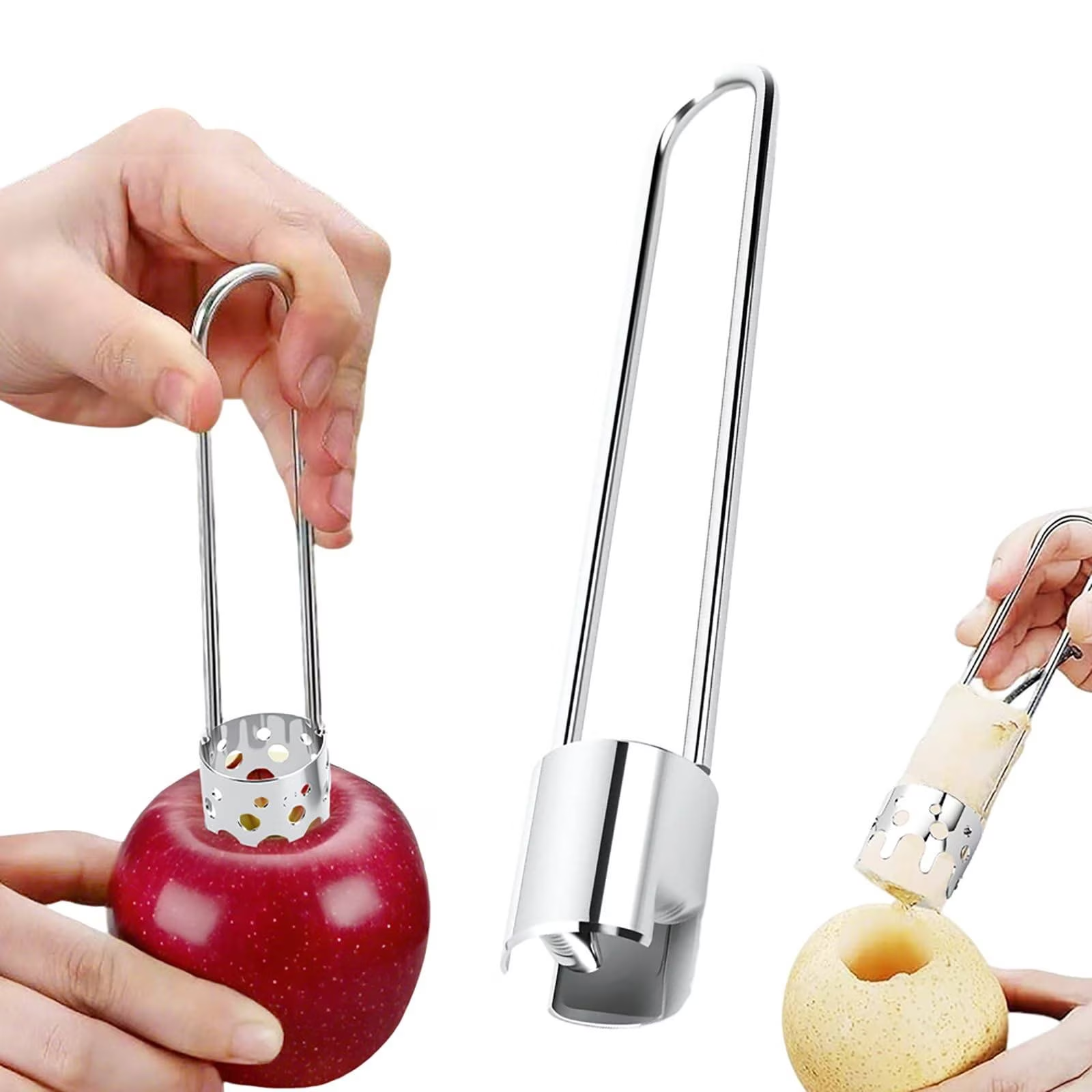
Many push-through corers have hollow handles that trap water, so hidden rust can form inside even if the outside looks clean. Shake the corer vigorously after washing to check for water in the handle. Per USDA food safety guidance, kitchen tools with deep pitting can harbor bacteria even after thorough cleaning, so they should be discarded immediately.
Per FDA food contact material guidance, kitchen tools with corroded surfaces that can transfer metal particles to food are not considered safe for use.
Decision Tree: Fix, Restore, or Toss Your Rusted Apple Corer
This decision tree uses if/then logic to match your corer’s specifics to the right action. First, assess your corer’s material and rust severity before taking any action.
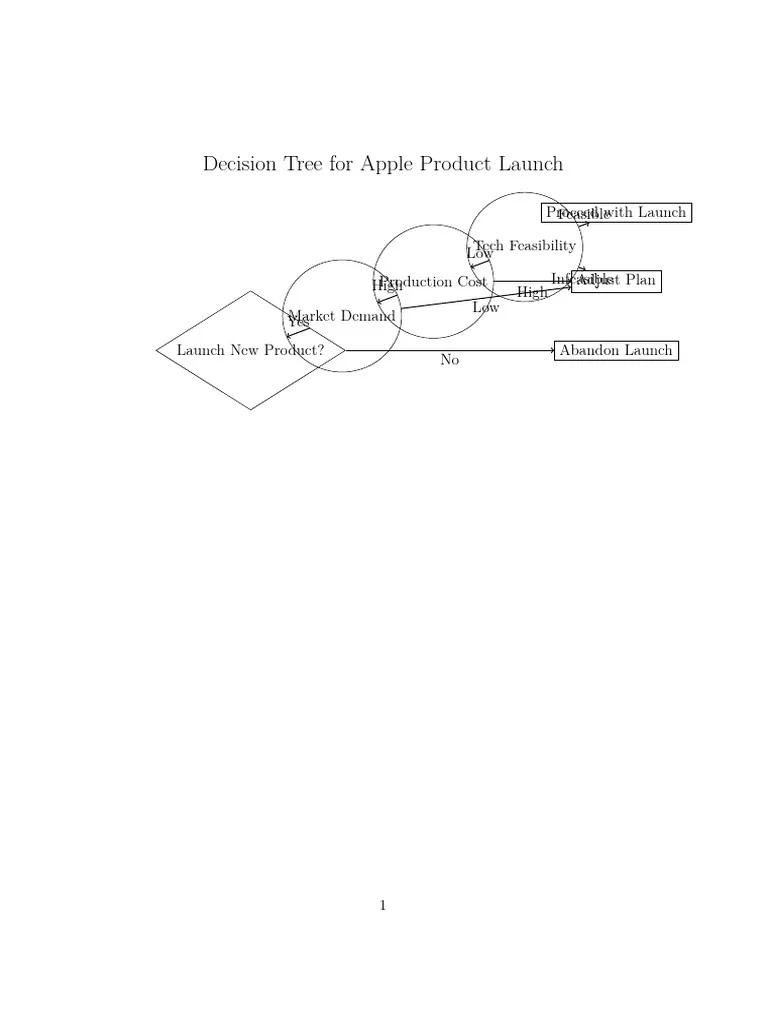
If the rust is light surface discoloration and your corer is 18/8 (304) stainless steel: restore it with a vinegar soak and baking soda scrub, then implement prevention steps. You can keep using it safely. If the rust is pitted, flaking, or has deep craters on any metal type: toss it immediately.
Flaking rust can transfer to food, and deep pitting creates bacteria-harboring crevices that cleaning can’t reach. If the rust is on 18/0 stainless steel or uncoated carbon steel: even light rust will come back quickly. Evaluate if the corer is worth replacing, as these materials are not cost-effective to restore for long-term use.
If you own a vintage carbon steel apple corer, light rust can be removed, but you’ll need to season it regularly like cast iron cookware to prevent future rust. This involves coating the metal with a thin layer of cooking oil and heating it to create a protective barrier. If the rust is on coated aluminum or non-stick corers: check if the coating is chipped first.
If the coating is intact, light rust can be removed gently without scratching the finish. If the coating is chipped, discard the corer, as exposed aluminum corrodes rapidly and can leach into food. If you’re unsure about your corer’s material, check the manufacturer’s website or product packaging for the steel grade.
Most reputable brands list whether their corers are 18/8 or 18/0 stainless steel.
Step-by-Step Rust Removal and Long-Term Prevention Workflow
Immediate post-wash steps to stop new rust from forming
As soon as you finish washing your corer, dry it thoroughly with a clean towel. Pay special attention to the hollow handle and any seams where water collects. If you use a dishwasher, place the corer on the top rack away from the heating element to avoid high heat exposure.
Never leave the corer sitting in a dish rack to air dry, as trapped moisture will cause rust within hours. Rinse and dry your corer immediately after use, even if you’re waiting to wash it with the rest of the dishes.
Step-by-step light rust removal for 18/8 stainless steel corers
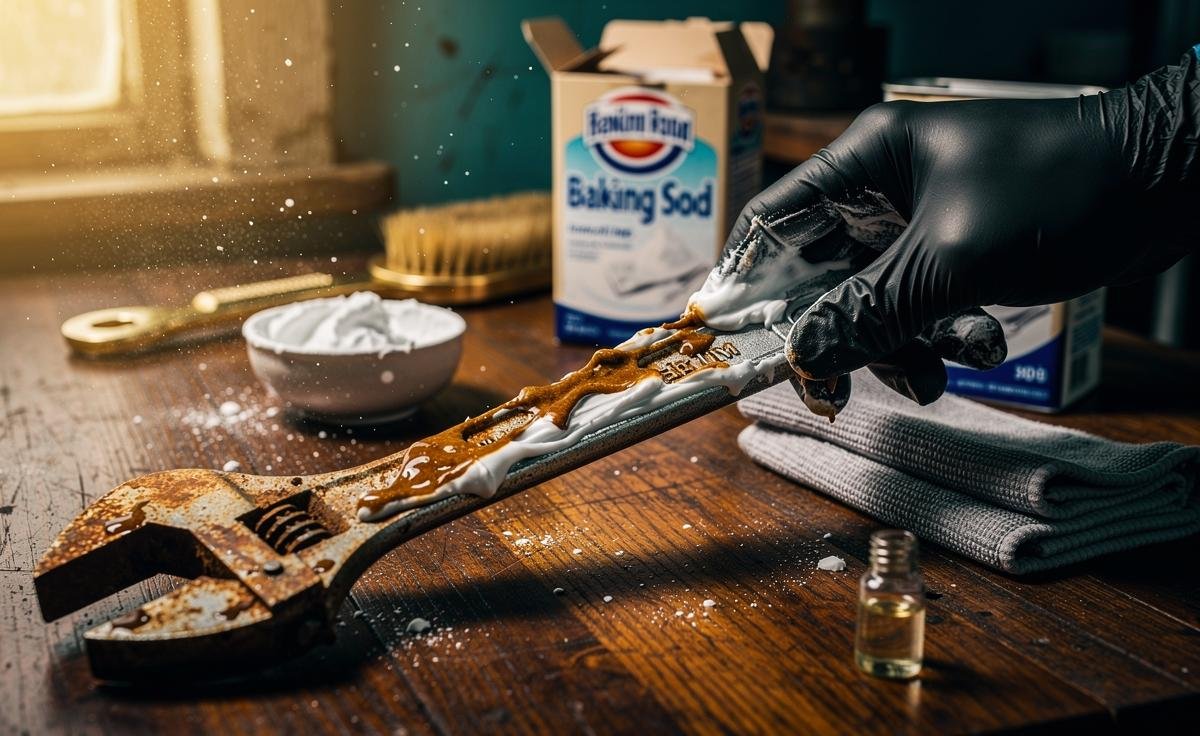
Mix 1 part white vinegar with 1 part warm water. Submerge the corer for 15 to 30 minutes to loosen surface rust. Scrub lightly with a baking soda paste, made from 3 parts baking soda and 1 part water, using a non-abrasive sponge.
Don’t scrub aggressively, as this can scratch the stainless steel surface and create tiny grooves where rust can form again later. Rinse thoroughly with clean water and dry completely with a towel. For rust that won’t scrub off after soaking, the corer likely has deep pitting and should be discarded.
Long-term prevention steps for all corer types
Dry your corer immediately after every wash, no exceptions. Store it in a dry, ventilated area, not in a closed drawer with other damp utensils. If you live in a hard water region, wipe the corer with a towel dampened with white vinegar after washing to remove mineral residue that traps moisture.
Avoid abrasive scrubbers that damage corrosion-resistant coatings on coated or stainless steel corers. For hollow-handle corers, shake out excess water after washing and dab the handle opening dry with a small towel. A quick reference for post-wash care is below:
| Step | Action | Time Required |
|---|---|---|
| 1 | Towel dry corer immediately after washing | 30 seconds |
| 2 | Shake hollow handle to drain trapped water | 10 seconds |
| 3 | Wipe with vinegar-dampened towel (hard water regions) | 15 seconds |
| 4 | Store in ventilated area, not closed drawer | N/A |
Common Mistakes That Accelerate Apple Corer Rust (and How to Avoid Them)
The most common mistake is leaving the corer to air dry after washing. Water sits on the metal surface for hours, accelerating rust formation. Always towel dry immediately.
Another frequent error is using the dishwasher’s bottom rack. The heating element exposes corers to temperatures over 150°F (65°C), which breaks down protective coatings and speeds up corrosion. Always use the top rack.
Storing the corer in a damp closed drawer traps humidity, so even a dry corer can develop rust over time. Store it in a ventilated area, or leave the drawer slightly ajar if you live in a humid coastal climate. Scrubbing coated corers with abrasive pads scratches non-stick and anodized finishes, exposing the underlying metal to water and corrosion.
Use a soft sponge or non-abrasive scrubber instead. Ignoring rust in the hollow handle is another common oversight. Many push-through corers trap water inside the handle even if the outside looks dry.
Shake the corer vigorously after washing to drain trapped water, and dry the handle opening with a small towel if needed. Using steel wool or harsh chemical rust removers damages the corer’s finish and leaves toxic residues that transfer to food. Stick to white vinegar and baking soda for food-safe rust removal.
Never use rust removers labeled for industrial use on kitchen tools.
Food Safety Compliance for Rusted Kitchen Tools (Don’t Cut Corners)
Per USDA food safety guidance, kitchen tools with deep pitting harbor bacteria even after thorough cleaning. Flaking rust can transfer directly to cut apple flesh, introducing iron particles into food. The FDA classifies corroded food-contact surfaces as unsafe for use, as they can leach metals into acidic foods like apples.
If your corer has deep craters or flaking rust, discard it immediately. Do not attempt to restore severely pitted corers for food use.
How to Pick an Apple Corer That Won’t Rust After Washing
The single most important spec to check is the Pitting Resistance Equivalent Number (PREN) of the corer’s metal. A PREN of 32 or higher resists rust from hard water and dishwasher heat. 18/8 (304) stainless steel has a PREN of 28 to 32, which is sufficient for most home use. 18/0 stainless steel has a PREN below 22, so it rusts easily even with careful care.
| Material | PREN Range | Rust Resistance | Best For |
|---|---|---|---|
| 18/8 (304) stainless steel | 28–32 | High | Daily home use, dishwasher-safe care |
| 18/0 stainless steel | 18–22 | Low | Hand-wash only, dry climates |
| Carbon steel | <18 | Very low | Vintage collectors, seasoned use |
| Hard-anodized aluminum | N/A | Moderate (if coating intact) | Light use, hand wash only |
Look for a dishwasher-safe certification from a recognized body like NSF International. This confirms the corer’s finish can withstand high heat and detergent without corroding. Avoid unbranded corers labeled only as "stainless steel" with no grade listed, as these are almost always 18/0.
As of 2026, most mid-tier cookware brands list 18/8 as a standard feature for apple corers priced above $15.
Real-World Scenarios: Quick Fixes for Common User Situations
If you just pulled your 18/8 corer from the dishwasher and spotted faint orange surface rust: soak it in a 1:1 white vinegar and water mix for 15 minutes, scrub with baking soda paste, and dry it fully. It will be like new with no lasting damage.
If you live in a hard water region like the U.S. Midwest or U.K.: wipe your corer with a vinegar-dampened towel after every wash to dissolve mineral residue that traps moisture. This stops rust before it starts, even with frequent dishwasher use.
If you own a vintage carbon steel apple corer with light rust: remove the rust with steel wool (only for carbon steel, not stainless), then coat the entire surface with a thin layer of cooking oil. Wipe off excess, and store it in a dry place. You’ll need to repeat this seasoning process every 2 to 3 months to prevent future rust.
If you use your apple corer in an RV or camper with limited drying space: towel dry it immediately after washing, then store it in a small ventilated mesh pouch instead of a closed drawer. This keeps air circulating around the metal to prevent trapped moisture from causing rust.
Frequently Asked Questions
Can I still use an apple corer with light surface rust?
Yes, if the rust is only surface discoloration on 18/8 stainless steel. Remove the rust with a vinegar soak and baking soda scrub, then dry the corer fully. Do not use corers with pitted or flaking rust, as these can harbor bacteria and transfer metal particles to food.
How do I prevent apple corer rust after washing?
Towel dry the corer immediately after every wash, paying attention to hollow handles and seams where water collects. Use the top rack of the dishwasher to avoid high heat. Store the corer in a dry, ventilated area instead of a closed damp drawer.
Does white vinegar damage stainless steel apple corers?
No, white vinegar is safe for 18/8 (304) stainless steel when used for short soaks of 30 minutes or less. Do not leave the corer submerged in vinegar for hours, as prolonged acid exposure can etch the metal surface over time.
How often should I replace my apple corer?
A well-cared-for 18/8 stainless steel apple corer lasts 5 to 10 years. Replace it immediately if it develops deep pitting, flaking rust, or chipped coating on coated aluminum models. 18/0 stainless steel corers typically last 1 to 2 years even with proper care.
Will phosphate-free dishwasher detergent cause rust?
Phosphate-free detergents are less effective at rinsing mineral residue from metal surfaces, which can accelerate rust on 18/0 stainless steel and coated aluminum corers. If you use phosphate-free detergent, rinse your corer with clean water after the wash cycle to remove leftover residue.