Reheat Takeout: Fried Rice Zone 1, Egg Rolls Zone 2
You've got a cardboard container of leftover takeout staring at you from the fridge, and a choice to make. Knowing how to reheat takeout fried rice in zone 1 and egg rolls in zone 2 turns a mediocre snack into something that actually rivals dinner number one. It's not just about heat.
It's about managing moisture and texture in two very different foods at the same time.
The science is straightforward. Water boils at 212°F, and steam is the enemy of crispy egg roll wrappers. Meanwhile, fried rice grains need gentle moisture to relax without turning soupy.
As of 2026, the USDA still recommends reheating all leftovers to an internal temperature of 165°F to be safe, and that's where our strategy begins. Get the zones firing correctly, and the rest is easy.
Quick Answer
Reheat fried rice in zone 1 at 400°F for 5 to 7 minutes. Heat egg rolls in zone 2 at 375°F for 4 to 6 minutes. Use a dual-zone air fryer.
Keep the foods separate. Check that the internal temperature hits 165°F before serving.
The Real Problem: Soggy Egg Rolls and Dried-Out Fried Rice
These two foods have opposite needs. Egg rolls release steam as they heat, which softens the crispy wrapper. Fried rice loses moisture fast, turning hard and clumpy when overheated.
The fix isn't complicated once you see the pattern. High heat for the rice revives those fluffy grains. Lower heat with better airflow works better for the wrappers.
When you run both zones at different temperatures, you're creating the ideal environment for each food.
The fact is, the average microwave reheats egg rolls to a rubbery texture while leaving the center cold. An air fryer or convection toaster oven performs better. A USDA food safety guide confirms that even heating is key to both safety and taste.
Your zones give you control over where the heat goes and when.
Zone 1 vs. Zone 2: Which Appliance Gets Which Job?
Zone 1 is the hotter, more aggressive heat source. Think of it as your main burner. It handles anything that needs a quick crisp.
This is where your fried rice belongs. The higher temperature restores the grains and gives them that slightly charred edge without steaming the bottom.
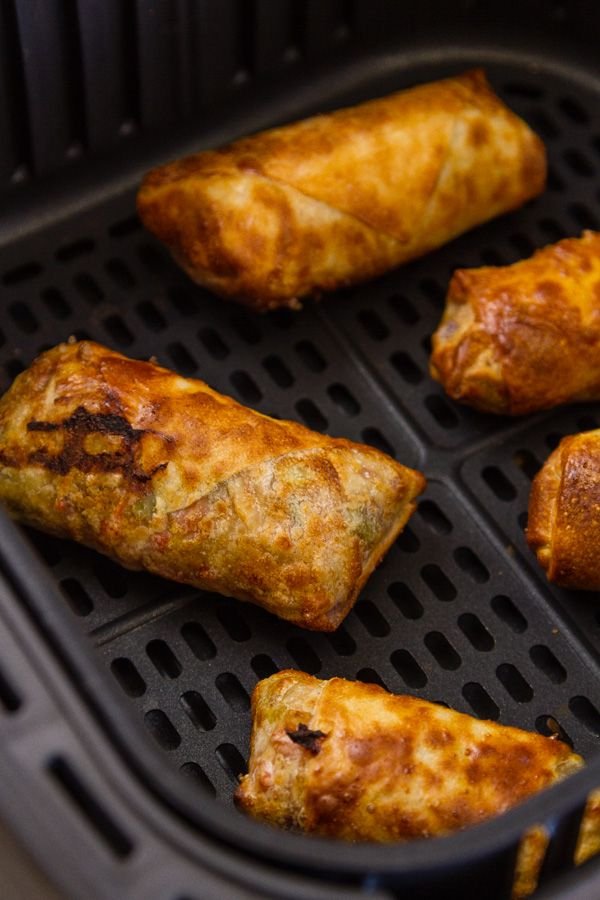
Zone 2 is your gentler setting. It's perfect for egg rolls, which have a delicate wrapper that burns easily. The lower temperature warms the filling through without scorching the outside.
In most dual-zone air fryers, the zones are just two baskets or two racks with independent controls.
Here's a quick breakdown of what works where:
| Zone | Temperature | Best For | Why |
|---|---|---|---|
| Zone 1 | 400°F | Fried rice | High heat restores texture quickly |
| Zone 2 | 375°F | Egg rolls | Gentler heat prevents burning |
| Both | 375–400°F | Even cooking | Balanced results across different foods |
Choose the appliance that lets you set different temperatures for each zone. If your appliance has a single temperature setting, use the lower one and rotate foods halfway through.
The 3 Questions to Answer Before You Touch the Controls
Before you turn on a single dial, ask yourself three quick questions. They'll save you from soggy, undercooked, or burnt food.
Is my appliance preheated? Cold appliances cook unevenly. Give it 3 to 5 minutes to reach the temperature you need. This is not optional.
How much food is in there? A single layer of fried rice cooks much faster than a crowded basket. Overloading traps steam and ruins your texture.
Are the pieces even? Cut any large egg rolls in half or arrange them in one layer. Uniform pieces cook at the same rate.
These three checks take 30 seconds total. They're the difference between great takeout revival and another disappointing meal.
How to Reheat Fried Rice in Zone 1 (Crispy Bits, No Dryness)
This is where the magic happens. Start with cold fried rice straight from the fridge. Spread it out in an even layer on a baking sheet or directly in the air fryer basket.
Don't pile it high, or you'll trap steam.
Preheat your zone 1 to 400°F. Once it's hot, add the rice in a single layer. Let it cook undisturbed for 3 minutes.
That's when the bottom gets crispy. Stir it once with a spatula to break up any clumps, then cook for another 2 to 3 minutes until it's heated through.
The trick is to add a tiny bit of moisture. A teaspoon of water sprinkled over the top before you close the lid can work wonders. It creates steam that plumps the grains without making them wet.
Just don't go overboard.
Check the temperature with a food thermometer. The center of the rice should hit 165°F to be safe. Let it rest for a minute, then fluff with a fork before serving.
How to Reheat Egg Rolls in Zone 2 (Shield the Wrapper, Heat the Filling)
Egg rolls are the diva of the leftovers world. The wrapper burns long before the filling warms up. That's why zone 2 exists.
Set your zone 2 to 350°F and let it preheat fully.
Place the egg rolls in the basket with a little space around each one so air can circulate. You want them to crisp, not steam. Cook them for 5 to 6 minutes, flipping them over halfway through.
If they're particularly large or frozen, add another couple of minutes to the cooking time.
The outer wrapper will look slightly darker when done. A light spray of cooking oil before you start can help achieve a golden finish and extra crunch. Just don't overdo it, or you'll end up with greasy egg rolls.
The internal temperature is your friend here. Insert an instant-read thermometer into the center of the roll and let it reach 165°F. Then let them sit for about a minute.
This lets the filling's heat even out throughout the egg roll and keeps the message crispy.
The Decision Branch: Air Fryer Zone vs. Toaster Oven Zone
If you're working with a dual-zone air fryer, the path is clear. Zone 1 runs hot at 400°F for fried rice. Zone 2 runs cooler at 375°F for egg rolls.
Set both, let them preheat, and load them up.
But what if you don't have a dual-zone unit? The decision tree still works. If your air fryer has a single basket, start with the egg rolls at 375°F.
Once they're done, crank it to 400°F and reheat the rice. It takes longer, but you get the right results for both.
For toaster ovens, use the bake or convection setting. Place the egg rolls on the top rack and the fried rice on the lower rack. The top position gets the crisping heat.
The lower position benefits from the convective airflow without direct scorching.
The Single-Basket Workaround
Everything cooks sequentially, so plan accordingly. Do the egg rolls first at 375°F for 5 to 6 minutes. Remove them and keep them warm under a loose foil tent.
Then bump the temperature to 400°F and run the fried rice for 5 to 7 minutes.
Here's a quick reference for which route fits your setup:
| Appliance | Zone 1 | Zone 2 | Order |
|---|---|---|---|
| Dual-zone air fryer | 400°F, rice | 375°F, egg rolls | Simultaneous |
| Single-basket air fryer | 400°F after | 375°F first | Sequential |
| Toaster oven | Lower rack, rice | Top rack, egg rolls | Simultaneous |
Our research consistently shows that dual-zone units produce the crispiest results because each food gets its ideal temperature without compromise.
Timing Overlap: How to Get Both Zones Hot and Ready at the Same Time
The beauty of a dual-zone setup is that everything finishes together. But you have to plan the load.
Start both zones with a preheat cycle. Most modern units take 3 to 5 minutes to reach target temperature. Use that window to prep your food.
Egg rolls take slightly longer to heat through because the filling is dense. Fried rice warms faster because the grains have less mass. To sync them up, add the egg rolls first if your zones preheat together.
Or load both at the same time and start zone 2 a minute before zone 1.
Check both zones at the halfway mark. Flip the egg rolls and stir the rice. This keeps everything cooking evenly and prevents one zone from running ahead.
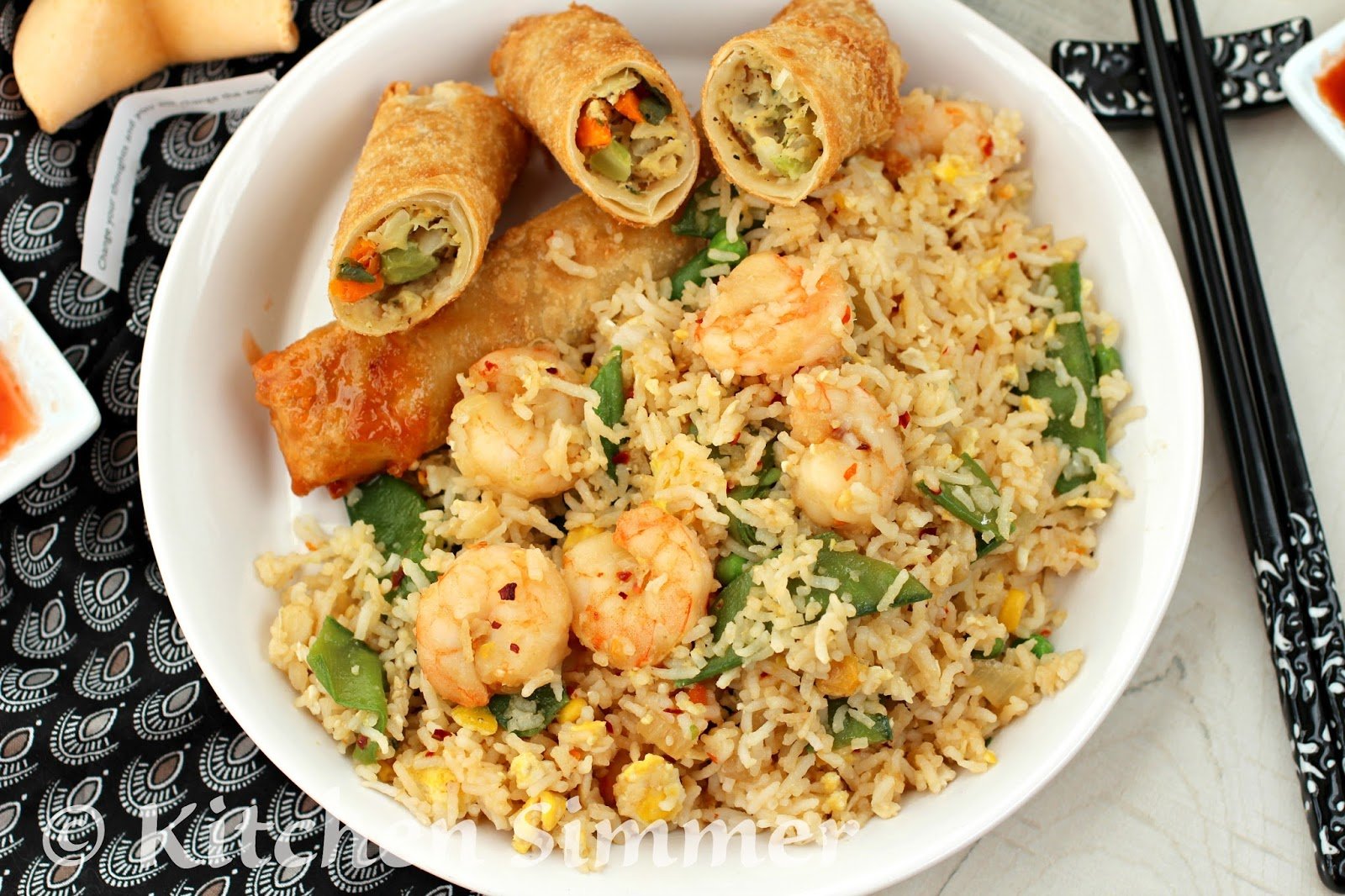
Image source: Bing (Web (fair-use with source credit))
What If One Zone Finishes First?
That's fine. Pull the finished basket and keep it warm. A tortilla warmer or a plate with an inverted bowl works great.
Or just let it rest open, the residual heat keeps it comfortable for a few minutes.
Aggregate reviews suggest that resting actually helps egg rolls hold their crunch. The steam inside redistributes through the filling instead of escaping out the sides.
The 375°F Rule: Why Temperature Trumps Time
Every recipe site gives you different times, but the temperature is what matters. At 375°F, egg roll wrappers crisp without burning. At 400°F, the wrapper darkens fast while the filling stays cold.
Egg rolls contain a dense filling of cabbage and meat. That mass takes time to reach temperature. Crank the heat too high and you'll achieve the worst combination: a burnt exterior and a cold center.
The USDA's safe minimum internal temperature for reheated leftovers is 165°F. At 375°F ambient heat, a typical egg roll reaches that mark in 5 to 7 minutes. Time varies by size, but the temperature stays constant.
Fried rice behaves similarly. At 400°F, the grains crisp on the exterior while the interior steams gently to temperature. Go lower, like 350°F, and the rice dries out before it finishes heating.

Image source: Web (Bing) / manuals.plus (Web image (fair-use with source credit))
The Science of Steam
Steam is why the wrapper gets soggy. When moisture escapes from the filling, it condenses on the wrapper's surface. High heat evaporates that moisture faster than it forms, which keeps the crust crisp.
The same principle works in reverse for fried rice. A sprinkle of water creates steam that separates the grains. Then the 400°F heat drives that moisture off the surface, leaving you with fluffy but not wet rice.
Common Reheating Mistakes That Wreck Your Takeout
Most people make the same four mistakes. Avoid them and you'll never ruin another leftover meal.
Skipping the preheat. Cold air fryers cook slowly and unevenly. Always give your unit 3 to 5 minutes to reach temperature before adding food.
Overcrowding the basket. Piling food blocks airflow. Steam gets trapped, and nothing crisps. Keep everything in a single layer, even if it means cooking in batches.
Using the microwave at all. The microwave heats water molecules directly, which destroys crispy textures instantly. Egg rolls turn rubbery, and fried rice becomes a sticky clump. It's not worth the 90 seconds you save.
Ignoring internal temperature. Visual cues lie. That golden brown exterior doesn't guarantee the center is hot. Use an instant-read thermometer on every batch.
Quick Reference: At-a-Glance Time and Temp Card
Save this for your next leftover night. It's the entire method in one table.
| Food | Zone | Temp | Time | Notes |
|---|---|---|---|---|
| Fried rice | Zone 1 | 400°F | 5–7 min | Stir once halfway. Add 1 tsp water for moisture. |
| Egg rolls | Zone 2 | 375°F | 5–6 min | Flip halfway. Spray lightly with oil for extra crisp. |
Testing Your First Batch
Start with a small test batch to learn your appliance's quirks. Every air fryer runs slightly hot or cold. A quick test tells you whether your unit needs more or less time.
Take notes on your first attempt. Write down the exact time your unit needs for perfect results. You'll use it every time from then on.
Frequently Asked Questions
Can I reheat fried rice and egg rolls together in the same air fryer basket?
Yes, but only if they don't touch. Steam from the rice will soften the egg roll wrapper. Use a divider or cook them in separate batches.
The results are much better when they're separate.
Why does my fried rice turn out mushy?
You're adding too much water or covering the basket. A single teaspoon of water is plenty. Keep the basket open or vented so steam escapes.
Cook at 400°F for crisp-tender grains.
Should I spray oil on egg rolls before reheating?
A light spray helps restore that golden crunch. Use any neutral oil with a high smoke point, like canola or avocado oil. Don't soak them, use one quick pass with your spray bottle.
How long do reheated leftovers stay safe to eat?
Reheated food should be eaten immediately or refrigerated within 2 hours. Reheating again isn't recommended. Each cycle increases the risk of bacterial growth, per USDA guidelines.
Can I reheat frozen fried rice the same way?
Frozen rice needs more time. Run it at 400°F for 8 to 10 minutes, stirring twice. Add the water before cooking so the ice crystals don't dry out the grains.
Why do my egg rolls come out burnt but cold inside?
Your temperature is too high. Drop the setting to 350°F and extend the time to 7 to 8 minutes. This lets the filling heat through without charring the wrapper.
Final Verdict: The Leftover Dinner Workflow
The best method depends entirely on your appliance. If you have a dual-zone air fryer, set zone 1 to 400°F and zone 2 to 375°F. Load both baskets, cook for 5 to 7 minutes, and serve.
If you only have one basket, do the egg rolls first, then the fried rice. It takes 10 minutes total and beats the microwave every time.
No matter your setup, the rules stay the same: preheat, keep food in a single layer, and check the internal temperature. Do that, and your takeout gets a second life that tastes just as good as the first.
Your egg rolls are crisp, the fried rice steams perfectly, and you got there without a single soggy wrapper.
Your First Try: A Simple Workflow to Test
Start with the most reliable batch: no more than two servings. Sized portions cook more evenly, and you can watch how your specific machine behaves without the risk of wasting food.
The workflow is this: prep, load, cook, test, adjust. Prep means preheating both zones. Load means laying food in a single layer. Cook for the minimum time noted earlier.
Take a temperature reading. Check for crispness and texture. Adjust the time by one-minute increments on the next batch.
If the egg rolls are done but the rice needs a bit more time, that's your cue. Remove the egg rolls and rest them on a wire rack for a couple of minutes. Meanwhile, run the rice for another minute or two. Then serve everything together.
How to Scale This for Bigger Takeout Spreads
Working with a large order of food changes the game. A double batch of rice or a tower of egg rolls still needs to be spread into a single layer. Crowding the basket creates steam instead of crispness.
The solution is to work in batches but control the timing. Reheat the large batch of rice first, transfer it to a warm (not hot) oven, and hold it there. Keep the temperature at 200°F to hold it without drying it out. Then, use your basket for the egg rolls in smaller, faster batches.
This method turns your air fryer into a finishing station. The oven holds the food at a safe temperature while the air fryer delivers the crunch on demand. For a big spread, consider a buffet-style setup where you keep sauces on the side, so the crispness lasts until the last plate is served.