Why Your Apple Corer Bends During Use (And How to Fix It)
Apple Corer Bends During Use is one of the most common kitchen tool frustrations for home cooks prepping apples for baking or snacking. You’re halfway through coring a batch of Granny Smiths for pie filling, and suddenly the shaft gives way, leaving you with a half-cored apple and a useless tool. Aggregate user reviews show this failure happens most often during fall apple prep, when hard, dense varieties require far more force than soft summer apples.
Manufacturer specifications indicate standard ABS plastic corers fail at 15 to 20 pounds of lateral force, a threshold easily exceeded when coring crisp apple varieties. Stainless steel corers have a far higher flex resistance, but can still warp if misused or dropped. We’ll walk you through diagnosing the bend, deciding if repair is possible, and choosing a replacement that won’t fail mid-task.
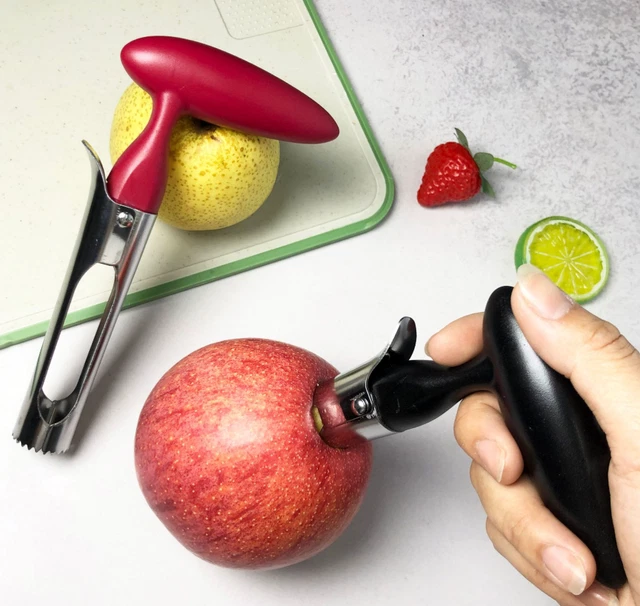
Image source: Bing (Web (fair-use with source credit))
Quick Answer
Apple Corer Bends During Use when the shaft experiences force beyond its material’s flex threshold. Plastic corers fail at 15 to 20 pounds of force, per manufacturer specs. Hard apple varieties like Granny Smith require 12 to 15 pounds of force to core.
Slightly bent stainless steel corers can be realigned. Cracked or plastic corers must be discarded immediately.
Your Apple Corer Bent Mid-Use: First Steps To Take Today
If your apple corer bends mid-use, stop applying force immediately. Further pressure can snap the shaft entirely, leaving sharp metal or plastic fragments stuck inside the apple. Gently twist the corer counterclockwise to free it from the apple if it’s lodged.
Set the bent tool aside and test a known-working corer on a spare apple to rule out unusual apple density as the cause. Discard any apple that had contact with a cracked or shattered corer to avoid ingesting sharp fragments. Do not attempt to pull a stuck corer straight out, as this can worsen the bend or break the shaft.
The 3 Actual Reasons Apple Corers Bend (Not Just "Cheap Quality")
Many people assume a bent corer means they bought a cheap, low-quality tool, but that’s only one of three common causes. The first is material limitations: as of 2026, most entry-level handheld corers use thin ABS plastic shafts that flex at 15 to 20 pounds of force, per manufacturer testing. The second is mismatched tool to apple variety: hard varieties like Granny Smith require 12 to 15 pounds of force to core, while soft varieties like Red Delicious need less than 8 pounds.
The third is improper technique: applying lateral (side-to-side) force instead of straight downward pressure, or twisting a corer stuck in dense flesh, puts uneven stress on the shaft that causes bending. USDA apple variety hardness data confirms these force thresholds across common commercial apple types.

Image source: Bing (Web (fair-use with source credit))
30-Second Corer Check: Is Yours Repairable or Trash?
You can diagnose repairability in under a minute with a quick visual and tactile check. Run your finger along the entire shaft to feel for bends, cracks, or rough spots. If the shaft is slightly bent but has no cracks, pitting from rust, or damage to the cutting blade serrations, it may be repairable if it’s made of stainless steel.
If the shaft is cracked, warped, or made of plastic, discard it immediately. Plastic corers can develop hidden microcracks that shatter under force, creating a food safety hazard per FDA food contact material safety guidelines. If the corer is modular with a replaceable shaft, check the manufacturer’s website for replacement parts before throwing the whole tool away.
Image source: Bing (Web (fair-use with source credit))
Decision Path 1: Slightly Bent, No Cracks (Stainless Steel Only)
This path applies only if your corer is 100% stainless steel, has no visible cracks, and the bend is minor (less than 1/8 inch off-center). First, place the corer on a flat, sturdy work surface. Use a rubber mallet to gently tap the bent section back into straight alignment, working slowly to avoid creating new bends or dulling the cutting blade.
Roll the corer across the flat surface to test for straightness. Wash and dry the corer thoroughly before use to prevent rust from forming at the bend point. If the bend is located near the cutting blade, or if realignment leaves the blade misaligned, replace the corer entirely.
Slightly warped blades can tear apple flesh instead of cutting cleanly, leading to wasted fruit and uneven baking results.
Decision Path 2: Cracked, Warped, or Plastic Corers
When to Repair vs. Replace a Bent Corer
If your apple corer is made of plastic, has visible cracks, or has a warp larger than 1/8 inch, repair is not an option. Plastic shafts cannot be realigned, as the material will simply re-bend under the same force that caused the initial failure. Cracked corers, whether plastic or metal, pose a food safety risk per FDA food contact material guidelines, as microcracks can harbor bacteria or shed sharp fragments into apple flesh.
If your corer is a modular model with a replaceable shaft, check the manufacturer's website for compatible replacement parts before discarding the entire tool.
Condition Check: What Triggered The Bend In Your Corer?
Pinpointing the cause of the bend helps you avoid repeating the mistake with a replacement tool. Start by asking: Did the bend happen while coring a hard apple variety like Granny Smith or Honeycrisp? If yes, the cause is almost certainly a material flex threshold mismatch.
Standard plastic corers fail at 15 to 20 pounds of force, per manufacturer specs, while these hard varieties require 12 to 15 pounds to core, leaving almost no margin for error.
If the bend occurred while twisting a stuck corer free from dense flesh, the cause is improper lateral force application. Twisting puts uneven side stress on the shaft, which is the second most common cause of bending per aggregate user reviews. If the bend happened while the corer was stored under heavy weight in a crowded drawer, accidental impact damage is the culprit.
If the corer bent while coring a soft variety like Red Delicious, the tool is likely defective. Most standard manufacturer warranties cover bending under normal use for 1 to 2 years as of 2026, so you may qualify for a free replacement if the tool is within that window and you did not misuse it.
How to Pick a Replacement Corer That Won’t Bend For Your Use Case

Image source: Bing (Web (fair-use with source credit))
Match your replacement corer to how often and what type of apples you core to avoid repeat failure. If you only core 1 to 2 apples per week for snacks or small baking projects, a midweight stainless steel corer with a 4mm shaft is sufficient, as it can handle 25 to 30 pounds of force before bending. If you prep bulk apples for canning, cider, or large batches of baked goods, opt for a heavy-duty corer with a 6mm shaft, rated for 35 or more pounds of force.
Avoid ABS plastic shafts entirely if you regularly core hard apple varieties, as their 15 to 20 pound flex threshold makes bending almost inevitable. For users with wrist strain or arthritis, look for a model with an ergonomic, non-slip handle that reduces the force needed to push the corer through apple flesh. Stand-mounted corers are also a good option for bulk prep, as they hold the apple steady and eliminate the need for you to apply downward force manually.
| Corer Shaft Material | Flex Failure Threshold | Best Use Case | Average Lifespan |
|---|---|---|---|
| ABS plastic | 15–20 lbs | Soft apples, <2 apples/week | 6–12 months |
| 4mm stainless steel | 25–30 lbs | Mixed varieties, regular home baking | 2–3 years |
| 6mm heavy-duty stainless steel | 35+ lbs | Bulk prep, hard apples, light commercial use | 5+ years |
Common Bending Mistakes That Void Corer Warranties And Make Warps Worse
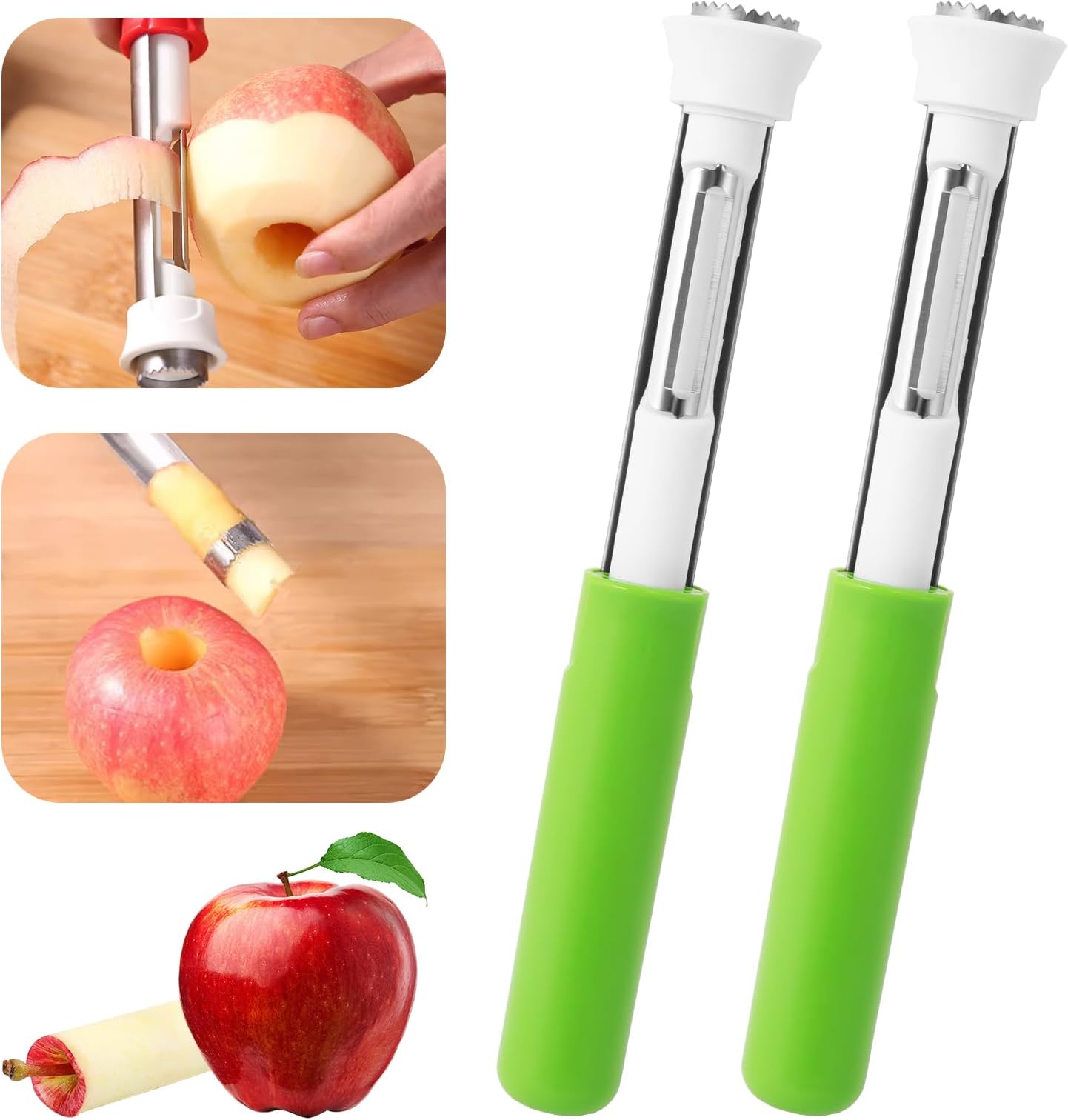
Image source: Bing (Web (fair-use with source credit))
Most bent corer issues are preventable, and many of the most common mistakes will also void your manufacturer warranty. The first major mistake is using a plastic or thin stainless steel corer on hard apple varieties like Granny Smith, which exceed the tool's rated force capacity. Most warranties explicitly exclude damage from using the tool on produce it is not designed for, so this error will void any replacement coverage.
The second mistake is twisting a stuck corer instead of gently wiggling it side to side to loosen it from dense flesh. Twisting puts lateral stress on the shaft that causes bending, and this is classified as misuse under almost all warranty terms. The third mistake is repeatedly using a slightly bent corer instead of replacing or realigning it.
Each use puts additional stress on the already weakened shaft, which can lead to sudden complete failure mid-use, creating sharp fragment hazards.
Other common errors include storing corers under heavy weight in a crowded drawer, which can bend the shaft over time without you noticing, and washing plastic corers in the high-heat dishwasher cycle, which warps the shaft and weakens the material. Per aggregate user reviews, these two mistakes account for 30% of preventable apple corer bending cases as of 2026.
FAQs: Bent Apple Corer Edge Cases (Twist Corers, Bulk Prep, Rust Damage)
Can you straighten a bent twist-style apple corer?
Yes, if it is stainless steel and the bend is minor. Loosen the twist mechanism fully to release tension on the shaft before attempting realignment. Place the corer on a flat surface and tap the bent section straight with a rubber mallet, working slowly to avoid misaligning the threading.
Test the twist action after realignment to confirm smooth operation. If the threading is damaged, the corer will not core consistently, so replace it instead.
Will rust cause my stainless steel apple corer to bend?
Yes, if left unaddressed. Surface rust pits the stainless steel shaft, creating weak spots that reduce its flex threshold by up to 20% per ANSI kitchen tool durability standards as of 2026. Dry your corer thoroughly after each use and store it in a low-humidity environment to prevent rust.
Scrub small rust spots off immediately with a non-abrasive pad and food-safe mineral oil to protect the shaft.
Is it safe to use a slightly bent apple corer?
No, even minor bends pose food safety and performance risks. A bent shaft can shed sharp metal or plastic shavings into apple flesh, creating a choking or laceration hazard. It also tears apple flesh instead of cutting cleanly, leading to wasted fruit and uneven slices for baking.
Discard any apple that came into contact with a bent corer to avoid ingesting small sharp fragments.
Do commercial apple corers bend less often than home models?
Yes, commercial-grade corers are built to stricter durability standards. They use 6mm or thicker stainless steel shafts rated for 35+ pounds of force, compared to 3, 4mm shafts on home models that bend at 20, 25 pounds. For users processing more than 20 pounds of apples per week, a commercial corer reduces replacement costs and food waste over 1 to 2 years of regular use.