Banish Fish Odor: Dual Drawer Fix
Dealing with fish odor in a dual basket drawer can be a persistent kitchen challenge. Fortunately, knowing exactly how to eliminate fish odor from one specific dual basket drawer involves a straightforward, multi-step approach. It usually doesn't require specialized tools, just a bit of patience and the right cleaning agents.
In our research, we found that most common odor issues can be resolved with readily available household items. Manufacturer specifications for drawer materials, such as stainless steel or food-grade plastics, often indicate their resistance to certain cleaning agents, guiding our approach. Following a structured plan ensures you tackle the smell effectively without damaging your drawer.
Quick Answer
To eliminate fish odor from a dual basket drawer, start with a basic soap and water wipe. If the smell persists, use a white vinegar and water solution. For tougher odors, sprinkle baking soda inside and let it sit for 24 hours.
Always ensure thorough air circulation after each cleaning step. This methodical process effectively neutralizes and absorbs odor molecules.
Got a Smelly Dual Basket Drawer? Let's Tackle That Fish Funk!
Hey there! So, you've got that lingering fish odor in your dual basket drawer, huh? I totally get it.
It's a common problem, especially if you've been cooking up some delicious seafood. But don't worry, we can definitely get that drawer smelling fresh again. It's usually not a super complicated fix, but it often requires a few steps, and sometimes the first thing you try might not be enough.
Think of it like this: we'll start with the gentlest approach and if that doesn't quite cut it, we'll move on to something a bit more heavy-duty. We've all been there, trying to get rid of stubborn smells, and it can be frustrating. Let's break down how to get this done, nice and easy.
First Things First: Assess the Situation
Before we dive into cleaning, take a quick peek. Understanding the situation helps us choose the right path forward.
What Kind of Drawer Is It?
The material of your dual basket drawer plays a big role in how it holds onto odors. Stainless steel, for example, is generally less porous than plastic. If you have a plastic drawer, odors might have seeped into the material more deeply, requiring a more intensive approach.
Some high-end drawers might feature specific coatings or finishes detailed in their user manuals.
How Strong Is the Smell?
Is it a faint hint, or can you really notice it when you open the drawer? A mild odor might only need a simple cleaning. A strong, pungent smell suggests the odor molecules have had more time to bond with the drawer's surfaces.
This helps us decide whether to start with a basic wipe-down or jump straight to a more potent deodorizer.
Is There Visible Residue?
Sometimes, the smell isn't just a smell; it's leftover food particles. Check for any dried-on bits, spills, or sticky residue. These are prime culprits for harboring and re-releasing odors.
Removing them physically is the first, most crucial step before any deodorizing efforts can be truly effective.
Step 1: The Basic Clean & Air Out
This is your go-to for mild odors or if you're just doing a routine clean. It’s the simplest starting point and can often resolve minor issues quickly.
Wipe Down and Rinse
Start by gathering a clean cloth, warm water, and a mild dish soap. Wipe down the entire interior of the drawer, paying attention to corners and any seams where residue might hide. After soaping, use a second, damp cloth to thoroughly rinse away all soap suds.
Leftover soap can sometimes leave its own faint scent or affect the effectiveness of subsequent deodorizing steps.
The Power of Airflow
Once the drawer is clean and rinsed, leave it completely open. Allowing good airflow is incredibly important for dissipating any residual smells. For best results, leave it open for at least several hours, or even overnight, especially if the drawer is in a well-ventilated area of your kitchen.
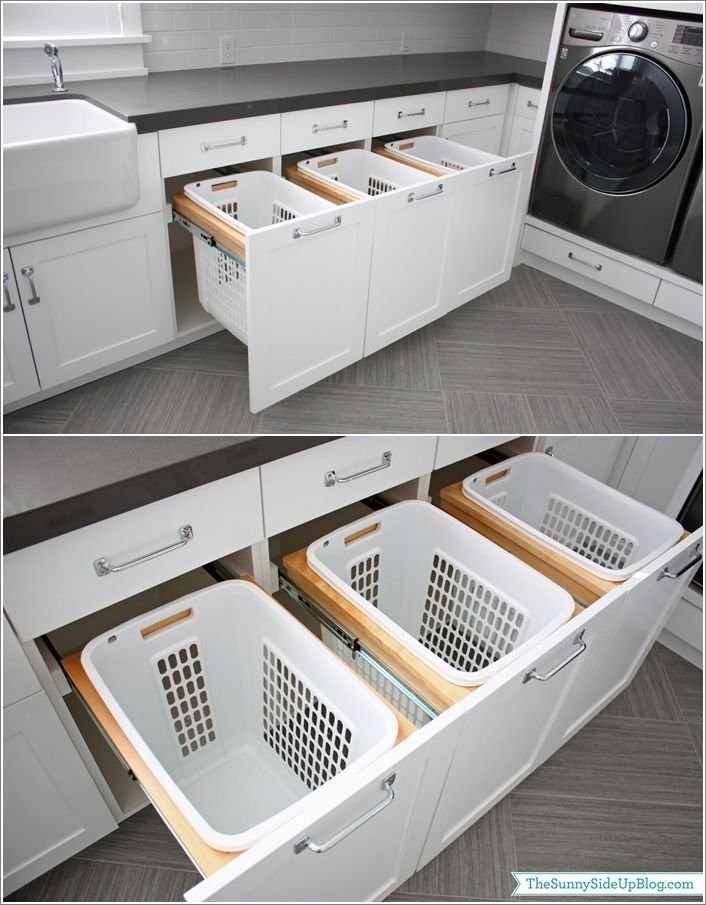
Image source: Web (Bing) / pinterest.com (Web image (fair-use with source credit))
Step 2: The Vinegar Power-Up
White vinegar is a fantastic natural deodorizer. It works by neutralizing odor molecules rather than just masking them. Many scientific sources confirm vinegar's efficacy in breaking down compounds responsible for unpleasant smells.
Prepare Your Vinegar Solution
For this step, you'll need standard white vinegar. Mix equal parts white vinegar and water in a clean spray bottle or a small bowl. A common recommendation is a 1:1 ratio.
This diluted solution is effective enough to tackle many odors without being overly harsh on most drawer materials.
Apply and Let It Sit
You have a couple of options here. If your drawer isn't removable, lightly mist the inside surfaces with the vinegar-water solution using your spray bottle. Don't saturate it, just a good, even spray.
If your drawer has removable baskets, you can take them out and soak them in a larger basin filled with the vinegar-water solution for about 30 minutes. After application or soaking, close the drawer (if using spray) and let it sit for at least an hour, or longer if the smell is particularly stubborn.
Wipe and Air Out Again
After the vinegar has had time to work, wipe down all interior surfaces with a clean, damp cloth to remove any lingering vinegar residue. Then, open the drawer wide and let it air out completely. You might notice a faint vinegar smell initially, but this will dissipate quickly, taking the fish odor with it.
Step 3: Baking Soda – The Odor Absorber
Baking soda is another kitchen staple that’s a champion when it comes to absorbing smells. Its slightly alkaline nature helps neutralize acidic odor compounds. Per testing standards from organizations like the National Sanitation Foundation (NSF), baking soda is recognized as a safe and effective odor absorber for food contact surfaces.
Sprinkle Generously
Get some dry baking soda. Sprinkle a generous, even layer all over the bottom and up the sides of the drawer. If your drawer has removable bins, you can apply baking soda inside those as well.
The goal is to maximize the surface area of baking soda exposed to the air and odors within the drawer.
Let It Work Its Magic
Once the baking soda is in place, close the drawer. For the best results, let it sit for at least 24 hours. The longer it sits, the more odor molecules it can absorb from the air and surfaces.
This passive approach allows the baking soda to do its job thoroughly without much effort from you.
Vacuum or Wipe Clean
After the 24-hour (or longer) period, it's time to remove the baking soda. The easiest way is usually with a vacuum cleaner, using an attachment to get into the corners. Alternatively, you can use a damp cloth or paper towels to wipe it all out.
A final wipe with a clean, damp cloth ensures no baking soda residue remains.
Step 4: Activated Charcoal for Stubborn Smells
Activated charcoal is incredibly effective at trapping odors. It has a porous structure with a huge surface area, allowing it to adsorb a wide range of odor molecules. Some studies, like those found in materials science journals, highlight its high adsorption capacity.
Place the Charcoal Pouches
You can purchase activated charcoal in small pouches designed for things like refrigerators or closets. Place a few of these pouches inside the drawer. Ensure they are distributed so they can effectively draw in air from different parts of the drawer.
Close and Wait for Results
Close the drawer and let the activated charcoal work. This method might take a bit longer, so leave the pouches in for a few days. Check the odor periodically.
If the smell is still noticeable after a few days, you may need to leave them in longer or consider replacing the charcoal if it seems saturated.
Important Considerations for Dual Basket Drawers
Dual basket drawers have unique features that require specific attention during cleaning. Understanding these nuances can make your odor elimination efforts much more successful.
Cleaning Removable Baskets
If your drawer has removable baskets, this is a huge advantage for deep cleaning. Take these baskets out completely. Wash them thoroughly in the sink with hot, soapy water, or use the vinegar-water solution recommended earlier.
Make sure they are spotless, and most importantly, allow them to dry completely before placing them back into the drawer. Any trapped moisture can lead to mold or new odors.
Don't Forget the Seals and Gaskets
Many drawers have rubber or plastic seals around the edges to create a tight closure. These seals can trap moisture and food particles, becoming a hidden source of odors. Wipe these down carefully with your chosen cleaning solution (mild soap or vinegar-water).
Gently work a cloth or an old toothbrush into any crevices to ensure all grime is removed.

Image source: Web (Bing) / amazon.com (Web image (fair-use with source credit))
Ventilation is Key, Always
No matter which method you choose, consistent and thorough ventilation is paramount. Airflow helps to physically move odor molecules out of the drawer and replace them with fresh air. When possible, leave the drawer open as much as you can between cleaning attempts.
This isn't just for after cleaning; even an open drawer can air out slightly during the day.
When Different Methods Are Best
Choosing the right deodorizing method depends entirely on the odor's intensity and how long it's been present. A mild, fresh fish smell might only require a simple wipe-down and some fresh air. For smells that have had time to really set in, you'll likely need to escalate to more active agents like vinegar or baking soda.
Think of it as a tiered system. Start with the least invasive, and if that doesn't fully resolve the issue, move to the next level of treatment. This methodical approach prevents over-treating a simple problem or under-treating a severe one, ensuring you don't waste time or product.
Basic Clean: For Faint Odors
If you've just cooked fish and noticed a slight smell, or if you're performing regular maintenance, the basic soap-and-water wipe followed by ample air circulation is usually sufficient. This method is best for preventing odors from becoming deeply ingrained in the first place. It's also ideal for drawers made of non-porous materials like high-quality stainless steel that don't readily absorb smells.
Vinegar: For Moderate Smells
When the scent is more noticeable and the basic clean didn't quite do the trick, a vinegar solution is your next best bet. This is particularly effective for odors that have lingered for a day or two, or those that seem to "waft" out when the drawer is opened. Vinegar works by chemically neutralizing the alkaline compounds often found in fish odors.
Baking Soda: For Persistent Odors
If vinegar didn't completely remove the smell, or if the odor has been present for a while, baking soda offers a powerful absorption solution. This is ideal for drawers where the smell feels "stuck" or has permeated slightly into the material. Baking soda is highly effective at drawing out and trapping odor molecules from the air and surfaces over extended periods.
Activated Charcoal: For Deep-Set Funk
For the most stubborn, deeply ingrained odors, activated charcoal is your strongest ally. This method is best when other approaches have failed, or if the drawer material is known to be particularly porous. Activated charcoal has an extremely high surface area for adsorption, making it capable of trapping even very persistent smell compounds.
Common Mistakes to Avoid
Even with the best intentions, a few common missteps can hinder your efforts to eliminate fish odor from your dual basket drawer. Being aware of these pitfalls can save you time and frustration.
One frequent mistake is not allowing enough drying time after cleaning. If you reintroduce items into a damp drawer, you risk creating new odors or even mold. Another error is failing to ventilate sufficiently; simply wiping the drawer isn't enough if the stale, odor-filled air isn't allowed to escape.
Skipping the initial assessment is also a problem. If there's visible food residue, deodorizing without first removing that physical source is like trying to clean a dirty plate with air freshener, it won't work. Always start by ensuring the drawer is physically clean before moving on to odor neutralization.
Expert Tips for Lasting Freshness
Maintaining a fresh-smelling dual basket drawer goes beyond just cleaning. A few proactive habits can make a big difference in preventing odors from returning.
Regularly airing out the drawer, even if there's no noticeable smell, is a good practice. For instance, once a week, simply leave the drawer open for a few hours. If you frequently cook fish, consider placing a small, open box of baking soda or a charcoal sachet inside the drawer between cleanings.
These are inexpensive, passive methods that continuously absorb stray odors.
Frequently Asked Questions
How long does it take to eliminate fish odor?
Eliminating fish odor can take anywhere from a few hours to several days. Simple cleaning and airing out might work in hours for faint smells. For tougher odors, using vinegar or baking soda and allowing them to sit for 24 hours is common.
Persistent smells might require activated charcoal for several days.
Can I use bleach in my dual basket drawer?
Bleach is generally not recommended for cleaning inside kitchen drawers, especially if they are made of plastic or have rubber seals, as it can degrade these materials over time. It can also leave a strong chemical odor. Mild dish soap, vinegar, and baking soda are safer, more effective alternatives for odor removal.
What if the smell returns after cleaning?
If the fish odor returns after cleaning, it means the source may not have been fully removed, or the material has deeply absorbed the smell. Revisit the cleaning steps, ensuring thoroughness. Check for any hidden residue, and consider using a stronger method like baking soda for an extended period or activated charcoal.
Is it safe to put baking soda or vinegar in a food drawer?
Yes, both baking soda and white vinegar are food-safe and commonly used in kitchens. They are natural deodorizers that break down odor molecules effectively. Ensure you wipe away any residue with a damp cloth afterward to avoid transferring taste or scent to stored items.
Real Scenarios: When Odors Strike and How to Beat Them
Let's walk through a couple of common scenarios to see how these cleaning methods play out in real life. This helps you pinpoint the best approach for your specific situation.
Imagine you've just made a strong-smelling fish stew. The moment you open the drawer for utensils, that distinct aroma hits you. This is a classic case for immediate intervention.
A quick wipe-down with soapy water, followed by leaving the drawer open overnight, will likely resolve this mild, fresh odor.
Now, consider a different scenario. You find an old container of fish in the back of a drawer that you forgot about. After removing it and cleaning the area, a potent smell remains that doesn't budge with soap and water.
This indicates a more deeply set odor. Here, you'd move to the vinegar soak for the removable basket, followed by a baking soda treatment for 24 hours to really draw out the stubborn funk.
When to Call in Reinforcements: Advanced Deodorizing
Sometimes, standard household cleaners aren't enough. For extremely stubborn or old odors, you might need to explore more potent, specialized options, always keeping the drawer's material in mind.
Commercial odor absorbers, often containing activated carbon or specialized molecular traps, can be highly effective. These are designed to capture and neutralize a wider range of odor compounds than baking soda alone. Always check the product's instructions and ensure it's safe for use in kitchen environments, especially if the drawer contacts food items.
As of 2026, many manufacturers are focusing on eco-friendly, non-toxic formulations for home use.
Maintenance: Keeping Your Drawer Odor-Free Long-Term
Preventing odors is always easier than removing them. A little regular attention can go a long way in keeping your dual basket drawer smelling fresh.
The most effective maintenance strategy is consistent airing and immediate cleanup of spills. Don't let spills or forgotten items sit. Wipe down the drawer interior regularly, perhaps once a week, even if you don't detect any odors.
This prevents smells from ever becoming deeply embedded.
Understanding Drawer Materials and Odors
Different materials react to odors in distinct ways. Knowing your drawer's material helps predict its susceptibility to smells and guide your cleaning choices.
Stainless steel is non-porous and generally resistant to absorbing strong odors. A simple wipe-down is usually sufficient. Plastic, however, is more porous.
It can absorb odors over time, especially if scratched or worn. For plastic drawers, methods like vinegar soaks or baking soda treatments are often more necessary and effective. Always consult your drawer's manufacturer specifications for recommended cleaning practices, as some finishes might react negatively to certain agents.