Cherry Pitter Gets Jammed? Causes and Easy Fixes
A cherry pitter gets jammed when the pit, skin, or sticky juice stops the plunger from moving cleanly. The handle may stick, the pit may not eject, or the cherry may crush instead of pitting. Most jams are small mechanical blocks, not broken tools.
Cherry pits are usually about 7 to 10 mm wide, while many manual pitters are built for fruit around 16 to 28 mm wide. That gap leaves little room for oversize fruit, dried sugar, or misaligned parts. Once you know where the blockage sits, the fix is usually quick.
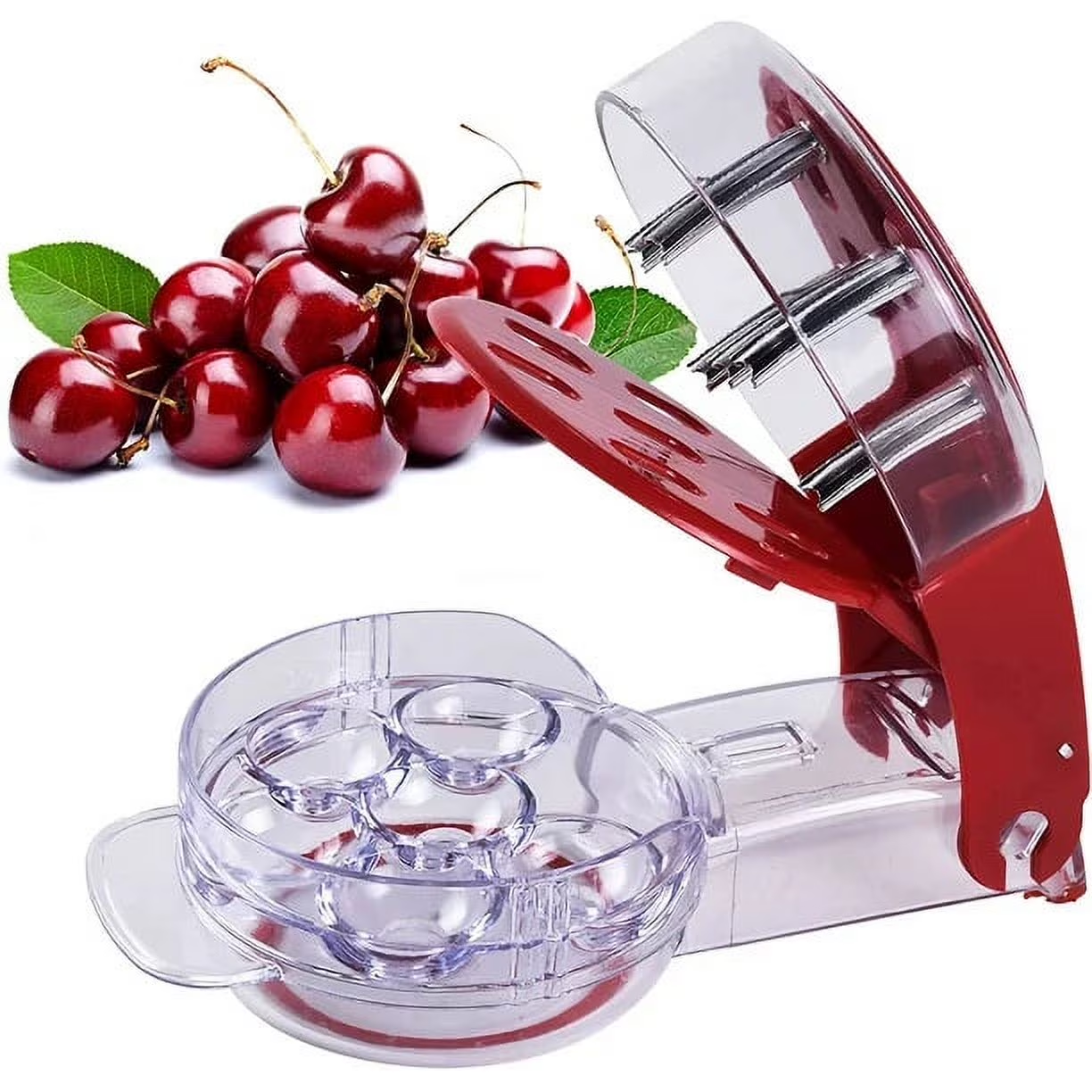
Image source: Bing (Web (fair-use with source credit))
Quick Answer
When a cherry pitter gets jammed, stop pushing and remove fruit safely. Clear the pit path with a wooden pick first. Rinse dried juice, realign the rod, then test one cherry.
Don't use metal tools and sort soft split fruit first.
Why a Cherry Pitter Jams in the First Place
A manual cherry pitter uses a pit ejector rod to push the stone out while the fruit sits in a fruit cradle. A spring-return mechanism resets the rod after each press. The rod must line up with the pit and the pit discharge chute.
If any part of that path is blocked, the handle will resist.
Most jams come from fruit variation or residue. Cherries are not uniform. A pit can sit off center, a large cherry can overfill the seat, and juice can dry into a sticky film.
In our research, the same symptoms show up across handheld and countertop models. Aggregate reviews report the same four causes. The tool usually needs clearing, adjustment, or cleaning.
| Variable | What happens | Quick clue |
|---|---|---|
| Cherry size | Fruit wedges in the cradle | Handle stops early |
| Pit position | Rod hits flesh, not pit | Cherry crushes |
| Dried juice | Parts move slowly | Lever sticks after pauses |
| Spring return | Plunger does not reset | Rod stays partly down |
As of 2026, many budget manual pitters use plastic housings and thin metal rods. Those parts can handle firm, medium fruit, but they bind when overloaded. That's why the fix starts with the blockage, not force.
Sweet cherries are often larger and softer. Tart cherries are usually smaller and firmer. A pitter set for one type can struggle with the other.
Stems and split skins can also cause trouble. Remove stems before pitting. Discard bruised fruit that can gum up the seat.
Fast Checks Before You Force the Handle
Stop as soon as the handle feels stiff. Forcing the lever can bend the rod or crack the housing. It can also push fruit deeper into the mechanism.
Do these checks first:
- Remove all cherries from the hopper or cradle.
- Look for a visible pit in the rod path or chute.
- Press the lever slowly and feel where resistance starts.
- Check whether the spring returns the plunger fully.
- Check for dried juice around the rod guide.
- Empty the pit tray if it is close to full.
- Rinse the tool if residue feels tacky.
You only need a few soft items for most jams:
- Wooden toothpick or chopstick
- Small soft brush
- Bowl for pits and scraps
- Warm water
- Clean towel
Use simple condition checks.
- If the lever stops hard, clear the fruit seat first.
- If the lever moves but no pit comes out, check rod alignment.
- If the lever returns slowly, clean the spring area.
- If the tool jams every few cherries, sort by size and firmness.
- If pits collect in the tray, empty it before the next batch.
Manufacturer specifications indicate that metal picks can scratch plastic food-contact parts. Those scratches trap sugar. They also make future jams more likely.
If the pitter was washed in a dishwasher, check the rod guide for trapped grit. Dishwasher spray can push small bits into tight gaps. Rinse those areas by hand.
Keep fingers clear of the rod. The plunger can snap back when pressure releases. A slow check is safer than a fast repair.
Identify Where the Jam Is Happening
The fix depends on where the blockage sits. Most pitters have four trouble zones. Work from the fruit seat outward.
Pit Stuck in the Plunger Rod
A pit stuck in the rod is the most common hard jam. The pit can wedge inside the ejector tip or behind the rod collar. Remove the fruit, then push the pit out from the opposite side with a wooden pick.
If the rod is removable, take it out. Clear the pit over a bowl. Check the tip for bent edges before putting it back.
Cherry Flesh or Skin Blocking the Fruit Seat
Flesh jams happen when the cherry is too large or too soft. The fruit spreads around the rod instead of letting the pit pass. Clear the flesh, then rinse the seat under warm water.
If this repeats, use firmer cherries. You can also chill soft fruit for 20 to 30 minutes. Cold flesh holds together better during pitting.
Pit Chute Clog or Slow Ejection
A chute clog often looks like a working pitter that suddenly leaves pits in the fruit. The pit exits the cherry but stops in the discharge path. Clear the pit discharge chute with a soft brush or toothpick.
Rinse away sticky residue so pits can fall freely. If the chute is narrow, a damp cotton swab can help. Dry the area before continuing.
If you process many cherries, pause every few pounds. Empty the chute before it packs tight. This keeps ejection consistent.
Lever or Spring Not Returning Smoothly
Slow return usually points to dried juice or a weak spring. The plunger may move down but fail to reset. Clean around the spring and rod guide.
If the spring is bent or corroded, replacement is safer than repair. A weak spring can cause uneven pitting. It can also leave pits behind.
Fix the Jam Based on the Pitter Type You Own
Different pitter designs jam in different places. The tool shape tells you where to look first. A small handheld tool needs a different fix than a batch machine.
Handheld Squeeze-Style Cherry Pitter
These tools have small cradles and short rods. They jam when cherries are large or very soft. Open the handles fully and remove the fruit.
Clear the rod tip with a wooden pick. Rinse the hinge area if juice has dried there. Dry the joint before storage.
If the handles feel stiff but the rod is clear, wash the hinge in warm soapy water. Manufacturer care guides often recommend full drying to prevent rust. Handheld models are convenient, but they're less forgiving with mixed fruit sizes.
Countertop Lever or Hopper-Fed Cherry Pitter
Countertop models handle batches faster, but they can clog at the chute. If the lever stops, check the fruit seat first. If the seat is clear, inspect the pit discharge chute.
Many units have a removable tray that makes clearing easier. If pits pile up near the ejector, empty the tray more often. If the lever grinds, stop and disassemble the rod guide.
Manufacturer manuals usually show the safe disassembly points. Follow those steps rather than prying the housing. Prying can shift the rod out of alignment.
If the unit uses a clamp or suction base, check that it stays fixed. Movement can shift the fruit seat. That shift can look like a jam.
Multi-Fruit Pitter With Interchangeable Inserts
Multi-fruit pitters jam when the insert does not match the fruit. A cherry insert may be too tight for large sweet cherries. It may also be too loose for small tart cherries.
Swap to the correct insert and check that it locks flat. If the correct insert still binds, clean the insert edges. Fruit skin can collect under the rim.
Dry the parts before reassembly. This design works well when you sort fruit first. It also helps to run a few test cherries before a full batch.
Clear a Stuck Cherry Pit Without Damaging the Tool

Image source: Bing (Web (fair-use with source credit))
A stuck pit needs gentle pressure, not prying. The goal is to move the pit without scoring the rod or cracking the housing. Use tools that are softer than the pitter surface.
Follow this order:
- Remove the cherry and any loose flesh.
- Hold the pitter over a bowl.
- Push the pit out with a wooden toothpick or chopstick.
- Turn the part gently if the pit feels wedged.
- Soak the part in warm soapy water for 5 to 10 minutes if it still sticks.
- Rinse away softened residue.
- Dry the part fully.
- Realign the rod and test one cherry.
Use softer tools first.
| Safe to use | Avoid |
|---|---|
| Wooden toothpick | Knife tip |
| Chopstick | Screwdriver |
| Soft brush | Metal skewer |
| Damp cotton swab | Abrasive pad |
If a pit is deeply wedged, soaking works better than pressure. Sugar residue softens in warm water. The pit often releases with light twisting.
Don't use a knife, screwdriver, or metal skewer. Metal can bend a thin ejector rod. It can also scratch plastic food-contact surfaces.
If the rod seems aligned but still drags, check for dried sugar inside the guide. A small soft brush can remove it. Avoid abrasive pads.
If a lubricant is needed on moving parts, choose one compatible with FDA food-contact guidance. Apply it only where the manufacturer allows. Wipe away excess before the next batch.
For canning batches, keep the tool clean and sanitized. Follow USDA home canning guidance for safe fruit handling. A clean pitter also jams less because sugar and skin do not build up.
After clearing the jam, run two or three test cherries. Check each fruit for a missing pit. This confirms the rod is still centered.
Clean Out Sticky Juice, Sugar Residue, and Dried Bits
Sticky residue is often the hidden cause after a pit comes out. Cherry juice dries into a thin glue. It slows the spring and makes the lever drag.
Disassemble the removable parts first. Rinse them under warm water before scrubbing. Warm water dissolves sugar faster than cold water.
Use a small soft brush around the fruit seat and rod guide. A narrow bottle brush works well for chute walls. Dry every part before reassembly.
If parts feel rough after washing, soak them for 5 to 15 minutes. Then rinse and dry fully. Moisture left on metal parts raises rust risk.
For canning prep, keep cleaned tools sanitized according to safe home canning practice. Clean tools also eject pits more smoothly.
What if the residue is already hard?
Soak the affected part instead of scraping it. Dried cherry pulp softens quickly in warm soapy water. A wooden pick can then lift the residue without scratching the surface.
Avoid abrasive pads. They can dull plastic and create tiny grooves. Those grooves trap more sugar next time.
Adjust Your Method for Cherry Size, Firmness, and Variety
Your pitter works best when the fruit matches the cradle. Oversize sweet cherries can wedge. Small tart cherries can slip and misalign.
Sort cherries before pitting. Keep similar sizes together. Discard split, bruised, or mushy fruit.
If fruit is very soft, chill it for 20 to 30 minutes. Cold flesh resists crushing. This helps with ripe sweet cherries.
| Cherry condition | Likely problem | Best adjustment |
|---|---|---|
| Large and soft | Seat jam, crushed fruit | Chill, process slowly |
| Small and firm | Pit misses, fruit slips | Center each cherry |
| Mixed sizes | Frequent jams | Sort by size |
| Overripe | Pulp buildup | Discard or cook for jam |
If the pitter leaves pits behind, adjust placement. Set the stem scar toward the rod when possible. That gives the pit a cleaner exit path.
For tart cherries, slow down. Their small pits can hide in flesh. Check a few fruit after every handful.
If you switch from sweet to tart cherries, run a few test cherries first. The rod path may need slight repositioning. A quick test prevents a whole bowl of missed pits.
When to Repair the Pitter, Replace Parts, or Buy a New One
A simple jam is worth fixing. Repeated binding may mean the tool no longer fits the job. Use the damage type to decide.
Repair if the jam is occasional and the parts are straight. Clean, realign, and test. Most residue jams clear in under 10 minutes.
Replace parts if the spring is weak or the rod is bent. Some countertop models sell replacement springs or trays. Manufacturer manuals usually list safe replacement parts.
Buy a new pitter if the housing is cracked or the rod guide is worn. Cracks can trap food and bacteria. A bent frame can never hold alignment.
| Sign | Likely choice |
|---|---|
| Sticky but straight parts | Clean and reuse |
| Weak spring | Replace spring if available |
| Bent rod | Replace rod or tool |
| Cracked plastic housing | Replace tool |
| Rust on food-contact metal | Replace tool or part |
If replacement parts cost close to a new unit, choose the new unit. Cheap handheld pitters often cost about $8 to $20. Countertop models often run $20 to $60.
If the pitter is used for small commercial prep, choose a sturdier model. Light household tools wear out faster under daily batch use.
Mistakes That Make a Jammed Cherry Pitter Worse
Most pitter damage happens during the fix, not the jam. The biggest mistake is forcing the handle. That can bend the ejector rod or crack the fruit seat.
Avoid metal picks. They scratch plastic and score metal. Scratches trap sugar and create more jams.
Don't skip sorting. Mixed fruit sizes cause repeated jams. They also make it hard to tell whether the tool is broken.
Avoid these common errors:
- Pushing the lever harder when it sticks
- Using a knife to dig out a pit
- Washing only the outside while residue stays inside
- Storing the pitter damp
- Pitting warm, mushy cherries too fast
- Ignoring a slow spring until it fails
- Running oversized fruit through a small handheld tool
Don't oil random joints with cooking oil. It can turn sticky and attract dust. Use only a lubricant the manufacturer allows.
If the tool jams every few cherries, stop the batch. Fix the pattern first. A short pause saves the whole batch.
Prevent Jams During Large Canning or Baking Batches
Batch work needs rhythm. Small pauses prevent big clogs. Set up a simple line: wash, sort, pit, check.
Remove stems before pitting. Sort cherries by size. Keep a damp cloth nearby for sticky hands and tools.
During long sessions, rinse the pitter every 15 to 20 minutes. Don't wait for juice to dry. A quick rinse keeps the chute slick.
Empty the pit tray before it fills. Pits can back up into the discharge chute. That backup looks like a sudden jam.
For canning, keep clean and sanitized tools separate from dirty prep surfaces. Follow safe preservation methods from official extension guidance. A clean workflow also reduces fruit contamination.
If you process 5 to 15 pounds at once, take short breaks. Check the rod alignment every few pounds. This catches wear before it ruins a bowl of cherries.
What helps most during a long batch?
Consistency beats speed. Use firm, sorted fruit. Keep the chute empty and the seat rinsed.
The pitter will stay smoother from start to finish.
Safety Checks for Pinch Points, Sharp Rods, and Food-Contact Parts
Keep fingers away from the plunger rod and spring. The rod can snap forward when a jam releases. Release pressure slowly and keep the tool pointed away from your hand.
Check the ejector tip for burrs. A bent or rough rod can tear fruit and scratch plastic. Replace the part if you feel sharp edges.
Use only food-safe lubricant on moving parts. Wipe away excess before pitting. Store the pitter dry to limit rust and bacterial growth.
Cherry Pitter Troubleshooting Decision Guide
Use the symptom to pick the next move.
| Symptom | First fix | If it repeats |
|---|---|---|
| Handle stops hard | Clear fruit seat | Sort larger cherries |
| Pit stays in cherry | Realign rod and chute | Use firmer fruit |
| Lever returns slowly | Clean spring area | Replace weak spring |
| Pits back up | Empty tray and chute | Rinse during batches |
| Rust or cracks | Replace part or tool | Stop using it |
If the frame is straight and parts move freely, cleaning usually solves the jam. If alignment fails after cleaning, the tool may be worn out.
FAQs About Jammed Cherry Pitters
Why does my cherry pitter leave pits inside the fruit?
The rod is likely off center or the cherry is too soft. Realign the fruit so the stem scar faces the plunger. Use firmer cherries and test a few before processing a full bowl.
Check the chute for packed pits.
Can I put a cherry pitter in the dishwasher?
Many manual pitters are top-rack safe, but dishwasher spray can push pulp into tight parts. Check the manufacturer instructions first. If residue remains, hand wash the rod guide and chute.
Dry all metal parts right away to prevent rust after washing.
What is the safest way to remove a stuck cherry pit?
Use a wooden toothpick or chopstick, not a knife. Push gently from the opposite side while holding the pitter over a bowl. If it will not move, soak the part in warm water.
Softened juice usually releases the pit safely.
How do I stop jams during a large batch?
Sort cherries by size and remove stems first. Rinse the seat and chute every fifteen to twenty minutes. Empty the pit tray before it fills and slows ejection.
Chill soft fruit briefly for cleaner pitting. This keeps the rod path clear.