Can Kids Use a Cherry Pitter? Age & Safety Tips
Can Kids Use a Cherry Pitter? The safe answer is sometimes, not always. A cherry pitter can be safer than a knife, but it still has pinch points and flying pits.
It also depends on the child, the tool, and the counter setup.
As of 2026, most handheld cherry pitters fit sweet cherries about 17 to 28 mm across. Cherry pits are often 8 to 13 mm wide, so loose pits matter around young children. That is why the decision starts with age and control.
Can Kids Use a Cherry Pitter? Age & Safety Tips
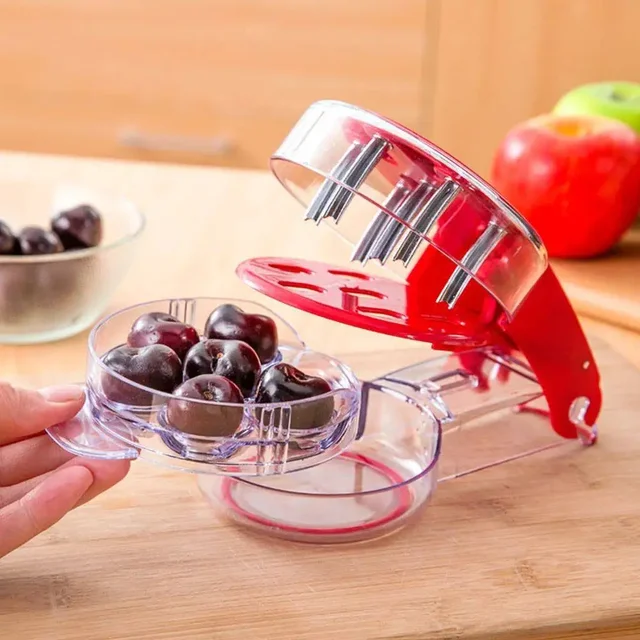
Image source: Bing (Web (fair-use with source credit))
Quick Answer
Can kids use a cherry pitter safely at home? Older children can use one with direct adult supervision. Toddlers and preschoolers should not operate the tool themselves.
A stable countertop model reduces slipping and pinch risk. Loose cherry pits still create a real choking hazard.
Why the Cherry Pitter Question Needs a Safety Decision First
A cherry pitter is not a toy. It is a food tool with a small plunger, a hinge, and a pit exit path. In our research, the safest family setups treat it like a mandoline or grater.
It can be useful, but only after a quick risk check.
The safe path is not one rule. It is a sequence of checks. If your child can follow one step at a time, you can consider supervised use.
If your child still mouths small objects, wait.
If the tool slides on the counter, fix the setup first. If pits spray out, move the child farther away. If the child gets tired or rushed, stop.
Those small shifts change the whole safety picture.
Manufacturer age guidance varies. Some handheld pitters are not intended for young children at all. Aggregate buyer reviews often praise speed, but they also mention splatter and pinched fingers.
Those reports are useful because they point to the real failure modes.
The Main Risk Variables That Change the Answer
Three variables decide most of the outcome. They are child readiness, tool design, and workspace control. You can think of them as gates.
If one gate fails, the answer becomes no for now.
| Age group | Usual answer | Adult role |
|---|---|---|
| Toddlers | No operation | Adult pits, child watches or sorts |
| Preschoolers | Help only | Hand over hand, very short sessions |
| Early elementary | Maybe | Direct supervision, demo first |
| Older kids | Often yes | Check skill, then nearby oversight |
Child Readiness Factors
Readiness is not just age. It is attention, hand strength, and impulse control. A careful seven year old may be ready before a busy nine year old.
Look for these signs:
- The child can keep fingers away from the pressing zone.
- The child can load one cherry at a time.
- The child stops when you say stop.
- The child does not treat kitchen tools as toys.
The American Academy of Pediatrics warns that small round foods can raise choking risk. Cherry pits fit that pattern. Whole cherries also need caution for very young children.
If your child cannot consistently keep hands back, do not hand over the tool. Let them help with sorting, washing, or counting instead. Those jobs still build kitchen confidence.
Tool Design Factors
Tool shape changes the risk. A handheld cherry pitter needs a firm squeeze. A countertop cherry pitter uses a crank or press and often sits more steadily.
Check these traits before handing it over:
- Non-slip feet or a suction base
- Smooth squeeze resistance
- A pit catcher that stays closed
- No sharp edges around the cherry seat
- Easy cleaning without small loose parts
Manufacturer specifications often list cherry size compatibility. That matters because oversized cherries can jam the tool. Undersized cherries can slip and misalign.
The U.S. Food and Drug Administration oversees food contact materials for kitchen utensils. That matters for safety, but it does not replace supervision.
A food safe body can still pinch small fingers.
Handheld vs Countertop Cherry Pitters for Kids

Image source: Bing (Web (fair-use with source credit))
For many families, a countertop cherry pitter is easier for kids to manage. It stays put. It also keeps hands farther from the pit path.
A handheld pitter can work for older kids, but it requires more grip control. It also tends to move around if the counter is wet. That creates more chances for fingers to drift.
If the child has weak grip strength, choose the countertop model. If you only have a handheld model, use it over a bowl and keep the free hand back. If the tool needs hard squeezing, an adult should handle firm or frozen cherries.
Workspace Control
A safe workspace can make a simple tool much safer. Start with a clean, dry counter. If the pitter lacks suction feet, place a damp towel under it.
Keep the pit catcher pointed away from faces. Empty it before it overflows. Loose pits can roll onto the floor, and that creates a slipping risk too.
Have a bowl ready for pitted cherries and another for waste. This keeps the child’s hands busy in a controlled way. It also reduces the urge to grab at flying pits.
Decision Branch 1: Toddlers and Preschoolers
For toddlers and most preschoolers, the answer is no for independent use. They can take part, but they should not operate the pitter. Their hands are small, and their impulse control is still developing.
A safe version looks like this:
- Adult runs the cherry pitter.
- Child places washed cherries in a bowl.
- Child counts pitted cherries.
- Child helps empty the pit catcher only if pits are contained.
Keep pits out of reach. A pit can be a choking hazard, and a thrown pit can become a projectile. If your child still puts objects in the mouth, skip pitting as a shared task.
Choose a different kitchen job instead. Stirring, wiping, or carrying a lightweight bowl can work well. Those tasks build participation without the same risk.
If you want a preschooler close, use a learning tower only with a secure base. Keep the tool at the back of the counter until the exact moment of use. Stop right away if the child reaches for the pressing mechanism.
Decision Branch 2: Early Elementary Kids
For early elementary kids, the answer is often yes with direct supervision. This usually means ages six to eight, but skill matters more than age. Start with a demo and one short session.
Use this workflow:
- Wash hands and sort cherries.
- Show the correct hand position.
- Let the child pit three cherries with help.
- Watch five cherries without help.
- Stop and reset if pits fly or fingers drift.
Choose a stable tool. A countertop cherry pitter with a crank gives the child more control. A handheld spring pitter may be fine for strong hands, but it can tire small fingers.
Fatigue leads to sloppy placement. That is when pits eject oddly or cherries slip. Keep the session short.
Ten minutes is plenty for a first try.
Check every pitted cherry for pit fragments. This habit teaches quality control. It also keeps the final dish safe for baking, snacking, or freezing.
Decision Branch 3: Older Kids Who Can Work Independently
Older kids can often use a cherry pitter on their own after a short skill check. This usually fits kids around nine and up, but the real test is consistency. They should load, press, and keep fingers clear without reminders.
Start with a small bowl of uniform sweet cherries. Watch the first ten cherries closely. If the child slows down, leans in, or starts forcing fruit, step back in.
Use these independence rules:
- The child can keep the free hand away from the pit path.
- The child can stop when a cherry jams instead of digging at it.
- The child can empty the pit catcher without scattering pits.
- The child can inspect pitted fruit for pit fragments.
If the task involves tart cherries, very soft fruit, or a big batch, keep it shared. Fatigue changes form. A child who pits well for five minutes may get sloppy after twenty.
For older kids, the adult role shifts from hand control to oversight. You still stay nearby. You also handle tool disassembly, deep cleaning, and any fruit that needs extra force.
Handheld vs Countertop Cherry Pitters for Kids
The best choice depends on grip strength and batch size. A handheld cherry pitter suits older kids with good hand control. A countertop cherry pitter suits younger or less confident helpers.
| Kitchen situation | Better fit | Reason |
|---|---|---|
| Small snack prep | Handheld pitter | Quick setup and easy storage |
| Pie or jam batches | Countertop pitter | More stable and faster |
| Weak grip | Countertop pitter | Crank or press needs less squeeze |
| Limited counter space | Handheld pitter | Takes less room |
If the child can press a handheld pitter smoothly, it can work for short jobs. If the tool slides, add a damp towel under it. If the child has to lean hard on the handle, switch tools or take over.
Countertop models can still pinch. Keep fingers out of the hopper and crank path. Teach the child to feed cherries one at a time.
If the model has a suction base, check it before each use.
Handheld pitters also vary in spring tension. Aggregate reviews often say cheaper models need more force. Manufacturer specs may list cherry size limits.
Check those limits before letting a child handle the batch.
Safe Setup Before a Child Touches the Pitter
A safe setup gives the child less room to make mistakes. Start with a dry, stable surface. If the counter is high, use a secure learning tower instead of a stool.
Use this checklist before the first cherry:
- Wash hands and remove stems.
- Sort cherries by size and remove damaged fruit.
- Place a damp towel under the pitter if it slides.
- Point the pit exit away from faces.
- Set one bowl for pitted cherries and one for waste.
- Keep loose pits off the counter and floor.
If the child is preschool age, the adult should operate the pitter. The child can sort, count, or carry a small bowl. If the child reaches for the mechanism, pause and reset.
For younger helpers, keep sessions short. A few cherries are enough. You want success, not endurance.
Step-by-Step Workflow for Kids Using a Cherry Pitter
Use the same order every time. Routine reduces mistakes. Keep the first session under ten minutes.
- Rinse cherries in cool water.
- Remove stems and bad fruit.
- Load one cherry into the seat.
- Keep the free hand behind the tool.
- Press or crank with steady force.
- Drop the pitted cherry into the clean bowl.
- Check for pit fragments.
- Empty the pit catcher before it fills.
If a cherry does not pit cleanly, do not let the child dig with a finger. Have them stop and show you. Use the tool's release or a clean utensil.
If the fruit is too firm, an adult should handle it.
If juice splatters, slow down. Overripe cherries need a gentle press. If pits fly, move the bowl closer and angle the exit downward.
If the child gets distracted, end the task.
Mistakes That Make Cherry Pitting Unsafe for Kids
Most problems come from rushing, poor setup, or the wrong fruit. The tool is simple, but the habits around it matter.
| Mistake | Risk | Better move |
|---|---|---|
| Letting a child press and load at once | Pinched fingers | One hand loads, then steps back |
| Using wet counters | Tool slides | Use a damp towel for grip |
| Pitting frozen cherries | Jams or cracks | Thaw slightly or adult handles |
| Ignoring loose pits | Choking hazard | Empty catcher often |
| Cleaning while assembled | Trapped pulp and germs | Rinse parts as directed |
Another common mistake is treating the pitter like a toy. Stop if the child clicks it repeatedly or aims pits. That behavior means the session is over.
Do not assume a simple tool means no supervision. Many pitters have small parts and pinch points. Supervision stays necessary until the child shows steady control.
When an Adult Should Take Over
An adult should take over when the child loses focus or the fruit fights the tool. That can happen fast. Fatigue, sticky hands, and uneven cherries all raise the risk.
Take over if:
- The child starts rushing or clicking the tool for fun.
- Cherries are frozen, very firm, or much larger than the tool rating.
- Pits spray out despite a slower press.
- The pitter jams and the child tries to clear it with fingers.
- The workspace becomes wet or cluttered.
For big canning batches, it is often safer to split the job. The child can sort, rinse, or count fruit. The adult handles the high volume pitting.
If the cherries will be preserved, follow safe guidance from the USDA for fruit handling and processing.
Cleaning and Maintenance After Children Help
Clean the cherry pitter soon after use. Cherry pulp dries fast and can trap sugar in hinges.
Use this routine:
- Rinse the tool under warm water.
- Disassemble only if the manufacturer allows it.
- Scrub the cherry seat and pit path with a small brush.
- Dry all parts before storage.
If the tool is dishwasher safe, use the top rack unless the manual says otherwise. Check springs and hinges for cracks. Store the pitter closed or locked if it has small removable parts.
Do not let a young child handle disassembled pieces. Small pins and traps can become choking hazards. Keep cleaning as an adult task until the child is older and reliable.
Troubleshooting Common Cherry Pitter Problems
Most trouble comes from fruit size, tool stability, or speed. Small fixes can make the job safer for kids.
| Problem | Likely cause | Fix |
|---|---|---|
| Pit stays inside | Cherry not centered | Realign and press again |
| Juice sprays | Overripe fruit or hard press | Use a lighter press |
| Tool slides | Wet counter or weak base | Add a damp towel |
| Cherries jam | Fruit too large or frozen | Sort sizes or thaw slightly |
| Pit fragments remain | Dull plunger or poor fit | Inspect tool and check fruit |
If a handheld pitter needs strong force, move the child to sorting duty. If a countertop pitter clogs, stop the crank before clearing it. Never let a child use a knife or fork to dig out a jam.
FAQs About Kids and Cherry Pitters
What age can a child use a cherry pitter?
There is no single safe age. Many early elementary kids can help with close supervision. Older kids may work alone after a skill check.
Toddlers should not operate one. Readiness depends on attention, grip strength, and whether the child keeps fingers clear.
Are cherry pits a choking hazard?
Yes. Cherry pits are small, hard, and easy to drop. They can be risky for toddlers and young children.
Keep pits contained in the catcher and empty it often. Whole cherries also need caution for very young kids during prep.
Is a cherry pitter safer than a knife for kids?
Usually, yes. A cherry pitter avoids a blade and keeps the fruit stable. It still has pinch points and flying pits.
A stable countertop model is often safer than a handheld one for younger helpers with close adult help and setup.
Can kids pit frozen cherries?
Not without help. Frozen cherries can be too hard for many pitters. They may jam the tool or crack plastic parts.
Let them thaw slightly first before pitting begins. An adult should handle firm frozen fruit safely to prevent jams.
How do you stop cherry pits from flying?
Slow the press and angle the pit exit downward. Use a deeper bowl close to the tool. Sort overripe cherries separately.
If pits still spray, move the child back right away and let an adult finish the batch calmly and safely.
Final Decision Guide: Can Your Child Use a Cherry Pitter?
Use this guide before the next baking day. If any answer is no, keep the task shared. The child can help in another safe way.
| Check | Yes | No |
|---|---|---|
| Child keeps fingers clear | Let them try with supervision | Adult pits, child sorts |
| Tool stays stable | Continue on a dry counter | Add grip or switch tools |
| Pits stay contained | Empty catcher often | Stop and reset setup |
| Child follows stop cue | Short independent session | End the task |
| Fruit fits the tool | Proceed with uniform cherries | Adult handles odd sizes |
The best setup is calm, short, and simple. Match the task to the child, not the other way around. With the right pitter and clear rules, kids can help safely and feel proud of the work.