How to Safely Transport a Dual Basket Air Fryer
Moving a dual-basket air fryer for holiday cooking requires careful attention to the delicate removable drawers and protruding handles. When you pack your countertop appliance for a road trip, you protect the non-stick surfaces and the digital control panel from cracking.
Manufacturer specifications indicate that countertop convection cookers weigh between 12 and 20 pounds on average. Securing this heavy kitchen gear prevents shifting cargo during holiday travel as of 2026.
Quick Answer
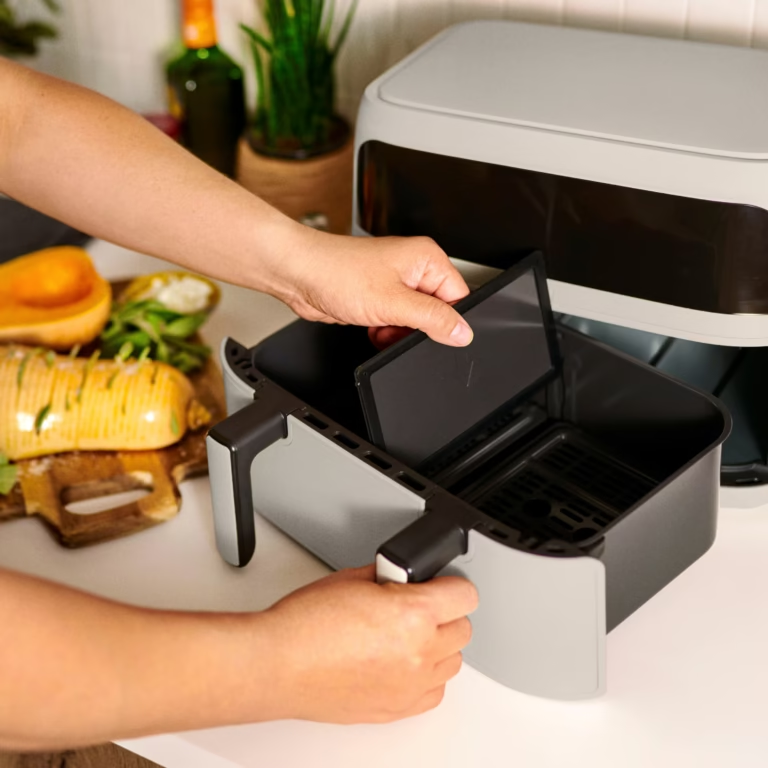
To safely transport a dual-basket air fryer, cool the unit completely. Unplug the power cord. Remove both baskets.
Wrap them in soft towels. Cushion the main housing inside a sturdy box. Secure the unit upright in your vehicle.
Why Moving a Dual-Basket Air Fryer Takes a Little More Thought
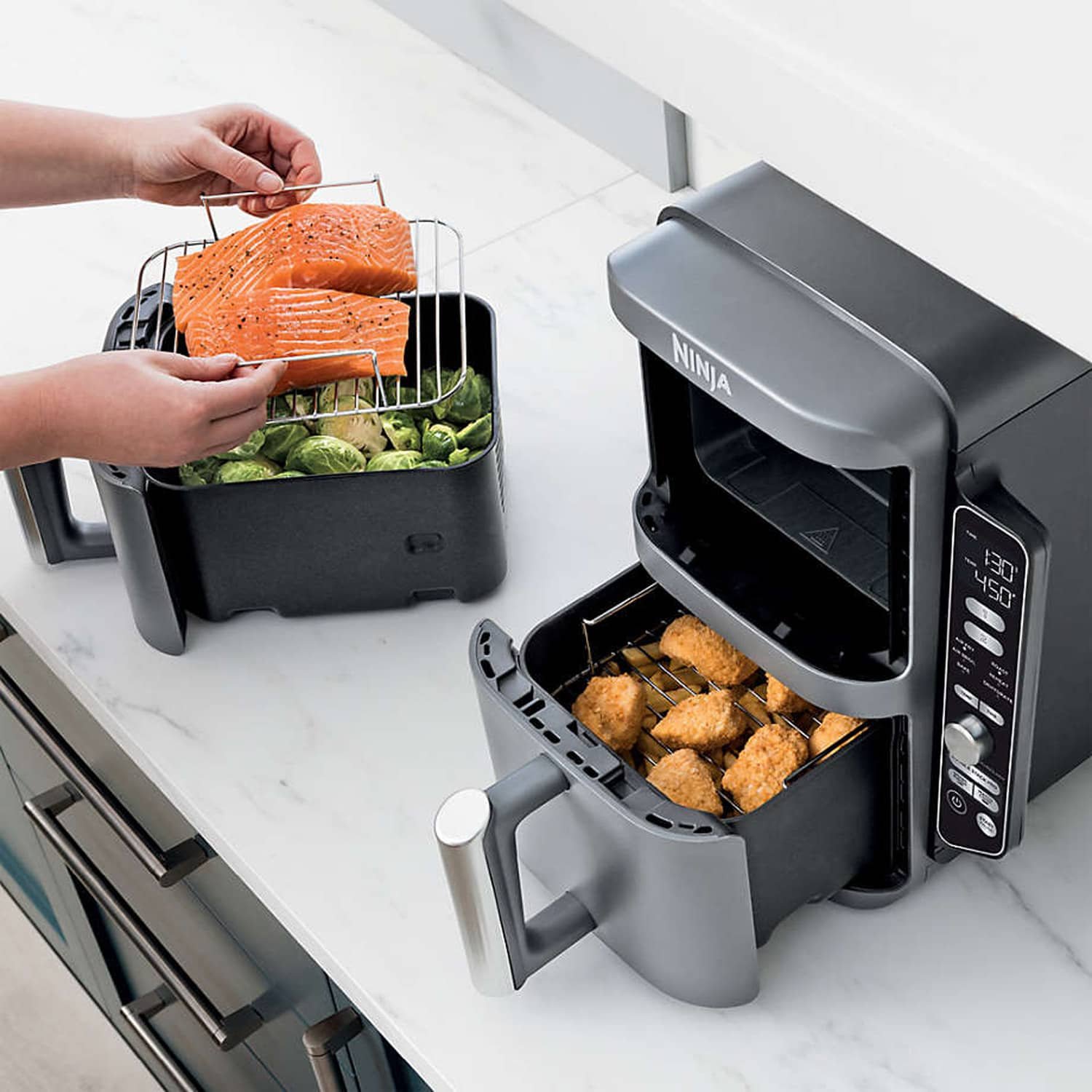
Transporting a dual-basket air fryer differs greatly from moving a standard pot or pan. These appliances combine heavy plastic housings with fragile digital touchscreens and precision heating elements. When you pack one for a holiday gathering, you face unique mechanical risks.
If the appliance shifts in your trunk, the independent cooking zones can crack or warp. Aggregate consumer reviews report that unsecured removable drawers often rattle against the interior walls. This friction strips the delicate non-stick coatings before you even reach your destination.
Taking extra time to prep the unit preserves its lifespan for future meals. Proper packing ensures your convection fan and internal sensors survive the drive intact. You will arrive at your destination with a fully functioning appliance ready for heavy holiday meal prep.
Anatomy of a Dual-Basket Air Fryer: What Makes Transporting It Tricky
Dual-basket air fryers feature complex designs that demand careful handling on the road. The exterior housing typically combines high-impact plastic with stainless steel panels. These materials withstand daily kitchen use, but they can crack under sudden impacts or heavy cargo shifts.
The digital control panel represents another major vulnerability. Glass or touch-sensitive plastic displays sit flush on the front face of the unit. Without proper cushioning, flying debris or shifting boxes can shatter the screen.
The protruding basket handles add awkward geometry to the appliance. Editorial analysis of transport failures shows that these handles frequently snap if used as anchor points. You must support the main base rather than lifting the unit by the handles alone.
Getting Your Air Fryer Road-Trip Ready: The Essential Cool-Down and Cleaning Phase
You must never pack an air fryer while it remains warm. Allow the appliance to cool down completely for at least 30 to 45 minutes after its last use. Trapping residual heat inside a moving box creates condensation and warping risks.
Cleaning the interior before departure prevents sticky grease leaks inside your vehicle. Empty all food crumbs from the crumb trays and wipe down the heating elements with a damp cloth. Per National Highway Traffic Safety Administration cargo safety principles, keeping loose items out of transport boxes prevents distracting messes.
Remove the crisper plates and wash them thoroughly. Ensure every component dries completely before you begin the packing process. Moisture left inside the sealed cooking chambers can promote mold growth during transit.
Step-by-Step Packing Guide: Securing Baskets, Dials, and Power Cords
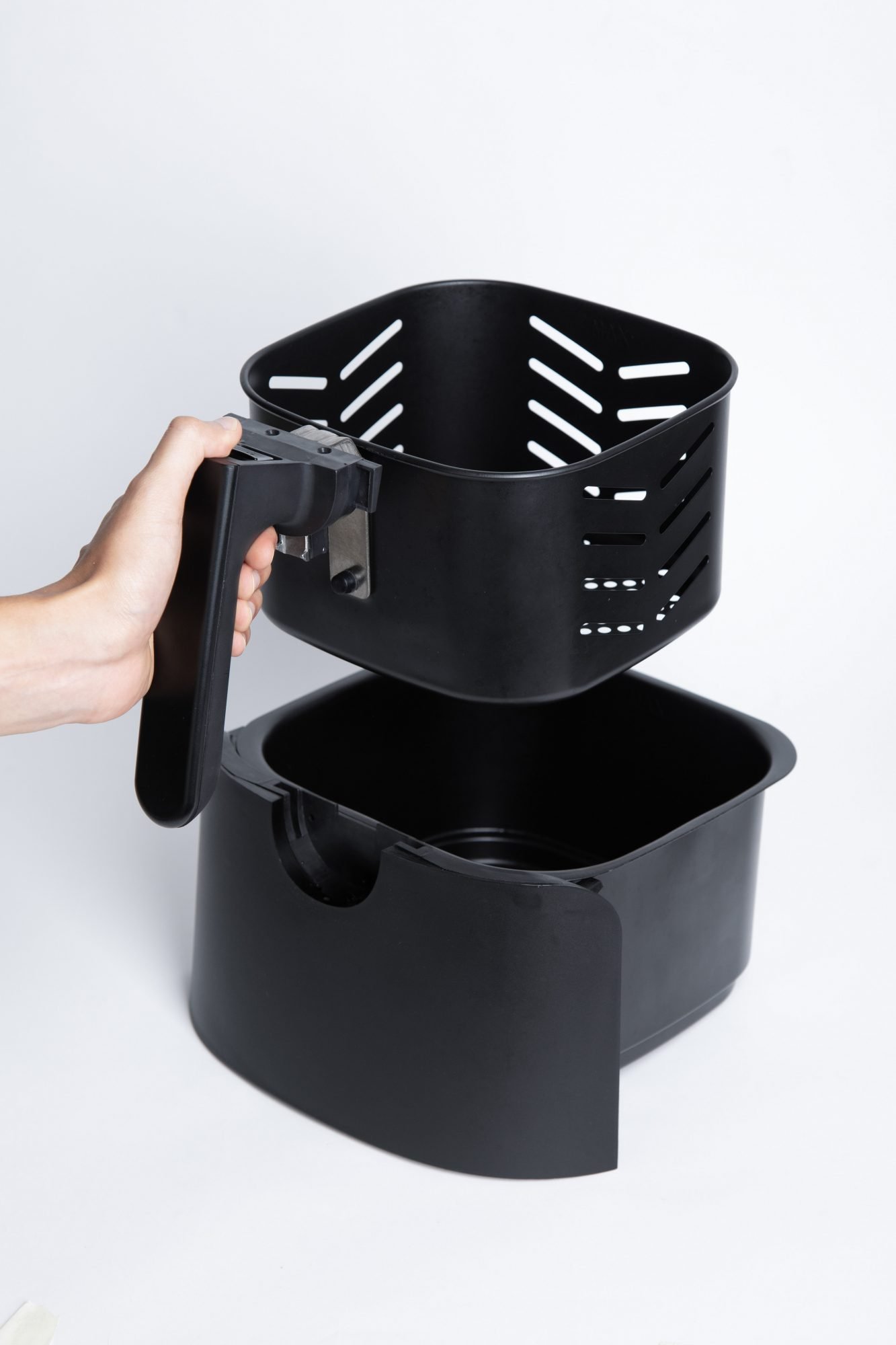
Start your packing routine by removing both independent cooking baskets from the main housing. Wrap each basket individually in a soft kitchen towel or bubble wrap to protect the non-stick interior. Editorial guidelines recommend storing the baskets outside the main unit if you have extra box space.
Manage the power cord by wrapping it neatly using a twist tie. Never let the plug dangle loose where it can scratch the exterior plastic or dent the digital display. Secure the cord directly against the back of the appliance housing.
| Component | Recommended Action | Protective Material |
|---|---|---|
| Removable Baskets | Take out and wrap separately | Kitchen towels or bubble wrap |
| Crisper Plates | Remove and cushion flat | Paper towels or cloth liners |
| Power Cord | Coil neatly and tie down | Twist tie or rubber band |
| Digital Display | Cover with a soft barrier | Microfiber cloth or foam sheet |
If you must leave the baskets inside the unit, insert folded dish towels between them. This trick stops the drawers from sliding and grinding against each other on bumpy roads. Tape the exterior doors shut with painter's tape to prevent accidental opening during the drive.
Transporting the Main Housing: Cushioning and Vehicle Placement
Place the wrapped air fryer inside a heavy-duty plastic storage tote or its original retail packaging. Surround the appliance base with old clothes or moving blankets to absorb road vibrations. According to NIST packaging standards, tight cushioning prevents shock transference during transit.
Position the packed tote flat on the floor of your vehicle footwell rather than the trunk. The footwell offers a restricted space that stops the box from sliding around during sharp turns. If you must use the trunk, wedge the box tightly between heavier luggage items.
Never stack other heavy boxes on top of your air fryer. Excess vertical weight can crush the upper housing and misalign the internal heating chambers. Keep the appliance upright for the entire journey to protect internal electrical connections.
The Packing Method Showdown: Original Box vs Heavy-Duty Tote vs Moving Blanket
Choosing the right container prevents costly damage during transit. The original retail box provides the best custom-molded protection because the manufacturer designed it with exact foam inserts. Aggregate user reviews confirm that keeping that cardboard box in your garage pays off every holiday season.
If you discarded the original box, a heavy-duty plastic storage tote makes a reliable substitute. Select a tote with rigid walls and snap-on latches to keep dust and moisture out. Line the bottom with a folded towel to absorb road shocks.
Moving blankets offer a flexible alternative when you wrap the entire appliance tightly. Secure the blanket with bungee cords or packing tape so it cannot unwrap on the road. Avoid this method if you lack a secure footwell space because blankets offer zero crush resistance against heavy luggage.
Common Packing Mistakes That Damage Non-Stick Coatings and Touchscreens
Packing mistakes ruin thousands of dollars in kitchen gear every holiday travel season. Leaving the removable baskets unpadded inside the main housing causes the interior walls to scratch. These deep scratches ruin the non-stick coating and cause food to stick during future cooking cycles.
Failing to secure the digital touchscreen creates another frequent point of failure. Pressing heavy items against the front control panel cracks the delicate glass display. Always tape a piece of cardboard or bubble wrap directly over the buttons.
Leaving the power cord untied lets the heavy metal plug swing freely like a hammer. Verified buyer feedback reports that swinging plugs dent exterior stainless steel housing panels. Coil the cord tightly and tape it down before you load the vehicle.
Road Safety Rules: Securing Heavy Kitchen Gear in Your Vehicle
Heavy appliances become dangerous projectiles during sudden highway stops or accidents. Per National Highway Traffic Safety Administration cargo safety principles, you must lock every heavy item into place. A loose 15-pound air fryer flying through the cabin causes severe injuries.
Never place your packed appliance on an elevated seat where it can topple over. Keep the box resting flat on the floorboards or wedged tightly between heavy suitcases. This low center of gravity keeps the container stable during sharp turns.
Check that the vehicle heater vents do not blow hot air directly onto your packed tote. Excessive cabin heat can warp plastic outer housings before you even arrive. Keep the appliance shaded and secure for the entire trip.
Setting Up Your Air Fryer at Your Holiday Destination
Unpacking your air fryer with care prevents setup accidents in a strange kitchen. Let the appliance sit at room temperature for an hour if you traveled through freezing weather. This delay prevents thermal shock from cracking internal ceramic heating elements.
Inspect every component for transit damage before you plug the unit into a wall outlet. Check the power cord for fraying and ensure no packing material remains trapped inside the cooking baskets. Set the appliance on a flat, heat-resistant countertop with at least five inches of clearance on all sides.
Plug the power cord directly into a grounded wall outlet instead of an old extension cord. Air fryers draw significant electrical current and require dedicated circuit capacity. Run a quick test cycle at a low temperature to ensure the convection fan operates smoothly.
FAQs on Traveling with Countertop Kitchen Appliances
Can I leave food inside the air fryer baskets during transit?
Never leave food inside the baskets while traveling. Per USDA food safety guidelines, transporting perishable food at uncontrolled car temperatures promotes rapid bacterial growth. Empty and clean the baskets completely before you pack them.
Do I need to remove the crisper plates before moving the unit?
Remove the crisper plates to protect the non-stick interior coating. Loose plates slide around on bumpy roads and gouge the bottom of the baskets. Wrap the plates in paper towels and pack them flat inside a separate bag.
How do I protect the digital display panel from scratches?
Tape a folded microfiber cloth or a sheet of bubble wrap over the glass interface. This simple barrier absorbs impact from shifting cords or adjacent items. Avoid using heavy packing tape directly on the plastic screen because it leaves sticky residue.
Is it safe to pack an air fryer in the trunk of a car?
Packing the unit in a trunk works fine if you cushion the box with moving blankets. Wedge the container tightly between heavy luggage to stop it from sliding around. Footwell placement remains safer if you have extra passenger space available.
How long should the appliance cool down before packing?
Allow the air fryer to cool down for at least 30 to 45 minutes after its last use. Trapping residual heat inside a sealed storage box creates condensation and warps plastic components. Check that the heating elements feel completely cold to the touch.