
Do You Need a Cherry Pitter? What to Know Before Buying
Do You Need a Cherry Pitter? The honest answer depends on how many cherries you actually prep. If you eat a small handful now and then, your hands or a knife may be enough.
If you bake pies, freeze fruit, or serve kids lots of cherries, the tool starts to make sense.
As of 2026, basic handheld cherry pitters usually cost about $8 to $15. Manufacturer specs show most handheld models fit sweet cherries about 18 to 28 mm wide. They work less well on very soft, frozen, or bruised fruit.
That price gap makes the choice pretty quick.
Do You Need a Cherry Pitter? What to Know Before Buying
Quick Answer
Do You Need a Cherry Pitter? Most casual eaters can skip one. Buy one for frequent baking, freezing, or canning.
A basic handheld model usually costs about $10. It saves time and sticky hands during larger fruit batches each week.
The Real Question: Do You Pit Cherries Often Enough to Justify the Tool?
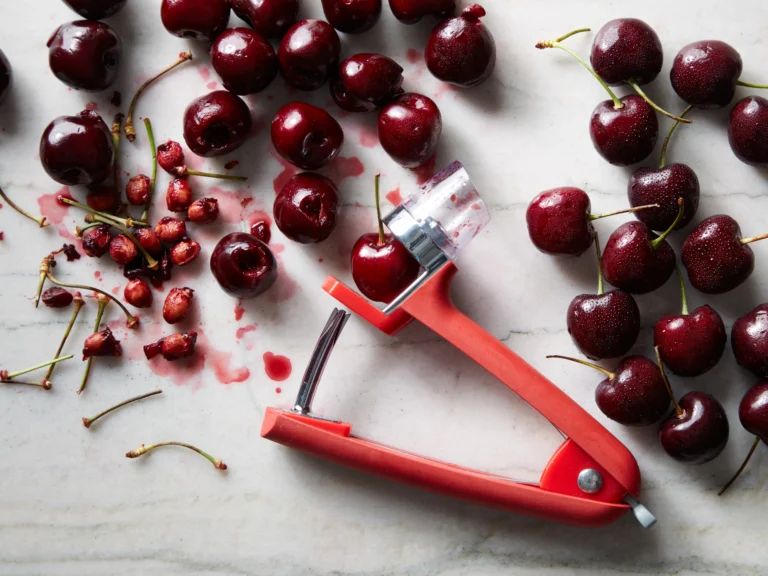
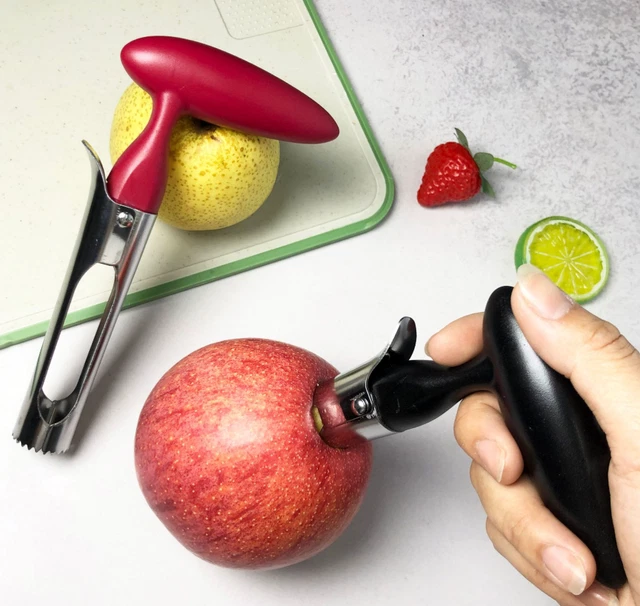
A cherry pitter pushes a pit out of a cherry. It keeps most of the fruit whole. Some people call it a cherry stoner or cherry corer.
The name matters less than the job. The tool only earns space if cherry prep happens often enough.

Image source: Bing (Web (fair-use with source credit))
If you pit a few cherries for oatmeal or a salad, a paring knife may be just as fast. If you process bowls of fruit for pie, jam, or freezer packs, a pitter can save real time. It also reduces sticky fingers and stray pits.
That makes it useful for family snacks and baking days. The decision is not about whether cherry pitters work. They do.
The decision is whether your habits justify another tool. Small kitchens punish low-use gadgets. Drawers fill fast.
A cheap pitter can still become clutter if it appears once a year.
The Main Conditions That Decide Whether a Cherry Pitter Is Worth It
Batch Size, Recipe Type, Storage Space, and Hand Comfort
A cherry pitter becomes useful when one or more conditions point the same way. Batch size is the biggest one. Recipe type is next.
Storage and hand comfort can tip a close call.
| Situation | Likely call | Reason |
|---|---|---|
| A few cherries each week | Skip it | A knife or skewer is fast enough |
| Pies, crisps, or jam several times a season | Consider one | Whole fruit and cleaner prep matter |
| More than 5 pounds per season | Buy one | Speed and consistency add up |
| Limited hand strength | Choose ergonomic | A good grip reduces effort |
If your use is mostly fresh snacking, you may never need one. If you preserve cherries or bake with them often, the tool starts to pay for itself. A hopper model makes sense for large batches.
A handheld model makes sense for moderate batches and tight drawers.
Very soft cherries can crush during pitting. Frozen cherries need partial thawing first. Small sour cherries and large sweet cherries fit tools differently.
Manufacturer specs often list a cherry size range. Brands such as OXO, Leifheit, Norpro, and Westmark make handheld and hopper styles. Check that range before buying.
Decision Branches: When a Cherry Pitter Makes Sense
For Baking, Canning, Freezing, Family Snacking, and Occasional Use
The best answer changes with the job. Here are the common branches.
- If you bake cherry pies or galettes, buy a pitter. Whole pitted fruit gives a cleaner filling. It also lowers the chance of a stray pit in a slice.
- If you can cherries, buy one and follow safe guidance. Use tested directions from the USDA National Center for Home Food Preservation. Pit removal before canning is easier than dealing with pits later.
- If you freeze cherries, a pitter helps. Pitted cherries freeze in flat bags and thaw into easy toppings. You can portion them without wasting fruit.
- If you serve kids or older adults, a pitter adds convenience. It reduces choking worry from whole pits. You still should check for fragments.
- If you eat cherries a few times a month, skip it. A knife twist or straw can handle small amounts.
Aggregate reviews report that hand fatigue becomes the main complaint during large batches. That is especially true with firm sweet cherries. A lever or hopper pitter reduces repeated squeezing.
A handheld plunger model can still tire the hand after several pounds.
For occasional use, the math is simple. If the tool saves five minutes once a year, it may not deserve drawer space. If it saves five minutes every week in season, it probably does.
Practical Alternatives If You Don’t Want Another Kitchen Gadget
:max_bytes(150000):strip_icc()/PitCherries3-Chopstick-593779f23df78c537be9f349.jpg)
Image source: Bing (Web (fair-use with source credit))
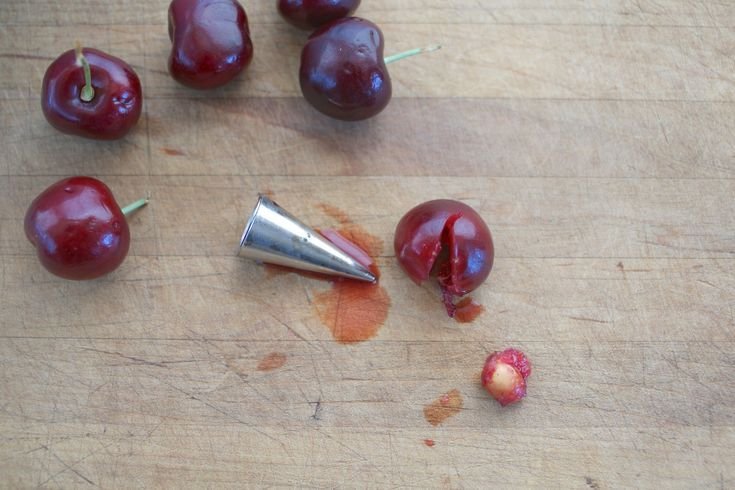
You do not need a cherry pitter to pit cherries. Several low-cost methods work well for small bowls. The tradeoff is speed, neatness, and consistency.
:max_bytes(150000):strip_icc()/PitCherries3-Chopstick-593779f23df78c537be9f349.jpg)
Image source: Bing (Web (fair-use with source credit))
- Paring knife method: Cut around the pit and twist. This works well for a handful of firm cherries. It takes more care and creates more hand contact with juice.
- Chopstick or skewer method: Push the pit out through the stem end. This keeps the fruit fairly whole. It is slower than a pitter but uses a tool you may already own.
- Straw method: Press a sturdy straw through the cherry. This can work for soft fruit. It may crush very ripe cherries.
- Cook and strain method: Simmer cherries, then pass them through a sieve or food mill. This suits jam or sauce. It does not give whole pitted cherries.
- Frozen pitted cherries: Buy them if prep is the barrier. They often cost more per pound than fresh fruit. They save labor and storage prep.
If you dislike gadgets, these methods can replace a purchase. If you care about whole fruit for pies or garnishes, the chopstick method is the closest substitute. For large batches, though, the manual methods slow down fast.
That is where a dedicated cherry and olive pitter earns its place.
Handheld vs Hopper vs No Pitter: Choosing the Right Route
The right route depends on volume and storage. A handheld pitter suits small to medium batches. A hopper pitter suits large preserving days.
No pitter suits casual eating.
| Route | Best for | Tradeoff |
|---|---|---|
| Handheld cherry pitter | Weekly snacks, small pies, tight drawers | Slower for many pounds |
| Hopper or lever pitter | Canning, freezing, large harvests | Takes more storage space |
| Knife or skewer | A few cherries at a time | More juice contact and slower |
If you make one pie a year, skip the tool. If you buy a flat from a farmers market, choose a hopper. If you want a low-cost middle ground, choose a handheld.
Aggregate buyer feedback suggests ergonomic handheld models reduce strain better than slim all-metal versions. For arthritis or weak grip, look for a soft grip and a smooth lever action. Brands like OXO Good Grips and Norpro often focus on grip comfort.
Leifheit and Westmark make hopper or press styles for faster batch work.
How a Cherry Pitter Actually Improves Cherry Prep
A cherry pitter improves prep by keeping the fruit whole while removing the pit. That matters for pies, tarts, and garnishes. A knife can open the cherry more than needed.
A pitter leaves a cleaner shape.
It also speeds repeated prep. Once you set up a bowl and a trash bin for pits, the motion becomes rhythmic. For several cups of fruit, that rhythm saves time.
It also keeps your hands less sticky.
The tool helps with consistency. Uniform pitted cherries cook evenly in compote and jam. They freeze more evenly on a tray.
They also make serving safer for kids and older adults.
That said, a pitter does not fix poor fruit quality. Overripe cherries may collapse. Underripe cherries may resist.
Very large sweet cherries may not fit small plungers. Very small sour cherries may slip.
Common Cherry Pitter Mistakes That Make It Feel Like Clutter
Most cherry pitter frustration comes from mismatch. The tool is not bad. The use case is wrong.
Common mistakes include:
- Buying a pitter for once-a-year use, then resenting the drawer space.
- Using it on soft, warm, or bruised cherries and crushing the fruit.
- Trying to pit frozen cherries straight from the bag. Partial thawing helps.
- Overfilling the pit reservoir and jamming the mechanism.
- Skipping a quick rinse right after use, so juice dries in the hinge.
- Choosing a cheap model with weak springs for large batches.
- Expecting every pit to vanish without checking the fruit.
- Ignoring cherry size. Large sweet cherries need a wider fit.
If you avoid these, the tool feels useful. If you repeat them, it feels like junk.
What a Good Cherry Pitter Costs and What You Get for the Money
A good handheld cherry pitter usually costs about $8 to $15 as of 2026. Hopper models often cost $15 to $35. Heavy-duty or vintage-style units can cost $40 to $100 or more.
| Type | Typical price | What you get |
|---|---|---|
| Basic handheld | $8 to $15 | Compact storage, simple pitting |
| Ergonomic handheld | $12 to $25 | Better grip, less hand fatigue |
| Hopper or lever | $15 to $35 | Faster batch pitting |
| Premium or light commercial | $40 to $100+ | Sturdier build, higher throughput |
Do not buy premium for occasional snacking. A basic model may be enough. Do not buy the cheapest unknown tool for canning season.
Aggregate reviews report weak springs and poor alignment are common in very low-cost units.
For most home cooks, the sweet spot is a midrange handheld with stainless steel parts and a comfortable grip. If you process orchard harvests, spend more on a stable hopper unit.
Safety Notes: Pit Fragments, Choking Risk, and Cleaning
Cherry pits can be a choking hazard, especially for young children and older adults. A pitter reduces the risk, but it does not replace inspection. Check pitted cherries before serving.
Look for broken pit pieces.
Cherry pits also contain amygdalin, a compound that can release cyanide when crushed or chewed. Occasional accidental swallowing of a whole pit is usually not the main concern. The bigger issue is repeated chewing or crushing of many pits.
Keep pits out of smoothies and sauces.
For home canning, follow tested guidance. The USDA National Center for Home Food Preservation provides research-based directions for fruit preservation. For food contact materials, the [U.S.
Food and Drug Administration](https://www.fda.gov) sets federal safety frameworks. Choose tools made from food-grade stainless steel or BPA-free plastics.
Clean the pitter after each use. Juice is sugary and sticky. Dried juice can trap moisture and encourage rust on metal parts.
How to Keep a Cherry Pitter Clean and Rust-Free
Cleaning takes only a minute if you do it right away. Wait too long and cherry juice hardens in the crevices.
Use this simple routine:
- Empty the pit reservoir before it overflows.
- Rinse the tool under warm water immediately after pitting.
- Use a small brush to clear the hinge, spring, and plunger area.
- Wash with warm soapy water if the tool is not dishwasher safe.
- Dry it fully before putting it away.
Check manufacturer instructions before using a dishwasher. Some plastic parts may be top-rack safe. Some metal springs may rust.
If you see rust, stop using the tool on food. Replace it if the corrosion is near moving parts.
Store the pitter dry and loosely closed. Do not trap it in a damp drawer. If it has a spring, avoid bending it out of shape.
Quick Decision Guide: Buy It, Skip It, or Try a Method First
Use this quick guide before you buy.
- Buy a cherry pitter if you bake cherry desserts more than a few times a season.
- Buy one if you freeze, can, or jam cherries in batches larger than 2 to 3 cups.
- Buy one if you serve cherries to children often and want easier pit removal.
- Skip it if you eat only a few cherries at a time and do not mind using a knife.
- Skip it if your kitchen has little storage and the tool would rarely appear.
- Try a chopstick or skewer first if you are unsure. It costs nothing and shows how much you dislike pitting.
The best choice is not about whether the gadget is clever. It is about your actual cherry habits. If the fruit shows up often, the pitter earns its place.
If it does not, your knife drawer already has the answer.
Frequently Asked Questions
Do you need a cherry pitter for fresh cherries?
Do You Need a Cherry Pitter for fresh cherries? Not always. If you eat a few fresh cherries at a time, a knife or skewer works fine.
If you prep bowls for baking, freezing, or kids, a cherry pitter saves time and keeps the fruit neater.
Can you use an olive pitter for cherries?
You can use an olive pitter for cherries if the size fits. Many cherry and olive pitters handle both foods. Large sweet cherries may not fit small olive pitters.
Check the tool size range. The goal is a clean pit push without crushing the fruit.
What is the easiest way to pit cherries without a pitter?
The easiest no-tool method is the chopstick or skewer push. Hold the cherry over a bowl. Push the pit out through the stem end.
This keeps the fruit fairly whole. It is slower than a pitter, but it works well for small batches.
Are cherry pits dangerous if swallowed?
A whole cherry pit swallowed by accident is usually not the main worry. The concern is chewing or crushing pits, because cherry pits contain amygdalin. Keep pits away from children and pets.
If you pit cherries often, a pitter helps reduce accidental pit contact.
Is a cherry pitter worth it for baking?
A cherry pitter is often worth it for baking. Pies, crisps, and galettes need pitted fruit. A pitter gives whole pieces and reduces pit surprises.
If you bake cherry desserts several times a year, the tool pays for itself in convenience.
How do you keep a cherry pitter from rusting?
Rinse it right after use. Dry it fully before storage. Do not leave cherry juice on metal parts.
Check whether the model is dishwasher safe. If rust appears near the spring or plunger, replace the tool rather than using it on food.
Seasonal Cherry Availability and Pricing
Fresh cherries are easiest to justify pitting during peak season. In many US markets, domestic sweet cherries run from late spring through summer. Sour cherries often appear for a shorter window, especially in Michigan, Wisconsin, and New York.
If you see good prices at farmers markets or U-pick orchards, a pitter becomes more useful. Off-season fresh cherries often come from Chile or other import sources. They can cost more, so many cooks switch to frozen pitted cherries instead.
How to Choose Cherries That Pit Cleanly
Firm, fresh cherries pit better than soft ones. Look for glossy skin, green stems, and no leaks at the stem scar. Bruised fruit collapses when the plunger pushes through.
Size matters too. Very large sweet cherries may need a wider pitter opening. Very small sour cherries can slip in some handheld tools.
If you buy mixed sizes, sort the largest fruit first and adjust your grip.
Troubleshooting Soft, Frozen, or Oversized Cherries
Soft cherries need a lighter touch. Chill them for 20 to 30 minutes before pitting. Cold fruit holds its shape better.
Frozen cherries should thaw just enough to separate. If they are rock hard, the pit may not eject cleanly. If they are fully warm, they may turn mushy.
Oversized cherries may need a slight knife slit first. That keeps the skin from splitting.
Storage and Freezing Tips for Pitted Cherries
Pitted cherries keep in the fridge for about 3 to 5 days. Store them in a shallow sealed container. A deep bowl crushes the fruit at the bottom.
For freezing, spread pitted cherries on a tray first. Freeze until firm, then transfer to a freezer bag. This prevents one solid block.
Label bags with the date and use within 8 to 12 months for best flavor.
When Pre-Pitted Cherries Are the Smarter Buy
Pre-pitted cherries make sense when labor is the real cost. Frozen pitted cherries often cost about $4 to $10 per pound. They save prep time and drawer space.
If you only need cherries for smoothies, sauce, or quick baking, pre-pitted fruit can be the better buy. If you want whole fruit for tart tops or garnishes, fresh pitting still gives a cleaner look. Choose based on texture, not just price.
US and UK Cherry Season Timing
Peak US sweet cherries usually arrive late spring through summer. UK orchards often peak a bit later, so local pricing can shift by region.
Small Kitchen Storage Reality
If a pitter cannot fit in a shallow drawer, it may not be worth owning. A slim handheld model stores better than a hopper unit.
Grip Strength and Accessibility
Ergonomic handles help if hand fatigue is a problem. A lever or hopper pitter can be easier than repeated squeezing.
Gift and Occasional Use Risk
A cherry pitter can be a fun gift for bakers. It becomes clutter for someone who rarely buys fresh cherries.
Final Practical Call
Buy one for regular pie, jam, or freezer prep. Skip it for occasional snacking and try a skewer first.