Cherry Juice Stains Hands? How to Remove Them Fast
Cherry Juice Stains Hands fast because cherry pigments bind to the outer skin layer while the juice is still wet. If you have just pitted a bowl of cherries, your fingers may look blue, purple, or brown. The good news is that most stains are temporary and sit on the surface.
The right first step matters more than scrubbing hard.
Cherry pigments called anthocyanins are water soluble and pH sensitive, so fresh splashes often rinse out much easier than dried residue. Skin surface pH is usually around 4.7 to 5.5, and harsh cleaners can upset that balance. Start with the stain type, then choose the gentlest method that fits your skin.
Cherry Juice Stains Hands? How to Remove Them Fast
Quick Answer
Cherry Juice Stains Hands because anthocyanin pigments bind to skin. Fresh stains usually respond to cool water and soap. Dried stains may need oil, then gentle washing.
Cuticle stains respond best with a nail brush. Stop if skin stings or turns red.

Image source: Bing (Web (fair-use with source credit))
Why Cherry Juice Stains Hands So Quickly
Cherry juice stains because it contains anthocyanins. These are the pigments that make cherries red, purple, and black. They are water soluble when fresh.
That means early rinsing works well.
Once the juice dries, the stain becomes harder to lift. Sugars form a thin film. Polyphenols and tannins can bind to skin proteins.
The outer skin layer, called the stratum corneum, traps pigment in tiny creases.
Sweet cherries often contain cyanidin-3-glucoside and cyanidin-3-rutinoside. These compounds create deep red and purple colors. Tart cherries and concentrates can leave even heavier residue.
Cuticles and nails are worse. Keratin can hold pigment. Skin under the nail is protected from rinsing.
That's why a nail brush often matters more than a stronger cleaner.
The U.S. Department of Agriculture tracks fruit composition data, and darker cherry types usually carry more pigment. Tart cherry concentrate can stain more than diluted juice.
As of 2026, harvest season and pie baking still drive most stain complaints.
Quick Triage: Fresh, Dried, or Under-the-Nail Stain
Use this before you grab lemon juice or baking soda. The wrong branch can irritate skin. The right branch saves time.
Your skin condition matters as much as the stain age. Dry hands need a slower route. Normal skin can handle a brief acid rinse.
| Stain condition | What it looks like | Best first move |
|---|---|---|
| Fresh juice on normal skin | Wet red, purple, or blue marks | Cool water rinse, then soap |
| Dried or set-in stain | Brown, gray, or dull purple patches | Oil massage, then wash |
| Cuticle or under-nail stain | Dark lines around nails | Nail brush after soap wash |
| Sensitive or cracked skin | Redness, stinging, dry patches | Skip acids, use oil and mild soap |
- If the stain is still wet, rinse now. Speed beats strength.
- If the stain is dry, soften it first. Oil works better than hard scrubbing.
- If the skin is broken, treat the skin first. Avoid lemon juice, vinegar, and baking soda.
- If the stain is only under the nails, focus on a brush. Pigment hides there.
First 5 Minutes: What to Do Immediately After Handling Cherries
Act fast. Fresh cherry juice has not bonded strongly yet. Your goal is to remove pigment before it dries.
Do not scrub raw.
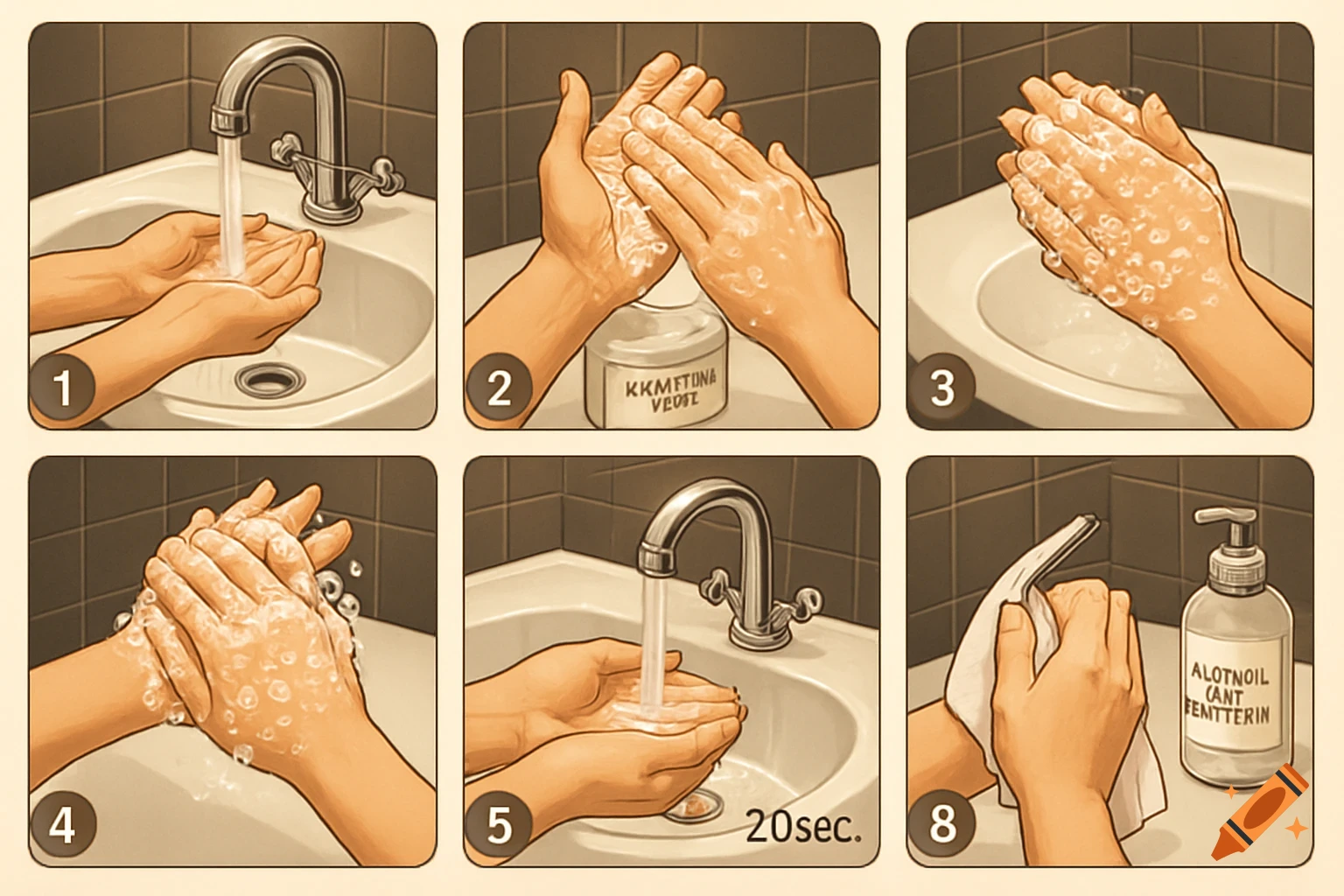
Image source: Bing (Web (fair-use with source credit))
Rinse under cool running water. Cool water helps avoid setting the stain. Hot water can soften skin and make scrubbing harsher.
Blot with a clean cloth. Do not rub hard. Rubbing can push pigment into skin creases.
Wash with liquid hand soap or dish soap. Lather for 20 seconds. The CDC recommends this baseline for effective handwashing.
Check the palms, finger pads, and cuticles. Pigment collects in creases first. If color remains, repeat one gentle wash.
Pat dry and moisturize if skin feels tight. A light oil or lotion helps protect the barrier.
Do not use bleach or strong cleaners. They are not needed for fruit pigment. They can injure skin.
Keep a damp towel nearby when pitting cherries. Wipe splashes before they dry. That one habit prevents most stubborn stains.
If the stain is still visible after two washes, stop. Move to the decision branches below. More washing at this point mostly increases irritation.
Decision Branches Based on Stain Age and Skin Condition
Fresh Stain on Normal Skin
If the stain happened in the last few minutes, use the simple route.
- Rinse with cool water.
- Wash with dish soap or hand soap.
- Use a soft washcloth if needed.
- Repeat once if pigment remains.
- Moisturize after drying.
If the stain fades but leaves a faint shadow, leave it alone. It will likely fade within a day or two. Normal skin turnover removes surface pigment.
If you are preparing a large batch, rinse between tasks. Waiting until the end gives the stain time to set.
Dried or Set-In Stain on Normal Skin
If the juice dried, do not start with acid. Start with softening.
- Massage a few drops of olive oil, coconut oil, or mineral oil into the stain.
- Wait 2 to 5 minutes.
- Wipe with a warm washcloth.
- Wash with soap and water.
- Use gentle exfoliation only if skin feels rough.
If the stain is still dark after one cycle, try an acid rinse next. Keep it brief. Acid can help shift pigment, but it can also sting.
If oil alone does not move the stain, add a warm washcloth. Hold it on the area for 1 minute. Then wash again with soap.
Sensitive, Dry, or Cracked Skin
If your hands are already irritated, choose the safest branch.
- Skip lemon juice and vinegar.
- Skip baking soda and pumice.
- Use oil to loosen dried juice.
- Wash with a mild, fragrance-free cleanser.
- Moisturize right away.
If the skin stings during any step, rinse and stop. Redness that lasts more than a few hours is a sign to back off. For ongoing skin problems, follow guidance from a dermatology professional.
Fragrance-free products reduce the chance of added irritation. Patch test any new cleaner on a small area first.
Stains Around Cuticles and Under Fingernails
If the stain sits near nails, a broad hand wash will not fix it alone.
- Wash hands with soap first.
- Use a nail brush or soft toothbrush.
- Brush gently around each cuticle.
- Clean under the nail edge.
- Rinse and oil the cuticles.
If pigment remains under the nail, do not dig with sharp tools. That can cause cuts and infection. A cotton swab with a little oil can help lift residue without scraping.
A drop of oil after brushing helps prevent dryness. Do not push cuticles back hard.
Household Methods That Actually Help
Most cherry stains do not need specialty products. In our research, the best household options are still simple, cheap, and easy to control. Use the mildest method that shows progress.
Stop when the skin feels sore, not when the stain is perfect.
| Method | Best for | Main caution |
|---|---|---|
| Soap and cool water | Fresh stains | Safest, but limited on dried stains |
| Lemon juice or white vinegar | Persistent pigment on normal skin | Avoid cuts and sensitive skin |
| Baking soda paste | Surface stains on rough skin | Keep contact under 2 minutes |
| Olive oil or coconut oil | Dried stains, sensitive skin | Slower, but gentler |
| 3 percent hydrogen peroxide | Small stubborn spots | Brief use only, rinse well |
Soap and Cool Water
This is your default. It works best on fresh juice. Dish soap can cut sticky sugar residue better than some hand soaps.
Use cool or lukewarm water.
Hot water can make skin more prone to irritation. Liquid dish soap is useful because it was designed to lift food residues. It can be drying, so moisturize after.
Use this method first because it carries the lowest risk. If two washes do not lift the stain, switch methods. Do not keep washing until the skin feels raw.
Acid Rinse: Lemon Juice or White Vinegar
An acid rinse can help when pigment remains after washing. Lemon juice and white vinegar are both acidic. Their pH is low enough to help shift surface pigment.
Use them only on intact skin.
- Wet the stained area.
- Apply a small amount of lemon juice or white vinegar.
- Rub gently for 30 to 60 seconds.
- Rinse thoroughly with cool water.
- Moisturize after.
Do not use this branch on cracks, cuts, or eczema. Rinse before going into strong sunlight. Lemon juice can increase skin sensitivity.
Vinegar often smells strong but gives you more control. Dilute with equal water if you want a milder rinse.
Baking Soda Paste and Gentle Exfoliation
Baking soda can help with dried surface residue. It is mildly abrasive. It also has a high pH, so keep contact short.
- Mix baking soda with enough water to form a thick paste.
- Massage gently for 30 seconds.
- Leave it on for no more than 1 to 2 minutes.
- Rinse well.
- Follow with lotion or oil.
Skip this if your skin is sensitive. Do not use a pumice stone on thin skin around the fingers. Mechanical scrubbing can cause more problems than the stain itself.
Do not combine baking soda with acid and expect better results. The fizz may look useful, but it can waste time.
Oil-Based Softening for Stubborn Stains
Oil is the best gentle option for dried cherry juice. It helps loosen the sticky film and pigment. It is also useful for sensitive hands.
- Apply olive oil, coconut oil, or mineral oil.
- Massage into stained skin for 1 minute.
- Wipe with a warm cloth.
- Wash with mild soap.
- Repeat once if needed.
This method may not remove all pigment in one round. It is safer than harsh scrubbing. For very dry hands, leave a thin layer of oil on afterward.
Aggregate user reviews often say oil works slower but feels better on dry hands. Petroleum jelly can also work as a barrier before cherry prep. It is messy, but it helps prevent staining.
Hydrogen Peroxide or Rubbing Alcohol Spot Treatment
Use this only for small, stubborn spots. Use only 3 percent hydrogen peroxide. Do not soak the hands.
Do not use bleach.
- Dab a cotton swab or pad lightly.
- Apply only to the stained spot.
- Wait no more than 30 to 60 seconds.
- Rinse very well.
- Moisturize after.
Avoid this method on broken skin. Hydrogen peroxide can cause temporary whitening. Rubbing alcohol can dry the skin quickly.
If you feel burning, rinse immediately.
Do not mix hydrogen peroxide and vinegar in the same container. Use one method, rinse, then reassess. If bleach touches skin by accident, rinse well and contact poison control.
Methods to Skip or Use With Caution
Skip household bleach on skin. Bleach can cause chemical burns and severe dryness. It is not needed for cherry pigment.
Avoid strong acid soaks. Lemon juice and vinegar can help briefly, but soaking fingers increases stinging. If you have cuts, skip acids entirely.
Use pumice and rough gloves only on thick, healthy skin. The fingers and cuticles have thin skin. Aggressive scrubbing can create redness and small tears.
Do not mix cleaners. Hydrogen peroxide and vinegar should not sit in the same container. Bleach should never mix with acids or ammonia.
| Method to avoid | Main risk | Safer move |
|---|---|---|
| Bleach on hands | Burns and irritation | Use soap, oil, or mild acid rinse |
| Long acid soak | Stinging and dryness | Limit contact to under 1 minute |
| Hard pumice scrub | Raw skin and redness | Use a soft brush or cloth |
| Mixed chemicals | Unsafe reaction | Use one method, rinse, reassess |
If a method smells harsh or feels hot, rinse it off. Your skin should feel clean, not raw. A faint stain is safer than an irritated one.
Mistakes That Make Cherry Hand Stains Worse
Waiting is the biggest mistake. Fresh juice rinses easily. Dried juice binds to skin, and sugar residue traps pigment.
Hot water can make the problem worse. It softens skin and encourages harder scrubbing. Cool or lukewarm water gives better control.
Do not scrub until the skin turns pink. That redness can last longer than the stain. It also makes the next cleaning attempt more painful.
Avoid jumping between methods too fast. If you try lemon, baking soda, and alcohol in one session, you may not know what irritated your skin.
Do not forget the nails. Pigment hides under the nail edge and around cuticles. A broad hand wash can leave those spots dark.
Skipping moisturizer is another common error. Cleaning removes oils from the skin. Dry skin holds pigment in rough patches.
If the stain is only faint, stop for the day. Skin renews itself. Gentle repetition beats one harsh session.
Preventing Stained Hands During Cherry Prep
Prevention is easier than removal. Wear disposable nitrile gloves if you are pitting a large batch. They fit well and keep juice off the skin.
If gloves feel awkward, use a thin barrier. Olive oil, coconut oil, or petroleum jelly can reduce direct contact. Reapply if your hands get wet.
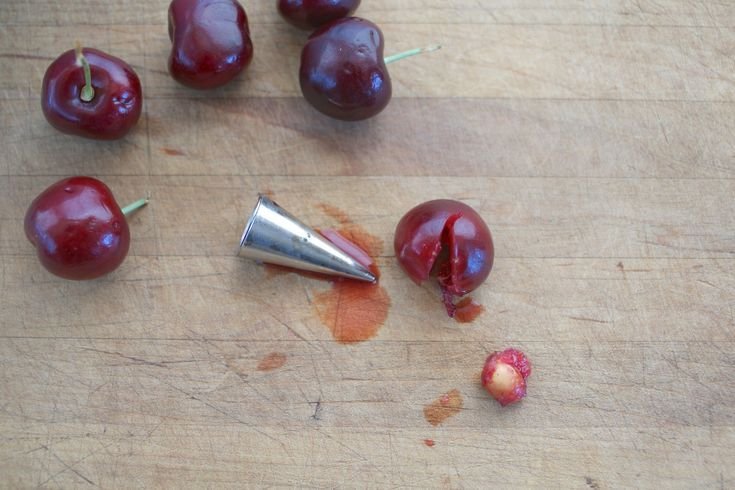
Use a cherry pitter instead of cutting by hand. This reduces splatter and juice contact. A bowl of water nearby helps you rinse fingers quickly.
Wipe spills right away. A damp towel works better than a dry paper towel. Dry wiping can smear pigment into skin creases.
For holiday baking, set up a small rinse station. Keep cool water, mild soap, and a nail brush close by. Clean hands between tasks, not just at the end.
If you are canning or making jam, protect your hands before you start. Long prep time increases stain depth. Short rinses during prep keep pigment from setting.
| Prevention method | Best for | Limitation |
|---|---|---|
| Nitrile gloves | Large batches and canning | Less tactile feel |
| Oil or petroleum jelly | Sensitive skin | Can feel greasy |
| Cherry pitter | Pie prep | Still causes some splatter |
| Damp towel nearby | Quick cleanup | Must be used immediately |
What to Expect: Timelines for Fading and Removal
Fresh stains can improve within minutes. If you rinse right away, soap and water may remove most visible color.
Dried stains usually take longer. Oil softening plus one or two washes may lift a lot, but some shadow can remain for a day.
Cuticle and under nail stains are the slowest. They may need gentle brushing over two or three sessions. Do not dig at them.
Untreated surface stains often fade in 2 to 7 days. Skin cells shed naturally. The timeline depends on stain depth, skin dryness, and how often you wash.
| Stain type | Typical improvement | If it lingers |
|---|---|---|
| Fresh stain | Minutes to a few hours | Repeat mild soap wash |
| Dried stain | 1 to 2 days | Oil then gentle wash |
| Cuticle or nail stain | 2 to 3 days | Soft brush and oil |
| Sensitive skin case | Slower by choice | Moisturize and wait |
If color remains after a week and the skin looks healthy, it is probably deeper surface pigment. It should still fade. If the skin is sore, treat the irritation first.
Safety Warnings and When to Stop
Stop cleaning if you feel burning, sharp stinging, or worsening redness. Rinse with cool water and pat dry. Apply a gentle moisturizer.
Do not use stronger chemicals to speed things up. Household bleach, oven cleaner, and solvent mixes can injure skin. They are not safe for fruit stains.
If you used hydrogen peroxide, rinse well. Use only 3 percent strength and keep contact brief. Temporary whitening can happen, but persistent pain means stop.
If skin cracks, blisters, or swells, seek medical advice. If a cleaner gets in the eyes, rinse with water and contact a poison center or medical service. For chemical exposure concerns in the United States, America's Poison Centers provides guidance.
Keep cleaning sessions short. Two or three gentle attempts are enough for one day. Let the skin recover before trying again.
If you have eczema, dermatitis, or very dry hands, choose oil and mild soap only. Acid rinses and scrubs can trigger flare ups. A dermatologist can help if irritation lasts.
Frequently Asked Questions
How long do cherry juice stains last?
Most surface stains fade in 2 to 7 days. Fresh marks can lift in minutes with cool water and soap. Cuticle stains take longer.
Can cherry juice permanently stain skin?
No. The pigment usually sits on the outer skin layer. It fades as skin cells shed.
Treat sore skin first and seek care for blisters.
What removes cherry stains fastest?
Cool water and soap work best on fresh juice. For dried stains, soften with oil first. A nail brush helps under nails.
Is lemon juice safe on hands?
Use it only on intact skin and only briefly. Rinse well. Skip it on cuts, cracks, eczema, or sensitive skin.
Stop if stinging starts.
Decision Guide: Which Method to Try First
Choose the branch that matches the stain. Fresh marks get cool water and soap. Dried marks get oil first.
Cuticle marks need a soft brush. Sensitive skin should skip acids and use mild soap.