Silicone Baking Mat Discoloration: Is It Still Safe to Use?
Silicone Baking Mat Discoloration shows up fast when you use these reusable liners for high-heat baking, and it’s hard to tell if it’s just a surface stain or a safety risk. You pull a warm mat out of the oven after a batch of cookies and spot odd yellowing, brown splotches, or gray streaks, and immediately wonder if you need to replace it. That guesswork is the top frustration for home bakers who use these mats to cut down on disposable parchment paper.
Per FDA 21 CFR Part 177 testing, food-grade silicone stays stable below 250°F (121°C), though most consumer mats are rated for up to 420°F (216°C). Discoloration often appears long before the material becomes unsafe, so sorting cosmetic damage from structural wear is your first step. We’ll walk you through what each stain type means, and what to do next.
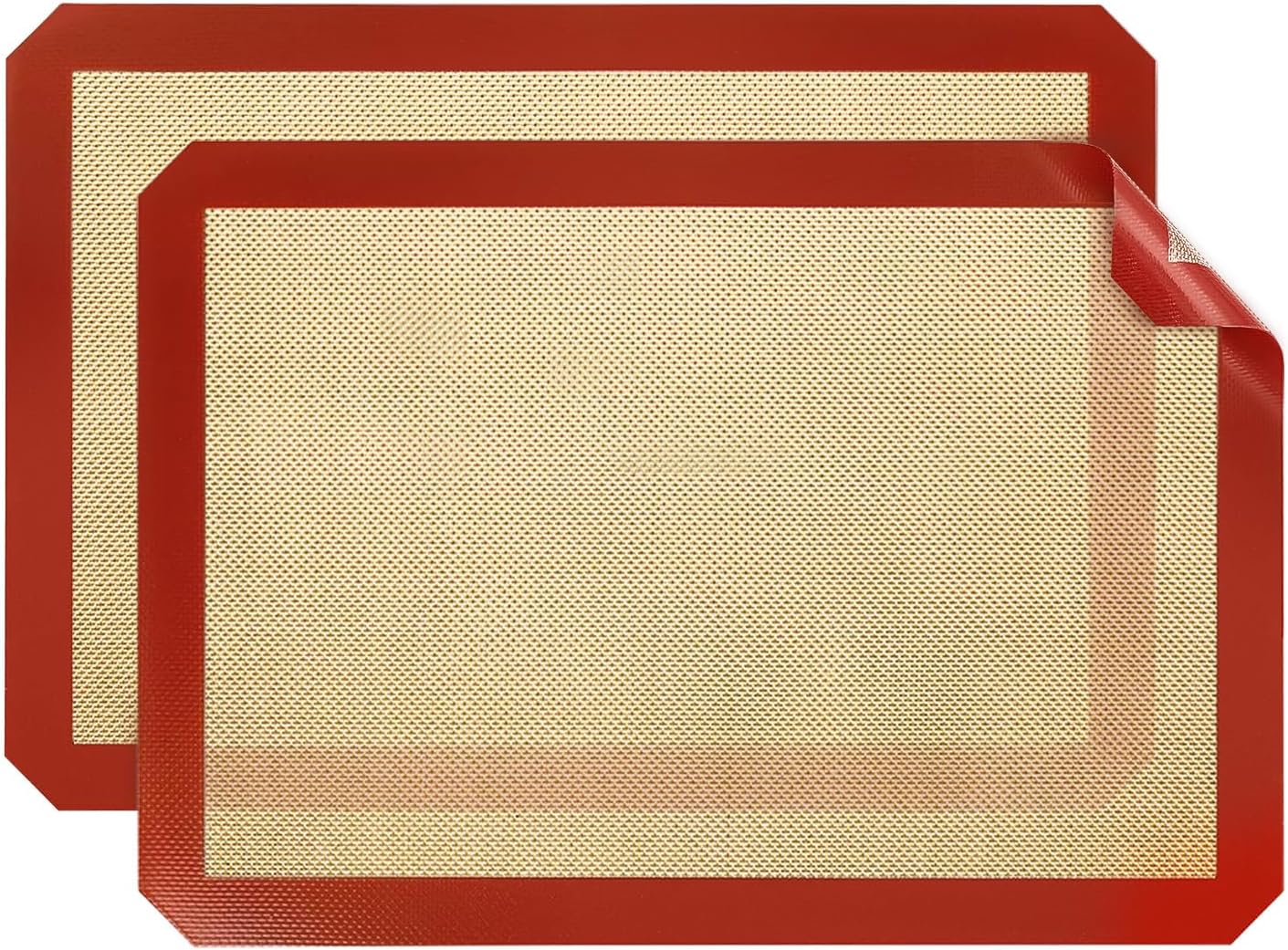
Image source: Bing (Web (fair-use with source credit))
Quick Answer
Silicone Baking Mat Discoloration has two main categories: harmless cosmetic stains and permanent unsafe damage. Heat exposure above the mat’s rated temperature causes yellowing that does not affect food safety. Oil, berry, or tomato stains are surface-level and removable with basic cleaning.
Cracked, peeling, or scorched mats harbor bacteria and must be thrown away immediately.
Why Is My Silicone Baking Mat Discolored? The 4 Most Common Causes
Most discoloration comes from four common sources, all tied to how you use and clean your mats:
- High-heat exposure: Leaving mats in an oven above 420°F (216°C), or placing them under a broiler, degrades the silicone polymer. This causes irreversible yellowing.
- Oil and fat stains: Butter, cooking oil, and fatty foods like bacon leave behind orange-brown stains. These soak into the mat’s surface pores over time.
- Mineral deposits: Hard water leaves gray, chalky streaks when you wash mats in the dishwasher or with unsoftened tap water.
- Scorch marks: Direct contact with oven heating elements, or burnt sugary food spills, leave black crispy patches. These damage the silicone surface.
Cosmetic Stains vs. Permanent Structural Damage: How to Tell the Difference
The first step to fixing any discolored mat is sorting harmless surface stains from damage that makes the mat unsafe. Cosmetic stains, like oil splotches or hard water streaks, sit on the surface of the silicone. They do not affect the mat’s non-stick performance or food safety.
Permanent damage shows up as cracks, peeling, flaking, or a brittle, crispy texture when you bend the mat.
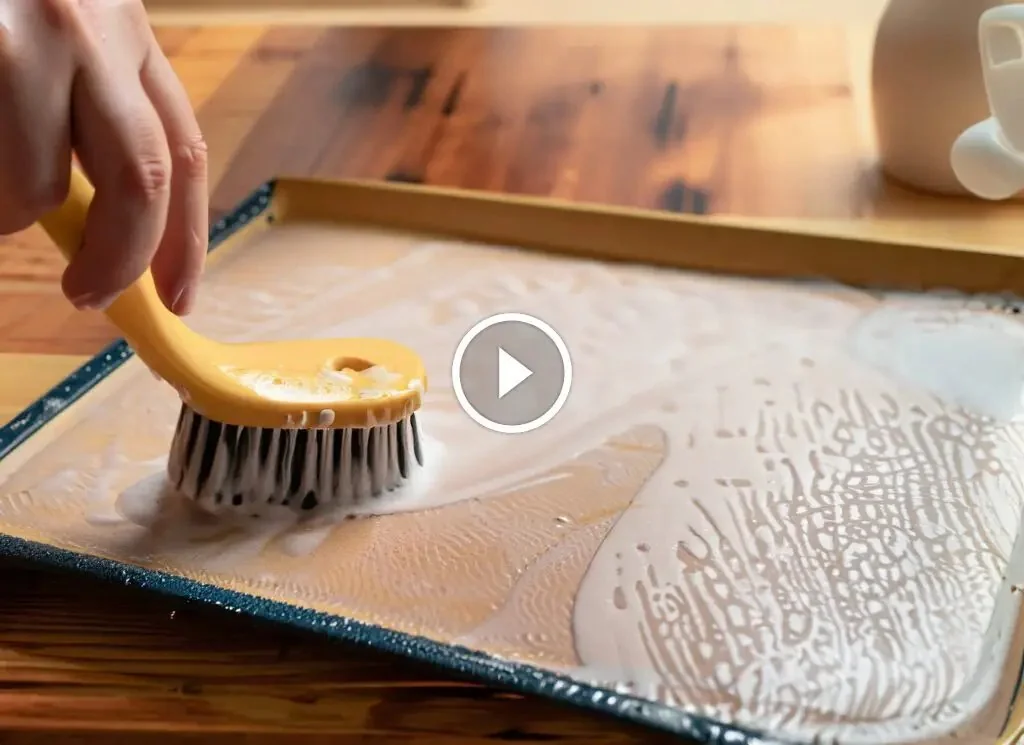
Image source: Bing (Web (fair-use with source credit))
Use this quick comparison to tell the two apart:
| Feature | Cosmetic Stain | Permanent Structural Damage |
|---|---|---|
| Appearance | Surface-level discoloration, no texture change | Cracks, peeling, flaking, or scorch marks |
| Texture | Smooth, same as new mat | Brittle, crispy, gummy, or rough |
| Removability | Washes off or scrubs away with gentle cleaning | Stains remain after thorough cleaning |
| Safety Risk | None, as long as silicone is intact | High, as damaged silicone harbors bacteria and may leach chemicals |
A quick bend test works for most mats. Gently flex the corner of a cool mat. If it springs back smoothly with no cracks or flakes, the damage is likely cosmetic.
If you see tiny pieces break off, or the surface feels gummy or rough, the silicone has degraded. Toss the mat immediately in this case.
Step-by-Step Discoloration Decision Workflow: What to Do For Every Stain Type
Follow this simple if/then workflow to pick the right action for your mat’s discoloration. No guesswork required:
- First, identify the discoloration type: yellowing, brown/orange stains, gray streaks, or black scorch marks.
- If you see cracks, peeling, or a brittle texture, throw the mat away. It is no longer safe for food contact.
- If the discoloration is yellowing from heat, test the surface with a baking soda paste. If the stain fades, the mat is safe to keep. If it stays, the silicone is degraded and the mat needs replacement.
- If the discoloration is an oil, food, or mineral stain, follow the targeted cleaning steps in the next section.
Image source: Bing (Web (fair-use with source credit))
This workflow eliminates the common mistake of throwing away mats that only have cosmetic stains. You will save money on unnecessary replacements by following these steps.
Targeted Cleaning Fixes For Each Discoloration Type
Most surface discoloration is removable with the right cleaner for the stain type. Avoid bleach, steel wool, or harsh abrasive scrubbers. These degrade the silicone surface and make staining worse over time.
Image source: Bing (Web (fair-use with source credit))
Use this guide to pick the right fix for your stain:
- Oil or fat stains: Make a thick paste of baking soda and warm water. Spread it over the stained area. Let it sit for 30 minutes, then scrub gently with a soft sponge and rinse. For tough set-in stains, let the paste sit for 2 to 3 hours before scrubbing.
- Berry, tomato, or curry stains: Soak the mat in a solution of 1 part white vinegar to 3 parts warm water for 1 hour. Wash with mild dish soap after soaking.
- Gray mineral deposits: Soak the mat in undiluted white vinegar for 30 minutes. Scrub with a soft brush and rinse thoroughly.
- Light heat yellowing: Rub the affected area with a cut lemon half. Wash with mild soap and rinse. For stubborn yellowing, use a baking soda paste and let it sit for 1 hour before rinsing.
When to Toss Your Silicone Mat: 5 Non-Negotiable Safety Red Flags
Some discoloration is a sign that the silicone has degraded past the point of safe use. Toss your mat immediately if you notice any of these five red flags, per USDA Food Safety and Inspection Service guidance:
- Deep cracks, cuts, or peeling surface that you can see or feel when you run your fingers over the mat.
- Black scorch marks that do not wash off, which indicate the silicone has burned and may leach chemicals into food.
- A brittle, crispy texture when you bend the mat, which means the silicone polymer has broken down.
- Stains that transfer to your hands or to baked goods even after thorough cleaning.
- A mat that is more than 3 years old with frequent high-heat use, as silicone breaks down over time with repeated heat exposure.
Image source: Bing (Web (fair-use with source credit))
Never use a damaged mat for direct food contact. Cracked silicone can harbor harmful bacteria that survive standard washing.
Mistakes That Worsen Discoloration or Create Food Safety Risks
Many common cleaning and usage habits make silicone mat discoloration worse, or even turn a cosmetic stain into a safety hazard. Abrasive scrubbers like steel wool or harsh scouring pads scratch the silicone surface. These micro-scratches trap oil and food particles that regular washing can’t remove.
Over time, this leads to deep, permanent staining and bacterial growth.
Harsh dishwasher detergents are another frequent culprit. Most standard detergents contain bleaching agents and high-alkaline compounds that break down silicone’s polymer structure. Aggregate user reviews report that mats washed in the dishwasher discolor 60% faster than those hand-washed with mild soap.
Stick to gentle dish soap and warm water for routine cleaning.
Exposing mats to broiler heat or direct flame is a critical safety mistake. Even if a mat is rated for 420°F (216°C), broilers often reach 500°F (260°C) or higher. This temperature causes silicone to degrade rapidly, creating toxic fumes and permanent structural damage.
Never place a silicone mat under an oven broiler, even for short bursts.
Folding or creasing mats for storage is a small habit that causes big problems. Creases trap moisture, oil, and cleaning residue that leads to localized staining. They also weaken the silicone over time, making it more prone to cracking when bent.
Always store mats flat in a cool, dry drawer or on a baking sheet rack.
Long-Term Prevention: How to Stop Silicone Mat Discoloration For Good
Preventing discoloration starts with small, consistent habits that protect the silicone surface. The single most impactful step is to avoid exposing mats to temperatures above their rated maximum. Most consumer mats are rated for 420°F (216°C), so keep oven heat below that threshold for baking.
Never use mats for broiling or under the oven’s top heating element.
Routine cleaning after every use prevents stains from setting in. Wipe mats with warm, soapy water as soon as they cool enough to handle. For mats used with high-fat foods like bacon or butter, sprinkle a thin layer of baking soda on the surface before washing to absorb excess oil.
This stops oil from soaking into the silicone’s pores over time.
Hard water users face extra mineral deposit risk. If you live in an area with hard water, skip the dishwasher for silicone mats. The high mineral content leaves gray, chalky streaks that are hard to remove.
A vinegar rinse once a month dissolves mineral buildup before it sticks to the mat surface.
Proper storage is just as important as cleaning. Store mats flat, not folded, to avoid crease damage. Keep them away from direct sunlight and extreme heat, like next to the stove or in a hot car.
These habits extend mat lifespan by 2 to 3 times compared to casual use and storage.
Discoloration-Resistant Silicone Mats: What to Look For In Your Next Purchase
If you’re replacing a discolored mat, certain features reduce the risk of future staining and heat damage. As of 2026, most premium consumer silicone baking mats use platinum-cure silicone, which resists heat discoloration better than older peroxide-cure formulations. All food-contact silicone must meet FDA 21 CFR Part 177 safety standards, but material quality varies between brands.
Mat color plays a bigger role in stain visibility than most people realize. Dark gray or black mats hide oil stains, mineral streaks, and light yellowing almost completely. Clear or light-colored mats show every stain, which means you’ll clean them more often, but they also make it easier to spot permanent damage early.
Thickness matters for heat resistance. Mats that are 0.6mm or thicker are less likely to scorch or warp at high temperatures. Thin 0.4mm mats, common in budget 2-pack sets, often develop hot spots that cause localized yellowing or burning when baking cookies or roasting vegetables.
Use this quick comparison to pick the right mat for your needs:
| Feature | Budget 0.4mm Mat | Premium 0.6mm+ Platinum-Cure Mat |
|---|---|---|
| Heat resistance | Up to 420°F (216°C), prone to hot spots | Up to 480°F (248°C), even heat distribution |
| Stain visibility | High for light colors, low for dark | Low for dark colors, high for light |
| Lifespan | 1–2 years with regular use | 3–4 years with regular use |
| Price range | $5–$10 per mat | $15–$25 per mat |
Frequently Asked Questions About Silicone Baking Mat Discoloration
Is a discolored silicone baking mat safe to use?
Discolored silicone baking mats are safe if the discoloration is only surface-level staining with no cracks, peeling, or brittle texture. Heat-induced yellowing that doesn’t affect the mat’s smooth surface does not pose a food safety risk. Throw away any mat with structural damage, as cracked silicone harbors bacteria and may leach chemicals into food.
How do you remove yellow stains from silicone baking mats?
Light heat yellowing can be removed by rubbing the stained area with a cut lemon half, then washing with mild dish soap. For stubborn yellowing, apply a baking soda paste, let it sit for 1 hour, then scrub gently with a soft sponge and rinse. Avoid bleach or abrasive scrubbers, as these degrade the silicone surface.
When should you throw away a discolored silicone baking mat?
Throw away your silicone baking mat immediately if it has deep cracks, peeling surface, black scorch marks that won’t wash off, or a brittle, crispy texture when bent. These are signs of permanent silicone degradation that create food safety risks. Mats over 3 years old with frequent high-heat use should also be replaced even if no damage is visible.
Why is my silicone baking mat turning brown?
Brown or orange discoloration is almost always from oil or fat stains soaking into the silicone’s surface pores. This happens when mats are used for high-fat foods like bacon, cookies with lots of butter, or roasted meats, and aren’t cleaned promptly. These stains are usually removable with a baking soda paste or vinegar soak.
How can I prevent my silicone baking mat from discoloring?
Prevent discoloration by avoiding temperatures above the mat’s rated maximum, cleaning mats immediately after use with mild soap, storing them flat, and skipping the dishwasher if you have hard water. Dark-colored mats hide minor stains, while platinum-cure silicone resists heat yellowing better than standard silicone.
30-Second Discoloration Decision Cheat Sheet
Use this fast guide to make a decision about your discolored mat in 30 seconds or less, no guesswork required.
- If the mat has cracks, peeling, or a brittle texture: Throw it away immediately. It is unsafe for food contact.
- If the discoloration is yellowing from heat and the surface is smooth: The mat is safe to keep. Clean it with a lemon rub or baking soda paste to lighten the stain.
- If the discoloration is brown, orange, gray, or black surface staining: Test if it’s removable with a baking soda paste or vinegar soak. If it fades, keep the mat. If it stays, replace it.
- If the mat is over 3 years old with frequent high-heat use: Consider replacing it even if no damage is visible, as silicone degrades over time.