Is a Cherry Pitter Worth Buying? What You Should Know
Is a Cherry Pitter Worth Buying? That question usually shows up after a recipe turns two pints of cherries into a sticky knife job. The answer depends less on taste and more on how many pounds you process at once.
For occasional snacking, a simple tool may feel pointless. For pie, jam, or freezer packs, it earns its place fast. A typical handheld cherry pitter costs about $5 to $15 as of 2026, while a hopper model can run $20 to $50.
That price gap matters because output changes quickly once you move past a single bowl of fruit.
Is a Cherry Pitter Worth Buying? What You Should Know
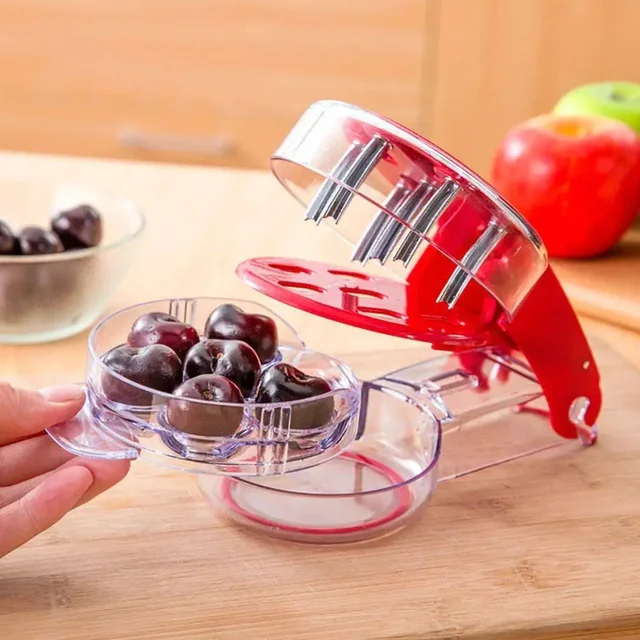
Image source: Bing (Web (fair-use with source credit))
Quick Answer
Is a Cherry Pitter Worth Buying? Yes, for larger batches. It is less useful for casual snacking.
A pitter speeds prep and keeps fruit whole. It also lowers knife slip risk. Buy one only if you pit cherries every season.
Why This Choice Is About Volume, Not Just Cherry Love
A cherry pitter becomes useful when the job repeats. One bowl of cherries is easy to handle with a knife. Three pounds for a pie starts to feel tedious.
Ten pounds for jam or freezer bags changes the math completely.
Our research points to throughput as the main trigger. A practiced user can pit about 10 to 20 cherries per minute with a handheld pitter. Hopper models often reach 20 to 40 per minute, depending on fruit size and alignment.
That gap matters when a recipe calls for pitted cups, not a few garnishes.
Yield also changes the value calculation. One pound of unpitted cherries usually gives about 2 to 2.5 cups of pitted fruit. If you are making a pie, you may need 4 to 6 cups.
That means you are pitting a lot of cherries very quickly.
When is a cherry pitter not worth it?
It is not worth it if you only eat cherries fresh. It also fails to justify drawer space for tiny, irregular batches. A paring knife or chopstick can handle a small bowl without extra cleanup.
The tool starts to make sense once you care about speed, fruit shape, and fewer missed pits.
| Situation | Likely call |
|---|---|
| A few cherries for lunch | Skip the pitter |
| One pie once a year | Handheld may help |
| Weekly yogurt or cocktail prep | Handheld is useful |
| Jam, canning, or freezer packs | Hopper model wins |
The buying choice is really a volume choice. If you only see cherries as a snack, the tool feels silly. If you see them as a seasonal crop, it feels practical.
What a Cherry Pitter Actually Solves
A cherry pitter is a small fruit tool that pushes the pit out through the stem end. The fruit sits in a seat or channel. A spring-loaded plunger drives a pin or rod through the cherry.
The pit exits into a tray or bowl, and the flesh stays mostly intact.
That simple action solves three problems at once. It keeps the cherry whole for baking and garnishes. It reduces hand contact with juice and pits.
It gives a faster rhythm than cutting around each stone with a knife.
Fruit type matters. Sweet cherries such as Bing and Rainier are often larger and firmer. Tart cherries such as Montmorency and Morello are often smaller and softer.
That changes how well the fruit seats, how much juice splashes, and how cleanly the pit releases.
What problems does it fix?
Aggregate buyer feedback highlights the same gains again and again. People like cleaner prep. They like fewer stained fingers.
They also like cherries that hold their shape for pie, clafoutis, compote, and black forest cake.
The tool also helps with safety. A knife can slip on smooth cherry skin, especially when the fruit is small or wet. The [U.S.
Food and Drug Administration](https://www.fda.gov) advises that food-contact materials should be suitable for repeated food exposure. That matters for plastic seats, stainless pins, and silicone grips.
Where it falls short
No pitter removes every pit perfectly every time. Small cherries can sit poorly in the seat. Very soft fruit may crush.
Very firm cherries can resist the plunger and leave fragments behind. Manufacturer specifications usually list size compatibility, but real fruit varies.
You still need to inspect the fruit if the recipe demands it. For jam, a missed pit is annoying. For a child’s snack, it is a bigger issue.
For canning, follow tested methods from the National Center for Home Food Preservation rather than relying on the pitter alone.
Handheld Cherry Pitters: Cheap, Compact, Good for Small Batches
Handheld cherry pitters look like pliers or large garlic presses. You place one cherry in the seat, squeeze the handles, and the pit drops out. Most models cost about $5 to $15 as of 2026.
That low price makes them an easy first try.
They work best for small to medium batches. Think one pie, a batch of muffins, a few cocktail garnishes, or a lunch prep container. They also suit kitchens with limited drawer space.
A handheld unit can weigh only 2 to 5 ounces.
What should you look for?
Manufacturer specs and aggregate reviews point to a few traits that separate usable tools from junk.
- A deep cherry seat that holds the fruit steady
- A stainless steel pin that does not bend
- A pit chute or catcher that reduces splatter
- A comfortable grip that limits hand fatigue
- A locking handle for compact storage
- Food-grade plastic or stainless construction
Common styles include the OXO Good Grips cherry and olive pitter, Prepworks Progressive Cherry-It, and Kuhn Rikon cherry pitter. These designs differ in grip shape and pit ejection, but they share the same basic job. They are best when you want low cost and simple cleanup.
What are the weaknesses?
Handheld models can tire your hand over large batches. They may jam on very small cherries. They can splash juice if the fruit is ripe and the shield is shallow.
Cheap hinges may crack, and small channels can trap sticky residue.
If you process only a pound or two, these drawbacks are minor. If you process five pounds or more, they become the whole story. That is where the next style takes over.
How do you keep one working?
Care matters more than people expect. Cherry juice is sticky, and pits can leave small fragments behind. Rinse the tool right after use.
Pay attention to the hinge, spring, and pit channel.
- Rinse before the juice dries
- Wash small parts in warm soapy water
- Dry metal parts fully to prevent rust
- Check the pin for bending before each season
- Store it locked or closed to protect the spring
Manufacturer care guides often note whether parts are dishwasher-safe. Even when they are, hand washing can extend the life of small plastic parts.
Countertop Hopper Cherry Pitters: Better for Pies, Jam, and Freezer Prep
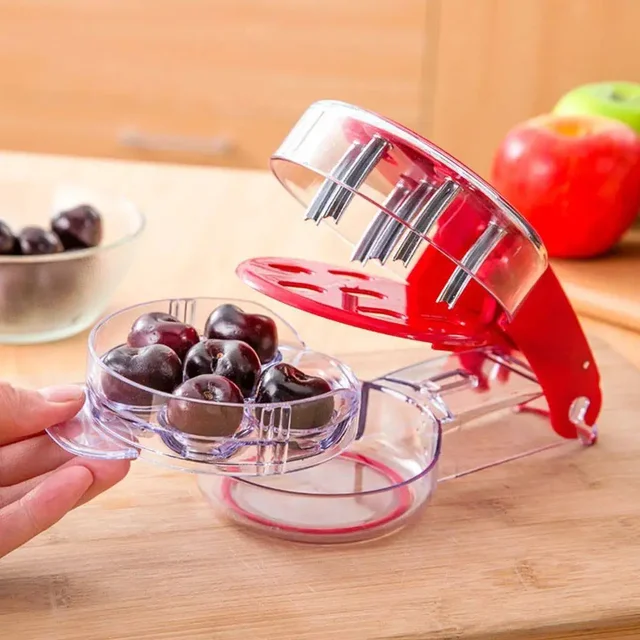
Countertop hopper cherry pitters are built for volume. You load cherries into a hopper, turn a crank or press a lever, and the machine pits them in sequence. The fruit drops into one bowl, and pits collect in a separate tray.
These units usually cost about $20 to $50.
This style is the better fit for serious seasonal prep. It suits pie makers, jam makers, home canners, and people who freeze cherries by the bag. It also helps people with limited hand strength because the mechanism does more of the work.

Image source: Bing (Web (fair-use with source credit))
What makes them faster?
A hopper keeps multiple cherries queued. You do not place each fruit by hand for every cycle. That small change saves time across hundreds of cherries.
Aggregate user reviews suggest hopper models can pit about 20 to 40 cherries per minute when the fruit is uniform and firm.
Common examples include the Leifheit Cherrymat, Norpro cherry pitter, and Westmark cherry stoner. Their bodies are often plastic, with stainless pitting rods and suction feet. Some include splatter guards and removable pit trays.
| Feature | Why it matters |
|---|---|
| Hopper capacity | Fewer reloads during big jobs |
| Suction feet or non-slip base | Less movement during cranking |
| Pit tray | Cleaner counter and easier disposal |
| Splatter guard | Less juice on clothes and cabinets |
| Removable parts | Faster rinsing and better hygiene |
What is the real workflow?
A hopper pitter works best when the fruit is prepped in a simple order. This keeps jams low and cleanup faster.
- Sort cherries by firmness and size
- Remove stems, leaves, and damaged fruit
- Wash and drain the cherries well
- Load the hopper without overfilling
- Pit into a clean bowl
- Inspect the fruit for missed pits
- Rinse the machine before juice dries
This process matters more than the brand name. A good machine still needs good fruit. Very small cherries may fail to seat.
Overripe fruit may mash. If your local market sells mixed sizes, you may still sort fruit before pitting.
Who should skip them?
Skip a hopper model if you rarely buy cherries by the pound. These units take more storage space than handheld tools. They also need more cleanup because pits, juice, and flesh touch more surfaces.
A small kitchen may not want that trade.
They also need uniform fruit for best results. If you only pit a handful of cherries for fresh eating, the setup and washing can feel like overkill. If you pit several pounds in one session, the time savings become obvious.
Electric and Semi-Automatic Pitters: When Speed Justifies the Price
Electric and semi-automatic cherry pitters make sense only when volume is high. These units can cost about $40 to $150+ as of 2026. They reduce hand effort and keep a steady rhythm during long sessions.
They suit small orchards, serious home canners, and people who process pick-your-own harvests. If you pit under five pounds at a time, the price and cleanup usually outweigh the speed gain.
Are they faster than manual models?
Sometimes. Manufacturer specs often list pounds per hour, but real speed depends on fruit size and feeding rhythm. Aggregate reviews suggest powered or crank-assisted units help most when the cherries are uniform and firm.
- Best for: 10 pounds or more in one prep day
- Skip if: you only pit cherries a few times a year
- Watch for: more parts to clean, louder operation, and higher storage needs
Multi-Fruit Pitters and Olive Pitters: Convenient, but Not Always Better
A multi-fruit pitter or 2-in-1 cherry and olive pitter sounds like a smart space saver. It works best in kitchens that want one small tool for occasional cherries and olives. The appeal is convenience, not maximum cherry performance.
The tradeoff is fit. Cherries vary in size more than pitted olives. A shared seat may hold large Bing cherries well but let small tart cherries shift.
That can lead to missed pits or crushed fruit.
When does a combo tool make sense?
It makes sense if your cherry use is light. It also works for cocktail prep, where you may pit a few cherries and then switch to olives. For jam or pie batches, a dedicated cherry pitter usually gives cleaner results.
- Dedicated cherry pitter: better alignment for seasonal fruit
- Olive pitter: fine for soft olives, weaker for firm cherries
- Multi-fruit tool: good for small mixed jobs, not bulk prep
No-Pitter Alternatives: Knife, Chopstick, Straw, and Skewer Methods
Manual alternatives work well for tiny jobs. They cost nothing if you already have the tool. They also avoid buying another single-use kitchen gadget.
A paring knife gives control, but it can bruise fruit and create more mess. Cut around the seam, twist the halves, and lift out the pit. This is fine for a small fruit salad.
A chopstick, skewer, or sturdy straw can push the pit out through the stem end. This keeps the cherry more whole, which helps with garnishes. It is slow, and soft fruit can collapse.
Which no-pitter method is cleanest?
The skewer or chopstick method is usually cleanest for keeping fruit shape. The knife method is fastest for small batches when appearance matters less. The straw method works only with firm cherries and gentle pressure.
Side-by-Side: Pitter Styles vs Manual Methods for Speed, Mess, and Pit Removal
This comparison comes down to batch size. A tool that feels useless for ten cherries can feel essential for ten pounds.
| Method | Typical speed | Mess level | Pit control | Best for |
|---|---|---|---|---|
| Knife | 3 to 8 per minute | Medium to high | Good with practice | Small fruit bowls |
| Chopstick or skewer | 3 to 6 per minute | Low to medium | Fair | Garnishes and snacks |
| Handheld pitter | 10 to 20 per minute | Low to medium | Good | One pie or small batch |
| Hopper pitter | 20 to 40 per minute | Medium | Very good | Jam, canning, freezer packs |
| Electric or semi-automatic | Varies by model | Medium | Very good | Large seasonal harvests |
If missed pits are your main worry, no method removes inspection. For children, cut pitted cherries again if needed. For canning, follow tested guidance from the National Center for Home Food Preservation.
Best Option for Each Use Case: Baking, Canning, Freezing, Cocktails, Kids’ Snacks
The best choice changes with the end use. Baking rewards whole fruit and steady prep. Canning rewards consistency and safety.
Freezing rewards volume. Cocktails reward appearance. Snacks reward pit removal and safe sizing.
- Baking: choose a handheld pitter for one pie. Choose a hopper pitter for double crusts, crumbles, or clafoutis.
- Canning: use a hopper pitter, then inspect fruit carefully. Do not rely on the tool alone.
- Freezing: a hopper pitter pays off because you can pit, tray-freeze, and bag cherries in one session.
- Cocktails: a small handheld pitter or skewer method keeps garnish cherries neat.
- Kids’ snacks: pit each cherry, check for fragments, and cut young children’s cherries into smaller pieces.
Sweet cherries such as Bing and Rainier are often best for fresh snacks and garnishes. Tart cherries such as Montmorency are often better for pies and preserves. Match the tool to the fruit, not just the recipe.
Common Problems: Missed Pits, Splatter, Jamming, and Hard-to-Clean Parts
Most failures come from fruit size, not a broken tool. Small cherries shift in the seat. Overripe fruit crushes.
Firm fruit may leave pit fragments.
Sort cherries by size first. Work over a light bowl so pits are easy to see. Rinse the tool before juice dries in the hinge.
- Use firm, uniform fruit for cleaner ejection
- Keep a towel under handheld tools to limit splatter
- Check the pin for bends if pits stick
What to Spend: Price Ranges and Value Signals
A sensible budget depends on batch size. Handheld models usually cost $5 to $15 as of 2026. Hopper units run $20 to $50.
Electric models can exceed $150.
Value signals matter more than sticker price. Look for stainless pitting rods, stable bases, and removable trays. Cheap plastic hinges often fail first.
- Handheld: $5 to $15, look for a steel pin
- Hopper: $20 to $50, look for suction feet
- Electric: $40 to $150+, look for washable parts
Maintenance, Storage, and Safety Tips That Keep It Useful
Clean a cherry pitter right away. Cherry juice dries sticky and attracts fruit flies. Pit fragments hide in small channels.
Rinse, wash in warm soapy water, and dry metal parts fully. Rust usually starts on damp springs or pins. Store handheld tools locked so the spring does not weaken.
Keep fingers away from the ejection chute. Do not crush or eat cherry pits. Treat fruit pits as waste, not food.
Final Recommendation: Buy, Skip, or Choose the Simpler Method
Buy a handheld pitter for one or two desserts a season. It is cheap and easy to store. Buy a hopper pitter for regular pie, jam, or freezer batches.
Skip it for fresh snacking. A knife or skewer is enough. Limited hand strength may still favor a hopper model.
The simplest rule is this. If cherry prep feels like a chore, buy the pitter. If it feels like a snack, skip it.
Frequently Asked Questions
Is a cherry pitter worth it for one pie?
Yes, if you dislike knife work. A handheld pitter can handle 4 to 6 cups of pitted cherries in a short session. It keeps fruit whole and reduces hand staining.
If you bake cherry pie once every few years, a skewer may be enough.
Can a cherry pitter remove every pit?
No tool removes every pit perfectly. Small, soft, or uneven cherries can shift during pitting. Aggregate buyer feedback suggests inspecting fruit after pitting, especially for children’s snacks.
For whole desserts, give the fruit a quick visual check before serving or baking.
Do you need to wash cherries before pitting?
Yes. Wash cherries under clean running water, then drain them well. Wet fruit can splash more, so a quick drain helps.
The FDA provides general produce handling guidance for home kitchens. Prep clean fruit first, because washing after pitting can dilute flavor.
Are cherry pits safe to crush or eat?
No. Do not crush or eat cherry pits. They contain amygdalin, a compound that can release cyanide when broken down.
Treat pits as compost or waste. Keep pitted pieces away from young children, and clean the tray after each use.