How to Fix a Buzzing Electrical Sound in Your Air Fryer
Dealing with a buzzing electrical sound from your dual-zone air fryer can turn a simple weeknight dinner prep into an annoying puzzle. You want crispy food, but instead, you get a distracting hum or whine from your countertop appliance.
Let us figure out what is causing that noise and how to fix it safely.
As of 2026, modern kitchen appliances pull massive amounts of power, and high-wattage machines often reveal minor mechanical or electrical quirks over time.
Let us walk through the diagnostic steps and solutions to quiet your machine down.
Quick Answer
To fix a buzzing electrical sound from a dual-zone air fryer, first unplug the unit completely. Check the rear fan cavities for stray food debris or touching wire guards. Next, plug the machine directly into a standard wall outlet instead of an extension cord.
If the noise persists as a high-pitched whine from the control board, contact the manufacturer.
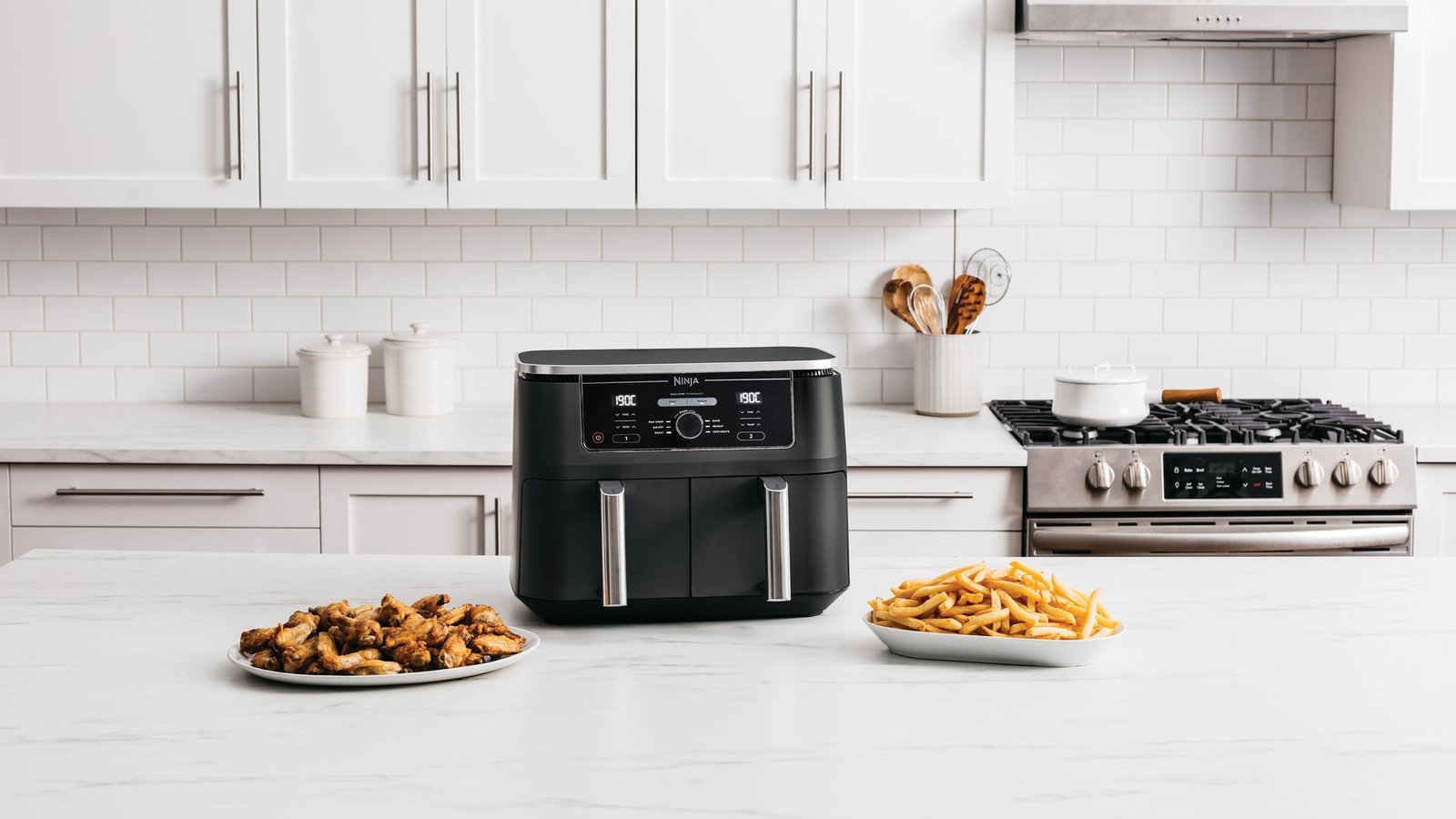
Image source: Bing (Web (fair-use with source credit))
Why Your Dual Zone Air Fryer is Making an Electrical Buzz
A dual-zone machine houses two separate cooking compartments, independent convection fans, and dual heating elements under one roof. That setup requires complex electrical routing and heavy power draws.
When a component vibrates or an electrical current hits a loose connection, it creates an audible hum.
Understanding the source of the noise helps you decide whether you can fix it at home or if you need professional warranty support.
Visualizing the Problem: Identifying Where the Buzz Originates
Not all buzzing sounds come from the same place inside your appliance. Pinpointing the exact location of the noise saves you time and keeps you safe.
If the sound comes from the lower rear, it is usually mechanical. If the sound comes from the digital display screen, it is likely electrical.
| Sound Profile | Usual Location | Primary Cause |
|---|---|---|
| Low rhythmic hum | Rear cavity near fans | Fan blade clipping debris |
| High-pitched whine | Front display or top | Control board transformer vibration |
| Sharp crackle | Internal wiring area | Loose electrical terminal arc |
Core Components Causing the Hum: Fans, Boards, and Transformers
Dual-zone air fryers rely on specialized internal parts to manage two cooking zones at once.
Each zone uses a high-speed convection fan to circulate heat evenly around the food baskets. These fans spin thousands of times per minute and can easily develop rattles if dust or grease builds up.
Behind the interface sits the control board, which includes miniature transformers and relay switches. According to standards published by the Underwriters Laboratories, electrical components handling high current can vibrate audibly under thermal stress.
Step 1: Visual Inspection of the Convection Fans and Baskets
Let us start with the easiest and most common mechanical fix. Always unplug your air fryer before inspecting any internal spaces.
Pull out both cooking baskets and look closely at the rear wall of each cooking cavity.
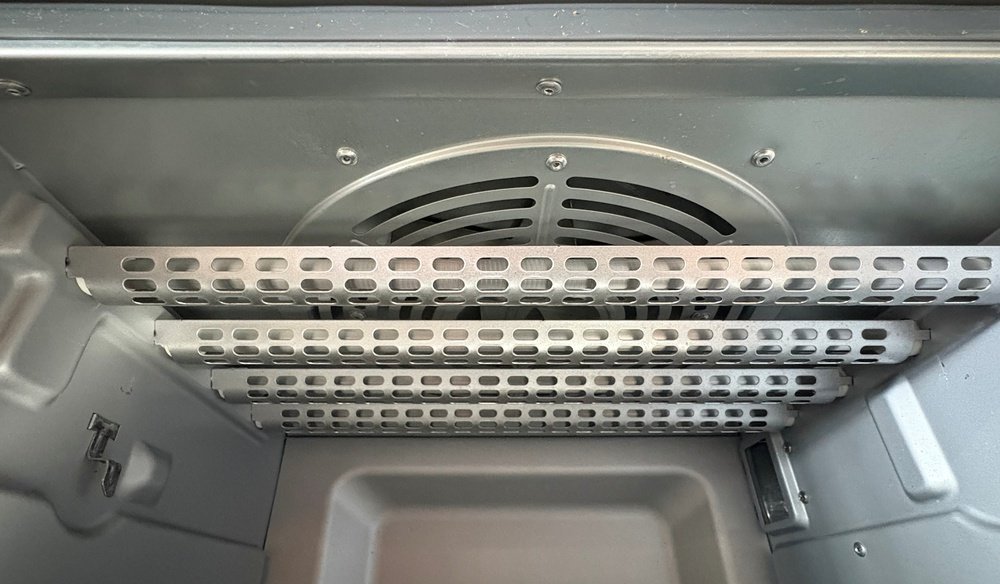
Image source: Bing (Web (fair-use with source credit))
You want to check for any grease buildup or stray food particles trapped in the fan guard.
Gently spin the fan blades with your finger to make sure they do not scrape against the metal housing. If a blade is bent or hitting a loose wire guard, carefully bend it back or secure the wire.
Step 2: Evaluating Power Sources, Wall Outlets, and Voltage Drops
Power delivery issues often cause unexpected electrical noises in high-wattage kitchen appliances.
If you plug your dual-zone air fryer into a cheap extension cord or a crowded power strip, the machine may experience a voltage drop. That drop forces internal components to work harder, creating a loud electrical hum.
Unplug the air fryer from any surge protectors or extension cords right now. Plug it directly into a dedicated wall outlet to see if the buzzing sound stops immediately.
Step 3: Checking Exterior Housing, Seams, and Thermal Expansion
Air fryers cycle between intense heat and cool room temperatures during normal daily use.
This constant heating and cooling causes the plastic outer shell and internal metal frames to expand and contract. Over time, exterior housing screws can loosen and create a sympathetic vibration buzz.
Inspect the outer panels of your machine for any loose seams or gaps. If you spot loose exterior screws, tighten them gently with a matching screwdriver. Avoid over-tightening, because stripping the plastic housing will only create new rattles.
Step 4: Assessing Control Board Coil Whine and Relay Switches
A high-frequency whine originating right behind the digital display points to electronic components.
Modern control boards use electromagnetic coils and small relay switches to direct power to each cooking zone. When these coils vibrate rapidly under a heavy electrical load, it produces an annoying sound known as coil whine.
This noise is usually electrical in nature rather than mechanical. While harmless in small electronics, a sudden loud whine in a kitchen appliance suggests a component is failing under thermal stress.
Critical Safety Warnings: High-Voltage Capacitors and Shock Hazards
Safety must always come first when inspecting any kitchen appliance housing.
Air fryers store high-voltage electrical energy in internal capacitors even after you unplug them from the wall outlet.
Never remove the outer casing or attempt to solder internal wiring yourself. Touching the wrong component inside can deliver a severe electrical shock. Leave all internal electrical repairs to certified professionals.
Red Flag Signs: Burning Smells, Arcing, and When to Stop
Some buzzing sounds are simple fixes, but others signal a dangerous mechanical failure.
Stop using your dual-zone air fryer immediately if the buzzing sound comes with a sharp burning plastic smell. That odor means wire insulation is melting or overheating inside the casing.
You should also unplug the unit if you smell ozone or see a faint flash of light through the ventilation slots. Those warning signs indicate electrical arcing, which presents a serious fire hazard.
Warranty Claims Versus DIY Repairs
Protecting your investment means knowing when to stop troubleshooting and call the manufacturer.
If your air fryer is still covered under the original manufacturer warranty, do not attempt any teardowns. Opening the housing to check interior parts will instantly void your warranty protection.
Contact customer support, explain the electrical buzzing sound, and request a replacement unit. Most reputable brands will ship a replacement if the appliance fails prematurely during normal household use.
Preventing Noise and Protecting Your High-Wattage Appliance
Proper daily maintenance keeps your dual-zone air fryer running quietly and extends its operational lifespan.
Clean both cooking baskets and the rear fan guards thoroughly after every few cooking cycles. Grease buildup blocks airflow and forces the convection fans to spin off-balance, creating rattles.
Give your machine at least five inches of clear space on all sides so heat can vent properly. Good ventilation prevents the internal control board and transformers from overheating and humming.
Frequently Asked Questions
Can a dirty air fryer fan cause an electrical buzzing sound?
Grease and food debris can coat the convection fan blades or get trapped in the rear housing. When the fan spins at high speed, hitting this debris creates a buzzing or rattling sound that mimics an electrical hum. Cleaning the fan area usually solves this problem.
Is it safe to use a dual-zone air fryer that hums loudly?
A low mechanical hum from the convection fans is normal during operation. However, a sudden, loud electrical whine or buzzing usually indicates a failing component or power supply issue. Unplug the unit and check the power source before using it again.
Why does my air fryer buzz only when both zones are running?
Running both zones at once draws maximum electrical wattage from your wall circuit. That heavy power draw pushes internal transformers and relay switches to their limit, causing them to vibrate and produce a louder hum than single-zone operation.
Should I plug my air fryer into an extension cord?
You should always plug a dual-zone air fryer directly into a wall outlet. Extension cords and power strips often cannot handle the 1500 to 1800 watts required by these machines. Using them causes voltage drops and annoying electrical buzzing sounds.
How do I know if the buzzing is coil whine?
Coil whine sounds like a high-pitched, constant musical note coming directly from the digital control board area. It happens when electromagnetic coils vibrate under load, and while it is often harmless, a sudden new whine suggests a stressed power supply.
Warranty Claims Versus DIY Repairs
Protecting your investment means knowing when to stop troubleshooting and contact the manufacturer directly.
If your air fryer is still covered under the original warranty terms, avoid taking the machine apart. Opening the housing to inspect internal wiring or control boards will immediately void your coverage.
Contact customer support, describe the electrical buzzing sound clearly, and ask about a replacement unit. Most brands will send a new air fryer if the machine fails prematurely during normal household use.
Preventing Noise and Protecting Your High-Wattage Appliance
Proper daily maintenance keeps your dual-zone air fryer running quietly and extends its operational lifespan.
Clean both cooking baskets and the rear fan guards thoroughly after every few cooking cycles. Grease buildup blocks airflow and forces the convection fans to spin off-balance, creating annoying rattles.
Give your machine at least five inches of clear space on all sides so heat can vent properly. Good ventilation prevents the internal control board and transformers from overheating and humming.
Frequently Asked Questions
Can a dirty air fryer fan cause an electrical buzzing sound?
Grease and food debris can coat the convection fan blades or get trapped in the rear housing. When the fan spins at high speed, hitting this debris creates a buzzing or rattling sound that mimics an electrical hum. Cleaning the fan area usually solves this problem.
Is it safe to use a dual-zone air fryer that hums loudly?
A low mechanical hum from the convection fans is normal during operation. However, a sudden, loud electrical whine or buzzing usually indicates a failing component or power supply issue. Unplug the unit and check the power source before using it again.
Why does my air fryer buzz only when both zones are running?
Running both zones at once draws maximum electrical wattage from your wall circuit. That heavy power draw pushes internal transformers and relay switches to their limit, causing them to vibrate and produce a louder hum than single-zone operation.
Should I plug my air fryer into an extension cord?
You should always plug a dual-zone air fryer directly into a wall outlet. Extension cords and power strips often cannot handle the 1500 to 1800 watts required by these machines. Using them causes voltage drops and annoying electrical buzzing sounds.
How do I know if the buzzing is coil whine?
Coil whine sounds like a high-pitched, constant musical note coming directly from the digital control board area. It happens when electromagnetic coils vibrate under load, and while it is often harmless, a sudden new whine suggests a stressed power supply.
Warranty Claims Versus DIY Repairs
Protecting your investment means knowing when to stop troubleshooting and contact the manufacturer directly.
If your air fryer is still covered under the original warranty terms, avoid taking the machine apart. Opening the housing to inspect internal wiring or control boards will immediately void your coverage.
Contact customer support, describe the electrical buzzing sound clearly, and ask about a replacement unit. Most brands will send a new air fryer if the machine fails prematurely during normal household use.
Preventing Noise and Protecting Your High-Wattage Appliance
Proper daily maintenance keeps your dual-zone air fryer running quietly and extends its operational lifespan.
Clean both cooking baskets and the rear fan guards thoroughly after every few cooking cycles. Grease buildup blocks airflow and forces the convection fans to spin off-balance, creating annoying rattles.
Give your machine at least five inches of clear space on all sides so heat can vent properly. Good ventilation prevents the internal control board and transformers from overheating and humming.