What Size Cherries Fit Most Pitters? Sizing Guide
What Size Cherries Fit Most Pitters is really a question about diameter, cup depth, and fruit shape. Most home cherry pitters work best with average sweet cherries, not tiny sour cherries or jumbo fruit. If the cherry sits centered in the cup, the pit usually ejects cleanly.
If it wobbles or overhangs, you get crushed fruit and missed pits.
Manufacturer specifications and aggregate buyer feedback point to a sweet spot around 24 to 28 mm across. That matches common fresh-market sweet cherry sizes sold as 10 to 11 row fruit. As of 2026, that range still covers most pitters designed for sweet cherries.
The next step is sorting your fruit before you start pitting.
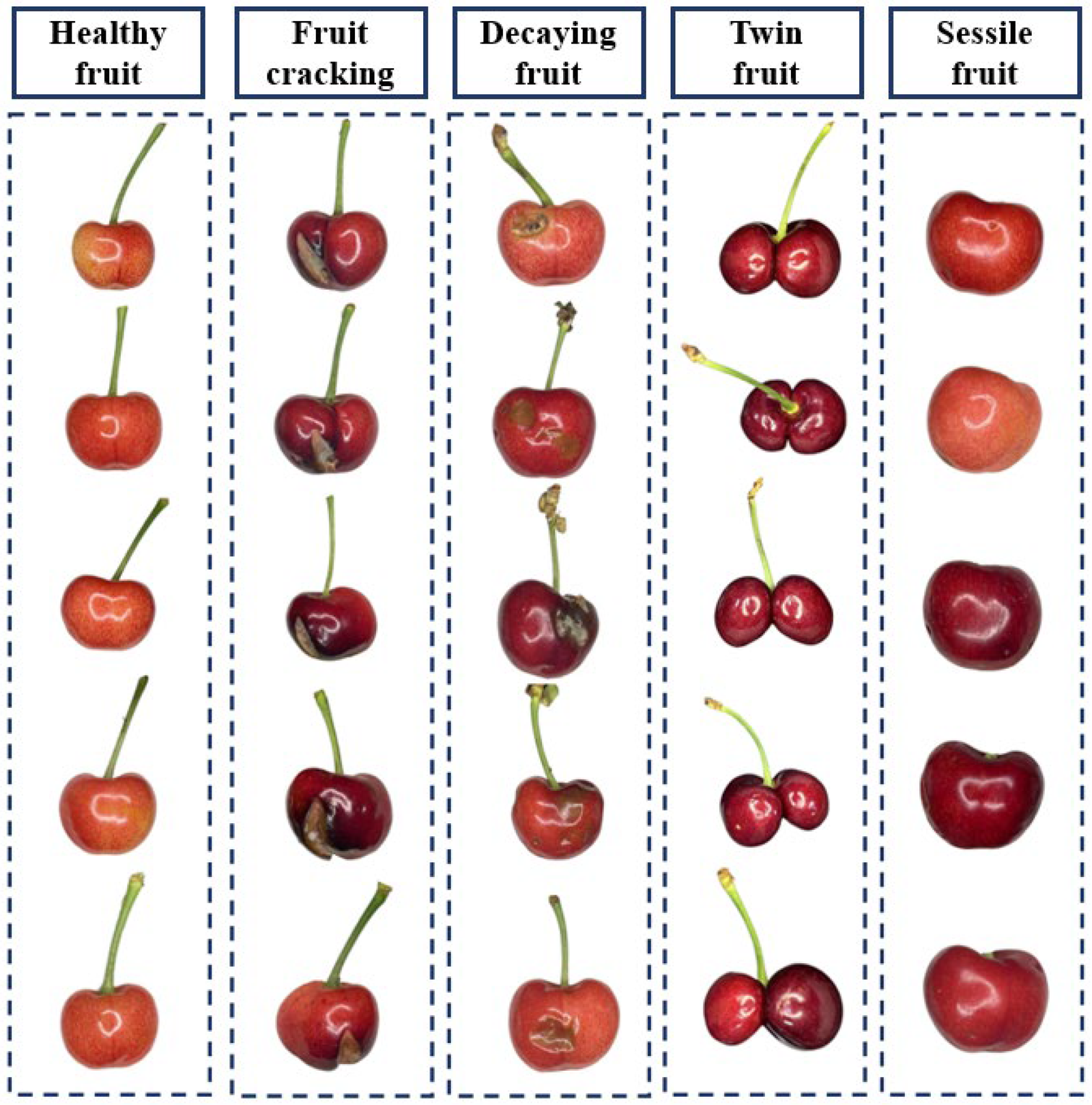
Image source: Bing (Web (fair-use with source credit))
Quick Answer
What Size Cherries Fit Most Pitters depends mostly on fruit diameter. Most home pitters handle 24 to 28 mm sweet cherries. That size seats well in the pitter cup.
Smaller sour cherries can miss the plunger path. Larger cherries may crush unless sorted first.
Sweet Cherries
Most sweet cherries sold fresh fall into this workable range. Common retail fruit measures about 24 to 28 mm across. If the cherry feels firm and round, a standard pitter usually seats it well.
Very large 28 to 32 mm fruit needs sorting.
Sour Cherries
Most sour cherries are too small for standard sweet cherry pitters. They often measure 12 to 18 mm across. The fruit can tilt, slip, or pit poorly.
Use a small fruit pitter or a careful hand method.
Why Cherry Size Decides Whether a Pitter Works
A cherry pitter is a simple tool, but it only works when the fruit sits in one predictable spot. The cup holds the cherry. The plunger drives through the fruit.
The pit exits through a small chute or opening.
If the cherry is too small, it can roll or tilt. The plunger then hits the pit at an angle. That leaves pit fragments behind.
If the cherry is too large, the cup cannot close around it. The skin may split, and the flesh can crush instead of releasing the pit. More pressure usually makes bad fit worse.
The fit problem is worse with mixed batches. A bowl of cherries can include small, medium, and jumbo fruit from the same box. That is why sorting matters more than brand.
Even a well made pitter can fail when the size range is too wide.
Size also changes by type. Sweet cherries are usually larger and firmer. Sour cherries are smaller, softer, and more fragile.
A pitter built for sweet cherries may not handle sour cherries without an adapter or a smaller cup.
Fresh sweet cherries are often packed by row count. The row count tells how many cherries fit across a standard pack. Lower row numbers mean larger fruit.
A 9 row cherry is larger than an 11 row cherry.
A pitter is fastest when it matches the crop. Orchard packs often size fruit before sale. Home growers rarely have that luxury.
Fit beats force every time.
The Condition Variables That Change Fit
Three physical details decide whether a cherry pits cleanly. They matter more than the label on the box. You can check them fast once you know what to look for.
Think of the pitter as a jig.
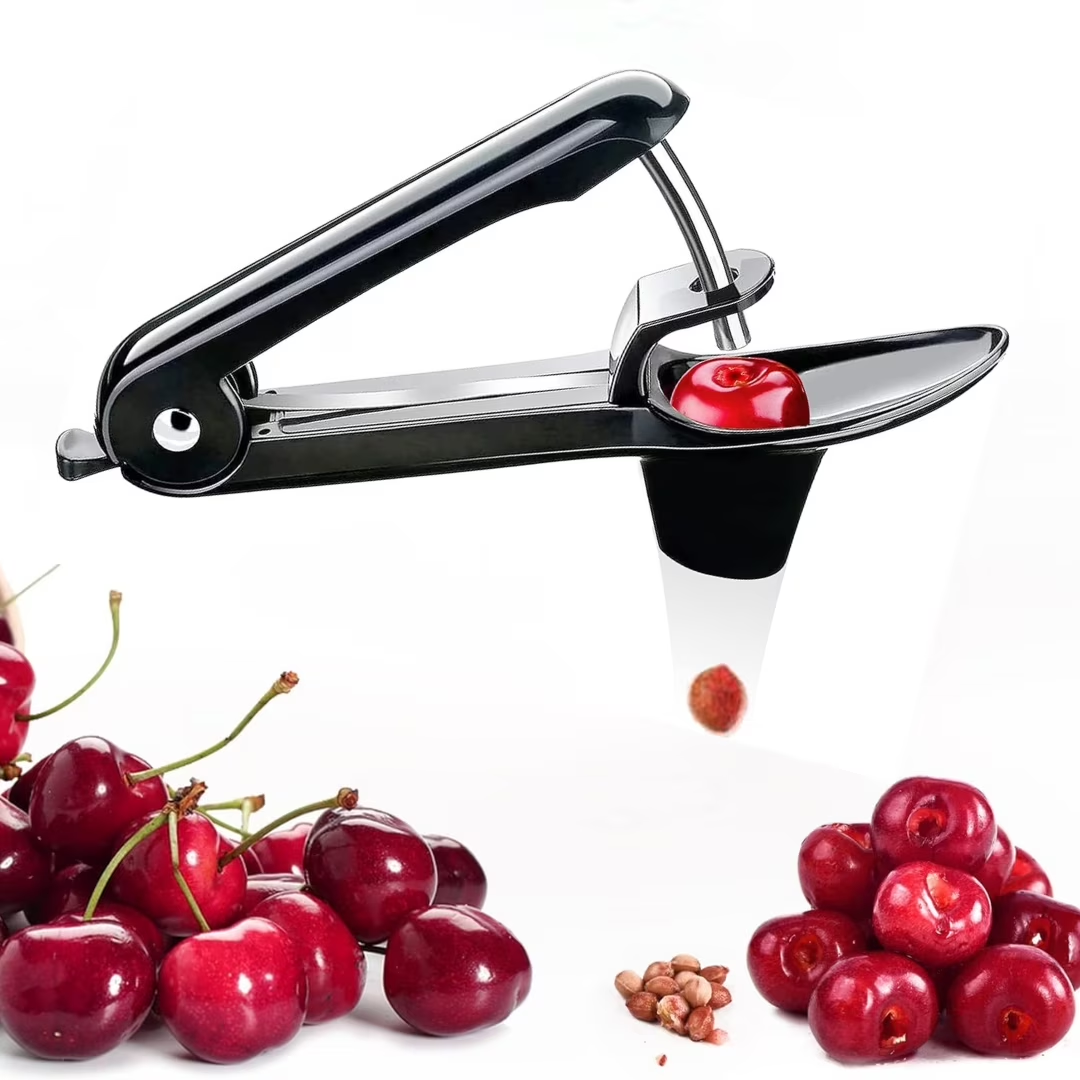
Image source: Bing (Web (fair-use with source credit))
Diameter, Depth, and Cup Opening
Diameter is the widest part of the cherry. Cup opening is the hole or seat where the fruit rests. If the cherry diameter is close to the cup opening, the fruit stays centered.
Most standard pitters use a cup opening near 22 to 30 mm. The useful working range is usually tighter than that. A 24 to 28 mm cherry gives the plunger a straight path.
A 16 mm cherry may fall too deep. A 32 mm cherry may sit on top of the seat. Measure the fruit at its widest point, not from stem to tip.
Depth matters too. A deep cup can hold a small cherry, but the plunger may not reach the pit cleanly. A shallow cup can let a large cherry stay stable, but soft fruit may slide.
Cup shape changes the usable range. A round cup with soft sides can forgive slight size differences. A hard plastic cup with a narrow seat is less forgiving.
Lever pitters often give more control than handheld squeezers.
If the pitter has an adjustable seat, set it before loading fruit. A loose setting lets small cherries wander. A tight setting can bruise large cherries.
Fruit Firmness and Shape
Firm fruit holds its shape under pressure. That helps the pit pop out in one piece. Soft fruit deforms, so the plunger can push flesh sideways instead of pushing the pit out.
Round fruit seats better than oblong or flattened fruit. Misshapen cherries can tilt even when their diameter looks right. This is common after rough handling or warm storage.
Chilled fruit often behaves better than warm fruit. It resists crushing for a few seconds longer. That small difference can save a large batch.
Very ripe cherries can still pit if they are cold. Place them in the refrigerator for 30 to 60 minutes. Pat dry any condensation.
Cold flesh resists tearing.
Pit Size and Stem-End Alignment
The pit is not always centered. Some cherries have a large pit relative to the flesh. Others have a pit that sits at a slight angle.
The stem end also matters. Many pitters work best when the stem scar faces the plunger or the pit chute, depending on the tool design. If the stem end is blocked by torn skin, the pit may not eject.
The USDA Agricultural Marketing Service grades fresh sweet cherries partly by size and defects. Defects such as bruising, cracking, or misshapen fruit can affect pitting even when diameter is within range. Manufacturer specifications often list capacity by fruit type, not diameter.
Read the fine print. If the box says cherry and olive, expect a compromise size. Olive pits are smaller and fruit shape differs.
Measure and Sort Cherries Before You Pit
Sorting is the fastest fix. You do not need perfect fruit. You need similar fruit in each batch.
Use a ruler, caliper, or even a coin for a quick check. A US quarter is about 24 mm across. That gives you a rough field gauge for the middle range.
If you do not have calipers, use a template. Cut holes of 20, 24, 28, and 32 mm in cardboard. Drop cherries through the holes.
This is fast enough for home batches.
Follow this workflow:
- Wash and dry the cherries.
- Remove stems and discard split fruit.
- Measure a random handful.
- Separate fruit into small, medium, large, and oversized groups.
- Test one cherry from each group before pitting the whole batch.
A simple size table helps you decide what to do next.
| Cherry group | Diameter | What usually happens |
|---|---|---|
| Small sweet or sour cherries | Under 20 mm | Fruit may tilt or slip |
| Average sweet cherries | 20 to 28 mm | Usually pits cleanly |
| Large sweet cherries | 28 to 32 mm | May jam or crush |
| Oversized or soft cherries | Over 32 mm | Often needs hand method |
Fresh cherry packing often uses row sizes. The numbers can look backward. Smaller row numbers mean larger fruit.
Here is a rough guide.
| Row size | Approx diameter | Fit likely |
|---|---|---|
| 9 row | 28 mm | May need oversized branch |
| 10 row | 25 mm | Usually good |
| 11 row | 23 mm | Usually good |
| 12 row | 21 mm | May slip in large cup |
If most of your fruit lands in the 24 to 28 mm group, you can move fast. If the batch is mixed, slow down and sort. Mixed sizing is the most common reason a pitter seems broken when it is not.
Keep a notes column on your phone. Record variety, size, and pitter result. Next season, you will know which batches need sorting first.
Sort by feel as well as size. Discard cherries with soft shoulders or cracked skin. Those will jam even if diameter is right.
Dry fruit grips better.
Decision Branch: Small Cherries Under 20 mm
If your cherries are under 20 mm, do not force them through a standard sweet cherry pitter. The tool likely expects more fruit volume. Small cherries can slide out of alignment before the plunger reaches the pit.
Use this branch for small fruit:
- If the cherry is 18 to 20 mm and firm, try a pitter with a smaller cup.
- If the cherry is under 18 mm, use a small fruit pitter or hand method.
- If the fruit is sour, expect softer flesh and smaller pits.
- If the batch is very soft, chill it first or use a knife.
Small sweet cherries can still pit well. They just need a tighter seat. Sour cherries are the harder case.
Many are far below the sweet cherry size range, so a standard pitter can waste more fruit than it saves.
For small cherries, a straw or chopstick can work. Push from the stem end toward the pit exit. Work over a bowl.
Expect slower speed.
If you are pitting sour cherries for pie, accept a tradeoff. A small amount of missed pit is more likely. Strain cooked fruit if pits are a concern.
Small fruit can also mean different pit shapes. Sour cherry pits are often more rounded. That can change how the pit ejects.
Clean the chute often.
A good test is to pit five cherries and inspect them. If three or more have missed pits or torn flesh, stop. Switch tools or methods.
That saves time and keeps more fruit whole.
For very small backyard cherries, pitting may not be worth it. Consider cooking and straining. That avoids chasing individual pits.
Decision Branch: Average Cherries From 20 to 28 mm
If your cherries fall from 20 to 28 mm, you are in the best working range for most home pitters. This group seats well, holds center, and gives the plunger a straight path to the pit. Firm fruit in this range usually pits with little waste.
Use slightly different pressure by size.
- For 20 to 22 mm fruit, use a snug cup and slow squeeze.
- For 24 to 26 mm fruit, standard cup settings usually work.
- For 27 to 28 mm fruit, give the cherry a light centering touch before pressing.
If the cherry spins in the cup, it is too loose. If the skin bulges over the cup edge, it is too tight. A quick five cherry test catches both problems early.
Inspect the pitted fruit for torn flesh and missed pits.
If you see pit fragments, check orientation. Many pitters work best with the stem scar facing the plunger or chute. Manufacturer instructions vary, so match the fruit to the tool.
Cold fruit helps here too. It keeps shape during repeat strokes.
Decision Branch: Large and Jumbo Cherries From 28 to 32 mm
Large sweet cherries can fit, but tolerance is smaller. From 28 to 30 mm, many firm cherries still pit cleanly in a wide cup pitter. From 30 to 32 mm, jams and crushing become common.
Use this branch for large fruit:
- If the cherry is 28 to 30 mm and firm, use a tabletop lever pitter.
- If the cherry is 30 to 32 mm, sort it separately.
- If the cup leaves marks around the sides, stop and switch methods.
- If the pit does not eject, clear the chute before the next stroke.
Aggregate buyer feedback often links jams to mixed batches. A few jumbo cherries can block the tool while average fruit still works fine. Keep the large group separate.
That protects the rest of the batch.
What if the cherry is over 30 mm?
It needs a wider seat or a hand method. Do not squeeze harder. Extra force bruises the flesh and can bend cheap plungers.
A paring knife cut around the pit is often faster for a small number of oversized cherries.
Decision Branch: Oversized, Soft, or Misshapen Cherries
Oversized, soft, or misshapen cherries need a different plan. If the fruit is over 32 mm, most standard pitters will not center it well. If the fruit is very soft, the plunger can tear the flesh instead of pushing the pit out.
Use these if/then choices:
- If the cherry is oversized but firm, use a knife or a large fruit corer.
- If the cherry is soft but under 30 mm, chill it for 30 to 60 minutes.
- If the cherry is misshapen but normal size, hand pit it.
- If the batch is bruised or leaking, cook and strain it.
This branch also matters for safety. Missed pits and pit shards can damage teeth. Check pitted cherries before baking or canning.
For jams, a food mill or fine sieve can catch fragments after cooking.
Do not blame the pitter for fruit shape problems. A cherry that leans in the cup will rarely pit straight. Sorting by shape is just as useful as sorting by diameter.
Save the prettiest firm fruit for pie. Use soft fruit for sauce.
Handheld vs Tabletop Pitters for Different Cherry Sizes
Handheld and tabletop pitters solve different size problems. Handheld pitters are compact and cheap. They work best with firm average cherries from about 22 to 28 mm.
They struggle with small sour cherries and large jumbo fruit.
Tabletop lever pitters give more control. They keep the tool stable and let you apply even pressure. That helps with large cherries and long batches.
They also make it easier to see whether the fruit is centered.
| Pittter type | Best cherry size | Main strength | Main limit |
|---|---|---|---|
| Handheld squeeze pitter | 22 to 28 mm | Fast for small jobs | Less control on large fruit |
| Tabletop lever pitter | 20 to 30 mm | Stable and consistent | Takes more storage space |
| Multi-cherry hopper pitter | Sorted 24 to 28 mm | Fast batch output | Jams with mixed sizes |
If you process a few cups at a time, a handheld model may be enough. If you buy flats from a farmers market, a tabletop model usually saves time. If you grow sour cherries, look for a pitter made for small fruit.
A standard sweet cherry pitter may waste them.
Step-by-Step Workflow for Cleaner Pitting
A clean workflow matters as much as the tool. Follow these steps for better results.
- Wash and dry the cherries. Wet fruit slips.
- Remove all stems. Stems can block the plunger path.
- Sort by diameter. Keep small, medium, large, and oversized groups separate.
- Chill soft fruit. Cold cherries resist crushing.
- Test five cherries. Check for missed pits and torn flesh.
- Seat each cherry carefully. Center it in the cup.
- Press with steady force. Do not jerk the handle.
- Clear the pit chute often. Sticky juice can build up fast.
- Inspect the fruit. Look for pit fragments before cooking.
- Rinse parts during the batch. Dried juice makes the mechanism stiff.
If the tool jams, stop. Empty the cup, rinse the plunger, and check the next cherry size. If crushing appears, move to a smaller fruit group or chill the batch longer.
If missed pits appear, adjust orientation and slow down.
This process keeps more cherries whole. It also makes the pitter feel more reliable. Most fit problems come from rushing mixed fruit.
Slow sorting beats fast jamming.
Common Fitting Mistakes That Cause Jams and Crushed Fruit
Most jams come from mixed sizing. Sort groups before pressing. Don’t squeeze harder when fruit resists.
If fruit tears, chill it. If pits remain, recenter the cherry.
When to Skip a Cherry Pitter and Use Another Method
Skip the pitter when fruit won’t seat safely. Oversized, soft, or tiny sour cherries often waste time. Use a knife for large cherries.
Use a food mill for soft batches. Cook and strain when pits are hard to catch.
Size-to-Pitter Decision Guide
Use this guide to choose the next move.
| Cherry size | Best action |
|---|---|
| Under 18 mm | Small pitter or hand method |
| 18 to 20 mm | Snug cup, then hand method |
| 20 to 28 mm | Standard pitter |
| 28 to 30 mm | Lever pitter, sorted batch |
| Over 30 mm | Knife, corer, or strain |
Sort mixed batches first. Chill soft fruit.
Quick Fit Checklist Before You Pit
Before a full batch, pit five cherries. If most pit cleanly, continue. If most tear, stop.
Sort again or chill fruit.
FAQs About Cherry Size and Pitter Fit
Do sour cherries fit standard cherry pitters?
Most sour cherries don’t fit well. They often measure 12 to 18 mm across. That is below the usual sweet cherry range.
They can tilt or slip. Use a small fruit pitter, chill the fruit, or pit by hand instead.
What cherry size is easiest to pit?
Average sweet cherries from 24 to 28 mm are easiest. They seat well in most cups. Firm fruit gives the plunger a straight path.
Pull this middle group from a mixed batch first. It gives clean results and less waste.
Why does my cherry pitter crush the fruit?
Crushing usually means the cherry is too large or too soft. The cup may also be too narrow. Chill the fruit and sort out jumbo cherries.
If skin bulges over the cup edge, use a knife or large corer instead.
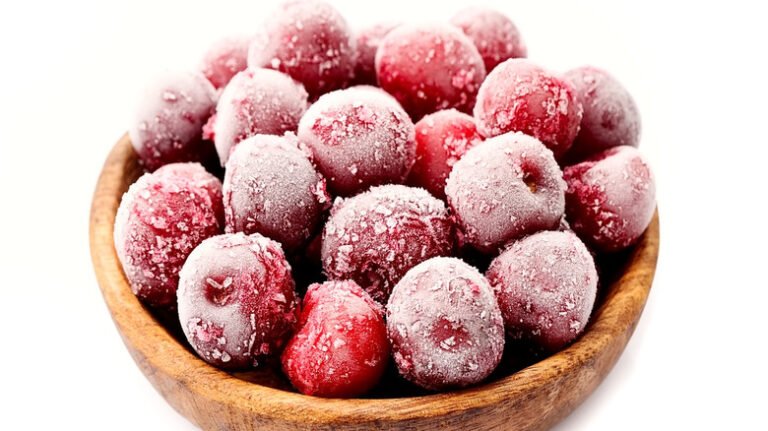
Can you pit frozen cherries with a pitter?
Not well when fully frozen. Frozen flesh is brittle and can shatter. Thaw slightly, then drain and chill.
The fruit should be cold but pliable. If it tears badly, cook and strain. Check carefully for pit fragments before each serving.