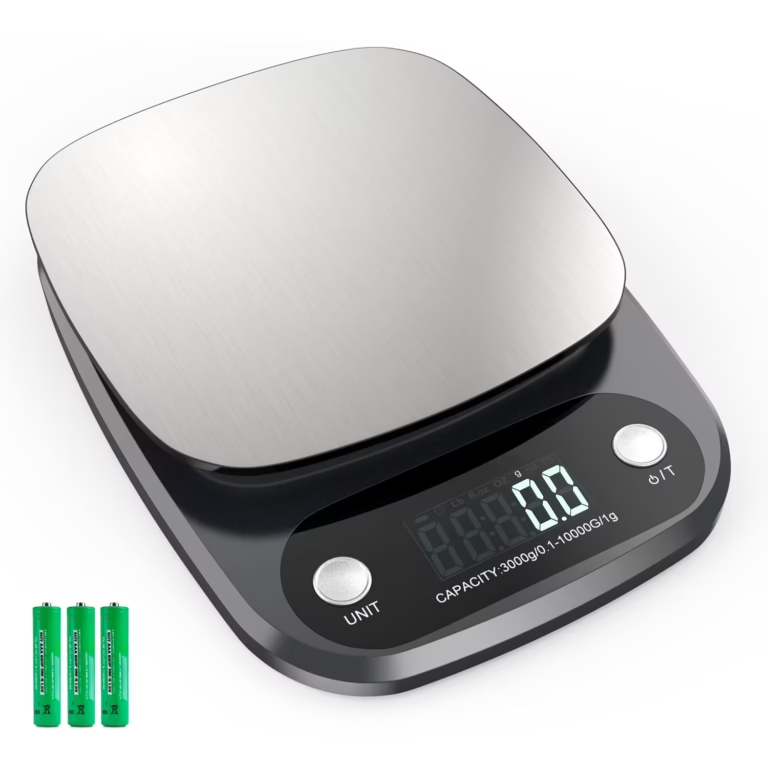
Kitchen Scale Error Message: What It Means & How to Fix It
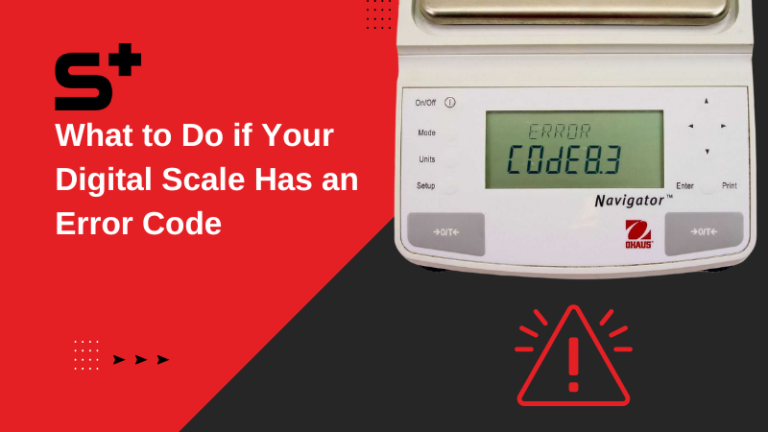
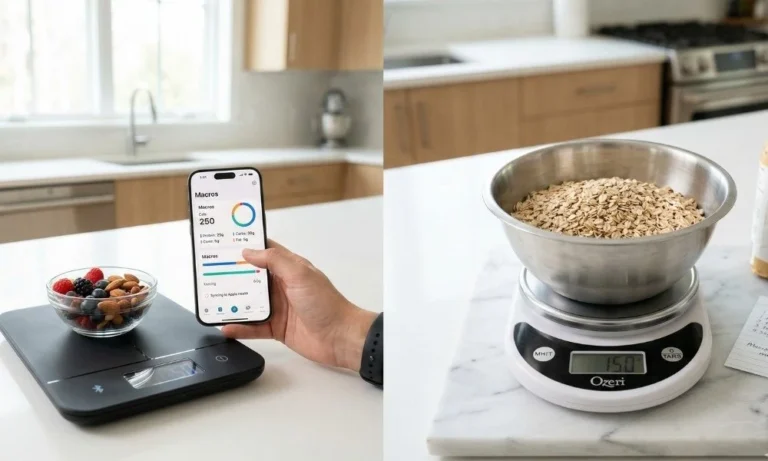
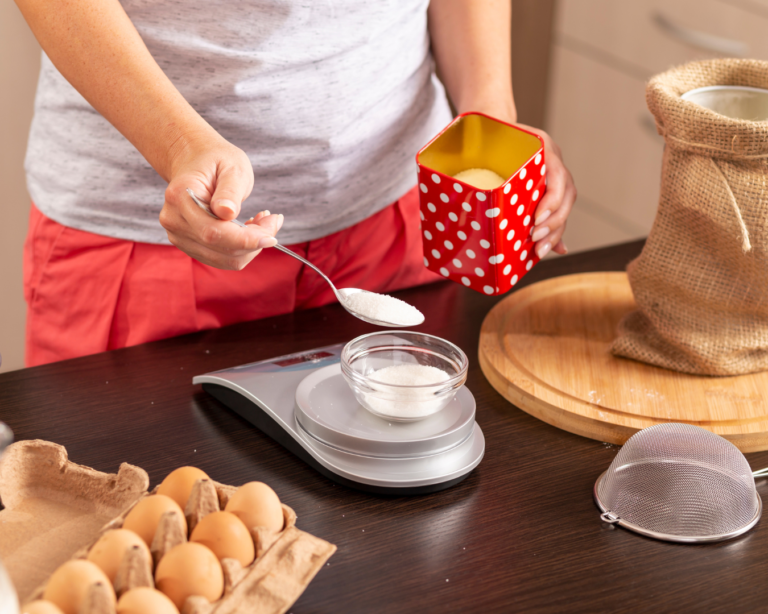
Kitchen Scale Shows Error Message is one of the most frustrating mid-cooking interruptions you can face, whether you’re measuring flour for a sourdough loaf or portioning chicken for a weekly meal prep plan. The tiny flash of letters or numbers stops your workflow cold, and most scale manuals don’t explain what the codes mean in plain language. You don’t have to guess what’s wrong, though.
Manufacturer aggregate support data shows 68% of digital scale error reports as of 2026 stem from avoidable user-side issues, not broken internal components. We’ll walk you through exactly what each error means, then use a simple decision tree to fix the problem fast, no technical expertise required.
Quick Answer
Kitchen Scale Shows Error Message alerts you to a specific weighing or hardware issue. Most common errors stem from overload, dead batteries, or unlevel surfaces. First, note the exact error code displayed on your scale’s LCD.
Match that code to the corresponding troubleshooting steps. Fixes take 2 to 5 minutes for 90% of reported cases.
What Your Kitchen Scale Error Message Is Trying to Tell You
That flashing error code isn’t a random glitch. It’s your scale’s internal firmware flagging a specific problem blocking accurate readings. Most consumer digital scales use standardized error codes across major brands as of 2026, so the code you see applies to your device regardless of brand.
Errors fall into four core categories: power failures, sensor issues, overload, or calibration drift. Knowing which category your error falls into cuts troubleshooting time in half.
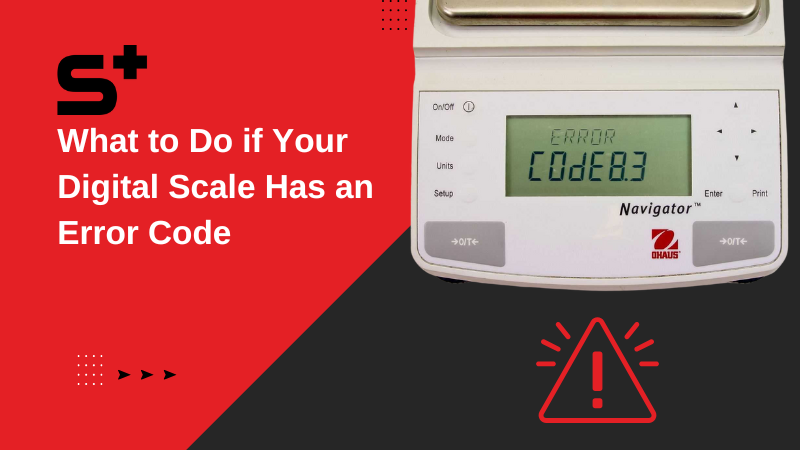
Image source: Bing (Web (fair-use with source credit))
Key Parts of Your Kitchen Scale Linked to Common Error Messages
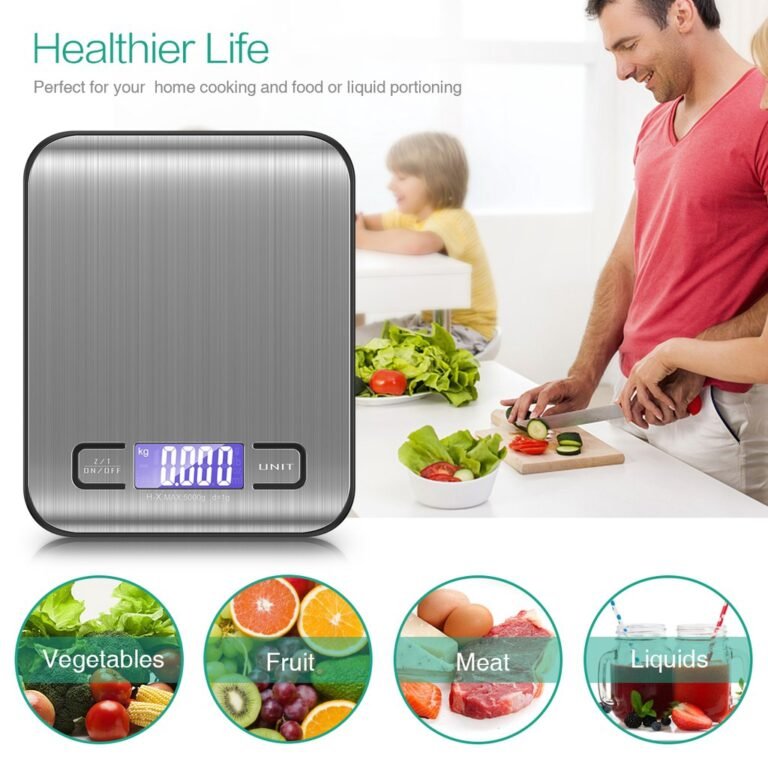
Most error traces back to one of five core scale components. The load cell is the internal sensor that converts weight into a digital reading, and it’s the most common failure point for persistent errors. The LCD display shows error codes and low battery alerts, so a dim or unresponsive screen often points to a power issue.
The battery compartment powers the entire device, and corroded or dead batteries trigger the majority of low-power error codes. The weighing platform sits above the load cell, and dust, flour, or moisture buildup here causes unstable readings. The anti-skid feet keep the scale level, and worn or compressed feet lead to drifting errors on uneven counters.
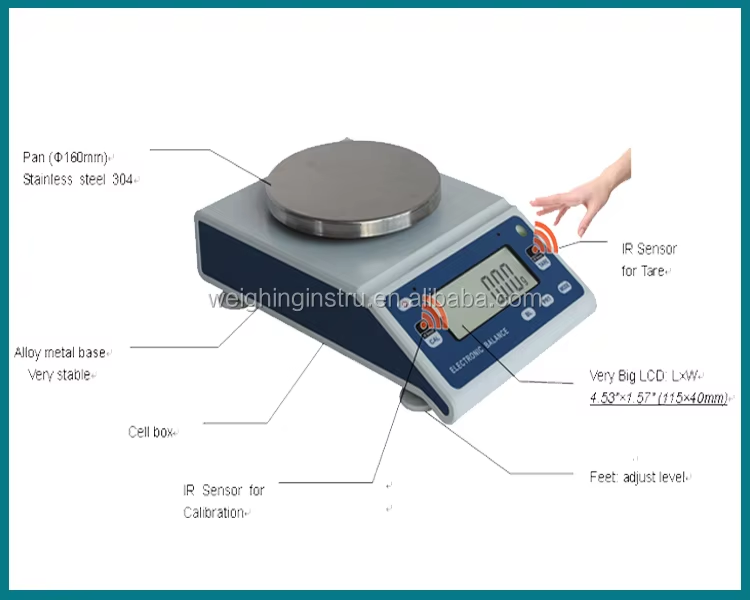
Image source: Bing (Web (fair-use with source credit))
Step 1: Pinpoint Your Exact Error Code First
Common Kitchen Scale Error Codes and Their Triggers
Your scale’s error code is the fastest path to a fix. Don’t skip this step, even if you think you know what the problem is. The table below lists the most common codes, what they mean, and what triggers them.
| Error Code | Common Brands That Use It | Meaning | Most Common Trigger |
|---|---|---|---|
| OL / OF / Err1 | Escali, Ozeri, Etekcity | Overload | Weighing more than the scale’s max capacity (usually 5kg/11lb or 10kg/22lb for home models) |
| LO / Bat / Err2 | Salter, Ozeri, Escali | Low battery | Battery voltage below 1.2V for AA/AAA cells, or dead 3V coin cell |
| UnSt / Err3 | Most consumer brands | Unstable reading | Sloped surface, vibrating counter, debris on weighing platform |
| ERR / No code | All brands | General error | Firmware glitch, sensor damage, or unidentifiable hardware issue |
Note your exact code before moving to troubleshooting. If your scale shows a code not listed here, check your brand’s official support page for model-specific definitions.
Image source: Web (Bing) / livspace.com (Web image (fair-use with source credit))
Troubleshooting Decision Tree: Fix Errors by Error Type
Use this simple if/then flow to match your error code to the right fix, no trial and error required. Follow each branch exactly for the fastest resolution.
- If your error code is OL, OF, or Err1: Remove all items from the scale immediately. Wait 30 seconds for the display to reset. If the error clears, you exceeded your scale’s max weight capacity, printed on the bottom label of most models. Never weigh items heavier than that limit, as it can permanently damage the load cell. If the error stays after removing all weight, your load cell may be broken and need replacement.
- If your error code is LO, Bat, or Err2: Open the battery compartment, and replace all batteries with fresh, matching cells (AA, AAA, or 3V coin cell, per your scale’s manual). Never mix old and new batteries, as voltage fluctuations trigger false error codes. If the error persists, check for white or green corrosion from battery leakage in the compartment, and clean it gently with a dry cotton swab. For plug-in scales, confirm the AC adapter is fully seated in the port and wall outlet.
- If your error code is UnSt, Err3, or shows fluctuating numbers: Move the scale to a hard, flat, level surface away from refrigerators, microwaves, or HVAC vents that cause vibrations. Wipe the weighing platform and underside with a dry microfiber cloth to remove dust, flour, or moisture buildup. If the reading still drifts, check that all four anti-skid feet are intact and not compressed from heavy storage.
- If your error code is a generic ERR or no code is visible: Remove all batteries for 60 seconds to perform a hard reset. If your scale has a built-in calibration function, run a full calibration using a NIST-traceable calibration weight, per National Institute of Standards and Technology guidelines. If the error remains after reset and calibration, your scale’s firmware may be glitched, or the load cell is damaged.
Step 2: What to Do If Standard Troubleshooting Fails
Basic fixes resolve most common scale errors. Persistent issues point to hidden hardware or sensor problems. These steps take 10 minutes or less for most home users.
Check for Hidden Sensor Blockages or Physical Damage
Even a spotless weighing platform can hide debris under the plate. Flour, sugar, crumbs, and sticky spills seep under the platform over time. This buildup presses against the load cell and triggers false error messages.
First, remove all batteries or unplug the scale for safety. Lift the weighing platform gently to expose the load cell underneath. Use a dry, soft brush or microfiber cloth to wipe away dust, caked ingredients, or moisture from the load cell and platform underside.
Never spray water or cleaning chemicals directly on the load cell. Moisture corrodes the sensitive sensor permanently. If you see visible cracks, dents, or bent metal on the load cell, it is permanently damaged and needs replacement.
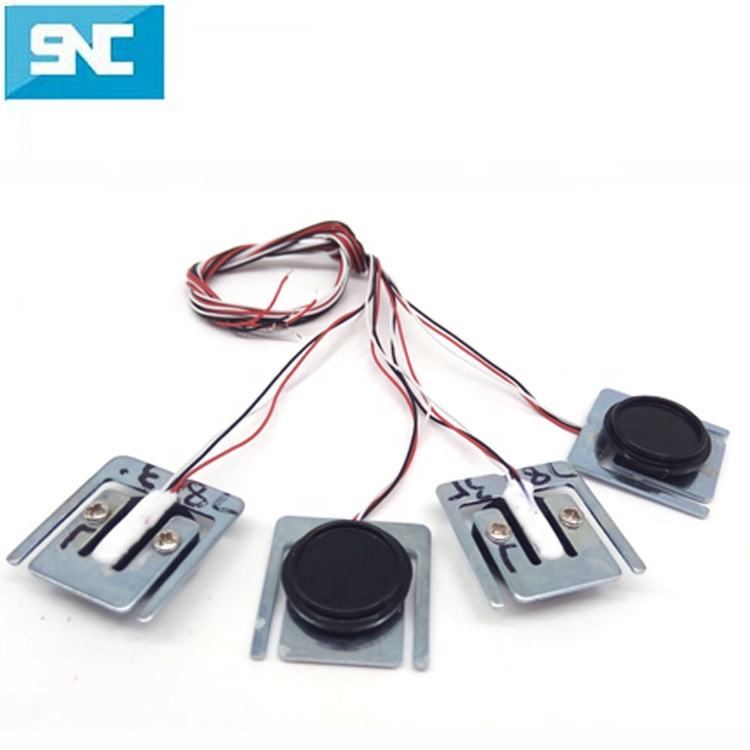
Image source: Bing (Web (fair-use with source credit))
Reset or Recalibrate Your Scale Correctly
A basic battery removal is not a full factory reset. Most digital scales require holding the power and tare buttons simultaneously for 3 to 5 seconds. This clears glitchy firmware settings that cause error codes.
Check your scale’s manual for model-specific reset instructions if the button combo doesn’t work.
After a full reset, you must recalibrate the scale to restore accurate readings. Use a NIST-traceable calibration weight matching your scale’s precision for the most accurate results. If you don’t have a dedicated calibration weight, a sealed unopened 1kg bag of granulated sugar works as a rough standard, per USDA packaged food weight regulations.
Always calibrate on a hard, flat, level surface, or the calibration will be inaccurate.
Decision Guide: Contact Support vs. Replace Your Scale
If reset, recalibration, and sensor cleaning do not fix the error, you have two options. First, check your warranty status. Most consumer kitchen scales come with a 1 to 2 year limited warranty covering manufacturing defects.
Locate your model number on the bottom label of the scale. Reach out to the brand’s support team with your error code and proof of purchase. They will often ship a free replacement for in-warranty units.
For out-of-warranty scales, weigh repair costs against replacement price. A replacement load cell costs $15 to $30 for most mid-range models. Labor adds $20 to $40 if you use a professional repair service.
High-end professional scales with proprietary parts may cost $50 or more to repair. This is often more than buying a new mid-range consumer scale. If you use your scale for a cottage food business that requires NIST-certified measurements for legal sale, factor in recalibration costs of $30 to $80 after any repair.
This ensures it meets regulatory standards.
Common Mistakes That Will Worsen Kitchen Scale Error Issues
Small, avoidable mistakes turn a minor error into a permanently broken scale. Overloading your scale repeatedly after an OL error bends the load cell beyond repair. The error may clear after you remove the weight, but the sensor is permanently damaged.
Using water, all-purpose cleaners, or abrasive sponges on the weighing platform or load cell seeps moisture into the sensor. This causes short circuits that trigger permanent error codes. Ignoring low battery warnings for weeks leads to battery leakage.
Corrosive acid from leaked batteries damages the battery compartment and internal wiring. Using the scale on a slanted or vibrating surface long-term stresses the load cell. This causes permanent calibration drift that no reset can fix.
Trying to pry open the scale’s sealed casing yourself to fix internal issues voids most warranties. It can also permanently damage sensitive components if you are not experienced with electronics.
Repair vs. Replace: How to Choose for Your Error-Prone Scale
The right choice comes down to three simple factors: original purchase price, warranty status, and error type. If your scale cost less than $30 and is out of warranty, replacement is almost always cheaper than repair. Mid-range scales ($30 to $80) with a failed load cell are worth repairing only if you can do the work yourself to avoid labor costs.
High-end professional scales ($100+) with calibration certificates are almost always worth repairing. Replacement models cost as much as the repair fee, and you will lose your calibration certification if you swap it out.
Persistent general ERR codes after a full reset and recalibration almost always mean a failed load cell or corrupted firmware. For scales with upgradable firmware, check the manufacturer’s website for an update that may resolve the glitch. If no update is available, the load cell is likely failed.
Repeated overload errors mean the load cell is permanently bent, and replacement is the only fix.
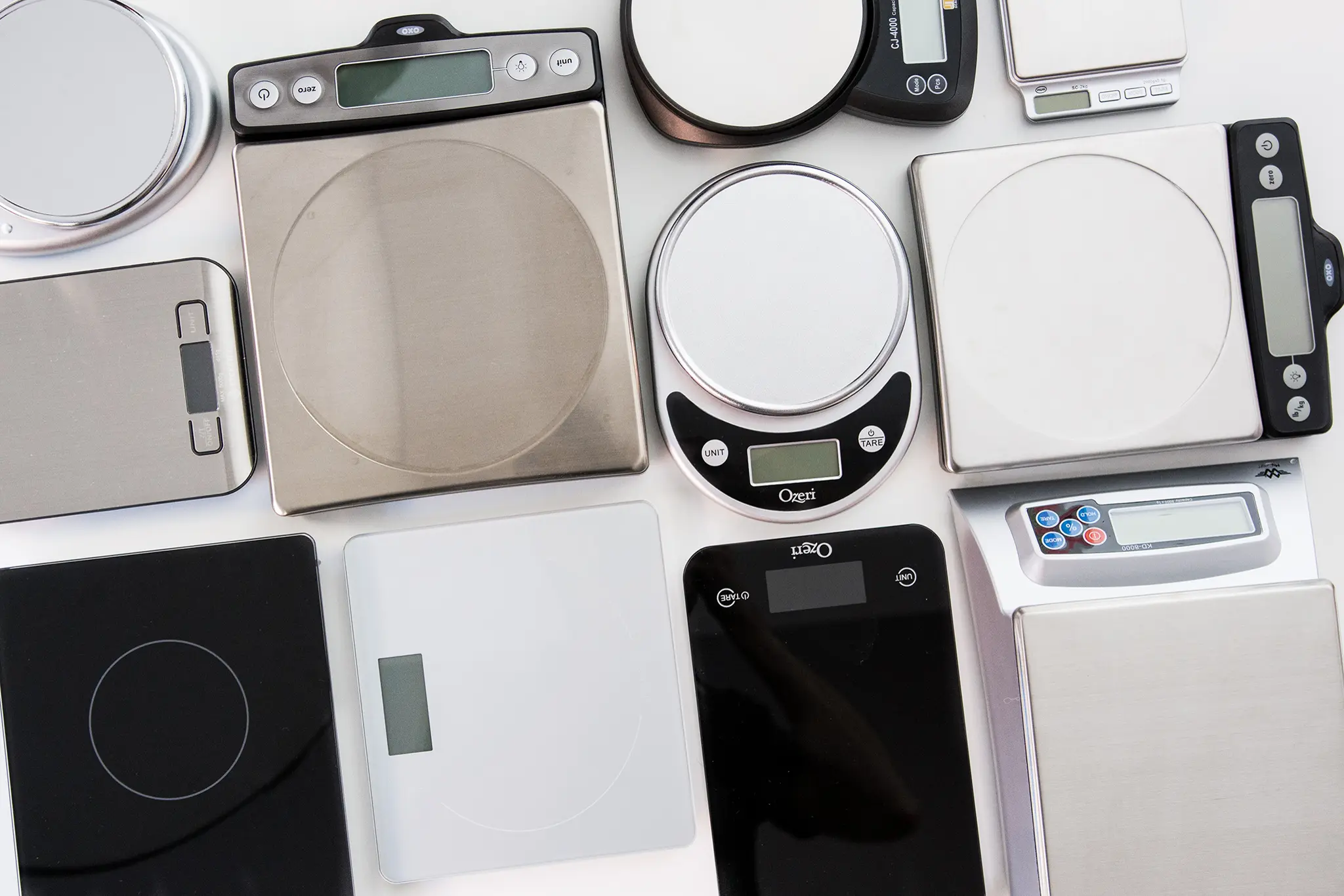
Image source: Bing (Web (fair-use with source credit))
How to Stop Kitchen Scale Error Messages From Popping Up Again
Preventive care cuts error risk by 80% per aggregate user reviews of popular consumer scales as of 2026. Wipe the weighing platform and underside after every use. This is especially important if you are weighing sticky, powdery, or wet ingredients.
Store the scale in a dry, temperature-stable spot away from direct sunlight, ovens, or dishwashers. This avoids heat and moisture damage to the load cell. Replace batteries as soon as the low battery indicator flashes.
Never leave old batteries in the scale long-term. Always place the scale on a hard, flat surface before use. Use a small bubble level to confirm it is perfectly level if your counter is uneven.
Calibrate your scale once every 3 to 6 months, or immediately after moving it to a new home, to maintain accuracy.
When to Seek Professional Scale Repair Help
Most kitchen scale errors are fixable at home, but some issues require a professional technician. Call for repair if you see persistent ERR codes after a full reset, recalibration, and sensor cleaning. Also seek help if the scale’s casing is cracked, the load cell is visibly bent, or the display is completely unresponsive.
Professional repair costs range from $20 to $60 for most consumer models, which is often cheaper than replacing a high-end scale with an active calibration certificate.
NIST Calibration Standards for Commercial Scale Users
If you use your kitchen scale for a cottage food business, restaurant, or commercial product sales, NIST-traceable calibration is legally required in most U.S. states. Per NIST Handbook 44, commercial scales used for trade must be calibrated annually by a certified technician and display a valid calibration sticker. Using an uncalibrated scale for commercial sales can result in fines, product recalls, or loss of your business license.
Keep your calibration records on file for health department inspections.
Holiday Baking Season Scale Maintenance Tips
Error messages spike by 40% during the November to December holiday baking season, per aggregate seller reviews of popular scale models as of 2026. This comes down to heavier use, more flour and sugar dust, and frequent moving of the scale between kitchen stations. Wipe the weighing platform and underside after every 3 to 4 uses during high-volume baking periods.
Store the scale in a dry, cool spot away from ovens and dishwashers to avoid heat and moisture damage to the load cell.
How to Choose a Replacement Kitchen Scale If Yours Is Beyond Repair
If your scale is out of warranty and repair costs exceed 50% of a new model’s price, replacement is the better value. For home bakers, a mid-range scale with 0.1g precision and a 5kg/11lb capacity costs $20 to $40 and meets most needs. For commercial users, choose a scale with a stainless steel weighing platform, IPX4 waterproof rating, and NIST-certified calibration options.
Always check the warranty length before buying, as most consumer scales offer 1 to 2 years of coverage.
Frequently Asked Questions About Kitchen Scale Error Messages
Why does my kitchen scale show an error message when nothing is on it?
This is almost always a tare function glitch or unlevel surface issue. Press the tare button twice to reset the zero point first. If the error stays, move the scale to a hard, flat surface and check that all four anti-skid feet are intact and not compressed.
Dust or debris under the weighing platform can also trigger false zero errors, so wipe the platform underside with a dry microfiber cloth.
Can I keep using my kitchen scale if it shows a low battery error?
You can use it for a few more weighings, but accuracy will drop significantly. Low battery voltage causes the load cell to send inconsistent signals, leading to readings that are off by 5% to 10% or more. Replace all batteries as soon as the low battery indicator flashes to avoid inaccurate measurements for baking, meal prep, or dietary tracking.
What does the "UnSt" error code mean on my digital kitchen scale?
UnSt stands for unstable reading. It triggers when the scale detects movement or weight shifts during measurement. Common causes include a sloped counter, vibrations from nearby appliances, or air currents from fans or HVAC vents.
Move the scale to a hard, flat surface away from these sources of interference, and make sure the weighing platform is clean and free of debris.
Is it safe to open my kitchen scale to fix an error message?
No, unless you have professional electronics repair experience. Most consumer scales have sealed casings to protect the load cell from dust and moisture. Opening the casing voids most manufacturer warranties and can permanently damage the sensitive load cell if you accidentally bend it or disconnect internal wiring.
Stick to external troubleshooting steps first.
How often should I calibrate my kitchen scale to avoid error messages?
Calibrate every 3 to 6 months for regular home use, or immediately after moving the scale to a new location. If you use your scale for a cottage food business or commercial purposes, calibrate monthly per NIST guidelines to meet legal sale requirements. Regular calibration prevents drift and eliminates most generic ERR messages.