How to Wash Sticky Silicone Air Fryer Pots Without Residue
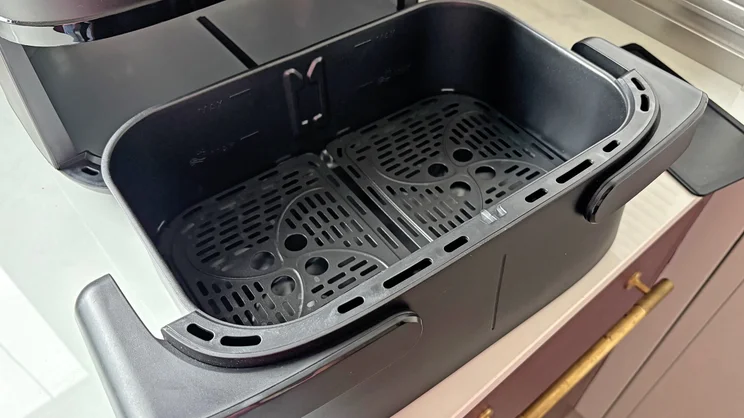
Dual-zone air fryers have changed how we prep weeknight meals, but figuring out how to wash sticky dual basket silicone pots without residue can test anyone's patience. Over time, high heat bakes micro-layers of fat directly into the material, creating a stubborn film that standard dish soap simply slides right past.
Manufacturer specifications indicate that platinum-grade silicone withstands temperatures up to 450°F, yet fats begin to polymerize and bond permanently at much lower cooking thresholds. Restoring that original non-stick surface requires breaking down the grease bonds rather than just scrubbing harder.
Quick Answer
Wash sticky silicone pots using hot water and baking soda. Soak the liners for thirty minutes in a sink basin. Scrub the greasy textured ribs gently with a soft sponge.
Rinse thoroughly with clean warm water until surfaces feel clean.

Why Dual Basket Silicone Pots Turn Sticky And Why Soap Isn't Enough
Silicone feels smooth out of the package, but its micro-porous structure expands when exposed to heat. During high-temperature cooking, aerosolized oils and rendered fats sink deep into these microscopic pores. As the air fryer cools, the fats harden and trap themselves inside the material matrix.
Dish soap is formulated to cut loose surface grease, but it cannot penetrate polymerized oils that have cross-linked with heat. Per U.S. Food and Drug Administration guidelines on food-contact materials, food-grade silicone remains safe to use, but trapped fats turn rancid if left untreated.
Aggregate reviews report that regular dishwashing liquid leaves behind a cloudy film because it lacks the abrasive or acidic properties needed to lift baked-on residues.
Decoding the Residue What That Tacky Film Actually Is
Not all sticky buildup in your air fryer basket is the same. Recognizing what kind of residue you are dealing with dictates how you should clean it.
Sticky films generally fall into two distinct categories that require different treatment strategies.
- Polymerized oils form a yellowish, amber varnish that feels tacky to the touch and resists standard dish soap completely.
- Starch residues leave behind a white, chalky powder after cooking foods like frozen french fries or sweet potatoes at high heat.
The Squeak Test Spot-Checking Your Silicone Liners Visually
Visual inspections often fail because grease blends seamlessly into matte silicone finishes. You have to rely on tactile feedback to confirm that your cleaning method worked.
Run your thumb across the textured bottom ribs and along the deep corners of the dual basket insert. If your finger drags or leaves a slight smudge, a microscopic oil film is still present. A properly cleaned silicone pot produces an audible squeak when you drag a clean finger across the damp surface.
Step-by-Step Degreasing Stripping Polymerized Oil Without Damaging the Material
Stripping baked-on oil requires an alkaline agent that breaks down cross-linked fat molecules without tearing the pliable silicone walls. Gather a basin of hot water, baking soda, and a non-abrasive sponge before you begin.

Fill your sink with steaming hot water and mix in half a cup of baking soda until it dissolves completely. Submerge both silicone baskets and let them soak for thirty minutes to soften the hardened grease bonds.
Scrub the interior creases and drainage channels using your non-abrasive sponge in circular motions. Rinse the pots thoroughly under running water, making sure no gritty baking soda residue remains trapped in the textured base.
When to Use Baking Soda Paste Versus a Vinegar Soak
Different residues demand different pantry staples to break them down effectively. Matching the cleaning agent to the specific type of gunk saves you time and elbow grease.
| Residue Type | Best Cleaning Agent | Soak Time | Why It Works |
|---|---|---|---|
| Baked-on grease | Baking soda paste | 15 minutes | Mild alkalinity breaks down polymerized fat bonds |
| White starch film | Distilled white vinegar | 20 minutes | Mild acid dissolves mineral and carbohydrate deposits |
| Trapped food odors | Baking soda and lemon | 30 minutes | Neutralizes volatile organic compounds in pores |
When dealing with stubborn, amber-colored grease spots that survive a standard soak, mix baking soda with a few drops of water to form a thick paste. Apply the paste directly to the tacky spots and let it sit for fifteen minutes before scrubbing. For lingering food odors like garlic or fish, submerge the pots in a half-water, half-vinegar solution to neutralize the trapped scent molecules safely.
Common Visual Mistakes That Leave Your Silicone Pots Cloudy
Cleaning silicone air fryer baskets incorrectly leaves behind stubborn white hazes and soapy films that mimic grease. One frequent mistake is letting dish soap dry directly onto warm silicone surfaces before you rinse them. Another error involves using hard tap water without drying the inserts immediately, which leaves behind mineral scale.
You can prevent these cloudy blemishes by following a few targeted rinsing habits.
- Rinse your pots in lukewarm water immediately after soaking to lift suspended loosened soils.
- Avoid using scented dish soaps containing heavy moisturizers that cling to hydrophobic silicone surfaces.
- Towel-dry your baskets with a lint-free microfiber cloth instead of letting them air dry in hard-water areas.
Protecting Your Investment Safe Tools and Harsh Cleaners to Avoid
Silicone pots handle high heat well, but they scratch and degrade when exposed to aggressive mechanical force or harsh chemical agents. Abrasive scouring pads and steel wool create micro-abrasions in the pliable surface. These tiny cuts trap food oils faster and make future cleaning twice as hard.
Per consumer safety and manufacturer guidelines, avoid using bleach, oven cleaners, or heavy-duty degreasers on items that contact food. These caustic chemicals break down the silicone polymer chains, causing the material to become permanently tacky and brittle. Stick to soft nylon scrub brushes, microfiber cloths, and mild dish soap for everyday maintenance.
Maintenance Secrets to Keep Dual Zone Liners Grease-Free Long-Term
Preventing grease buildup entirely is much easier than stripping polymerized oil after months of heavy use. Running your silicone pots through a preventive baking soda soak once a month keeps the micro-pores clear of deep-seated fats.
Allow your dual-basket liners to cool completely before washing them to prevent thermal shock from cold tap water hitting hot material. Store your clean pots in a well-ventilated cabinet rather than stacking them tightly inside your air fryer. Good airflow prevents lingering moisture and rancid fat odors from settling back into the material matrix.
Frequently Asked Questions
Can you put silicone air fryer pots in the dishwasher?
Yes, you can place silicone pots in the dishwasher, but the top rack works best to avoid direct contact with heating elements. Dishwasher detergents often fail to cut heavy polymerized grease, so you may still need to hand-scrub textured corners manually.
Why do my silicone pots still feel greasy after washing?
Standard dish soap only removes loose surface fats and leaves behind baked-on polymerized oils trapped inside the silicone pores. A thirty-minute baking soda soak is required to break down these cross-linked fat bonds and restore a truly clean surface.
How do you get strong food odors out of silicone liners?
Silicone absorbs volatile organic compounds from pungent foods like garlic, fish, and onions during high-heat cooking. Soak your pots in a half-water, half-vinegar solution mixed with fresh lemon slices for thirty minutes to neutralize those trapped scent molecules safely.
Is it safe to use baking soda on platinum silicone?
Baking soda is a mild alkaline abrasive that cleans food-grade silicone safely without damaging the material structure. Rinse the pots thoroughly with clean warm water after scrubbing to ensure no gritty baking soda residue remains behind.